
Movement is medicine
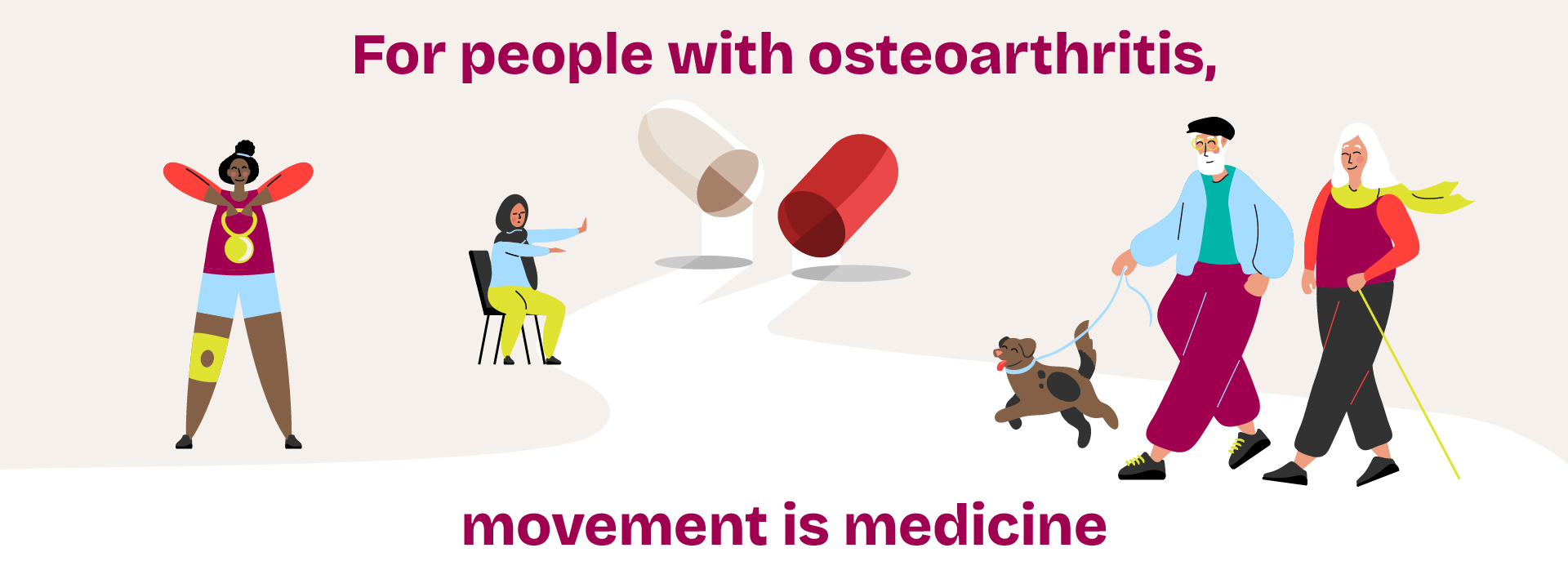
How moving more helps
Our researchers are pushing for life-changing breakthroughs in osteoarthritis. Until then, self-management can help to ease its symptoms. And while assistive devices, lifestyle adjustments and pain relievers all have their place, exercise is one of the most powerful tools we have.
This is because exercise doesn’t just reduce pain, stabilise joints and improve overall health. It also boosts mood, improves sleep and helps us stay independent for longer. Gets tips on how to increase your movement today.

Ask the doctor: Exercising with arthritis Q&As
Some people with arthritis are worried about exercising in case it could make their arthritis worse. Dr Benjamin Ellis, Consultant Rheumatologist and Senior Clinical Policy Advisor at Arthritis UK, answers your questions about exercising with arthritis.

The positive impact of exercise on your arthritis
Our researchers at the Arthritis UK Pain Centre have shown that certain types of exercise can be as effective in reducing pain for people with arthritis as taking painkillers like paracetamol or ibuprofen.
Exercises for healthy joints
For people of all ages, these seated and standing joint exercises are designed to help manage joint problems and ease pain. These simple but effective moves are easy to do at home and they can become part of your weekly routine.
Joint exercisesStrength training can feel like a big step when you have arthritis, but it can help build muscle, support your joints and make everyday movement easier. Find out what strength training is, how it can help, and how to do it safely if you are living with arthritis.
Strength trainingWalking and hiking are often recommended for people with arthritis because they are low-impact exercise that keep joints flexible, help bone health and reduce the risk of osteoporosis. You just need supportive footwear and you're good to go!
Walking with arthritisExercises for hand osteoarthritis
Hand and wrist exercises are especially important for people with hand osteoarthritis. Splinting and protecting your joints also help.
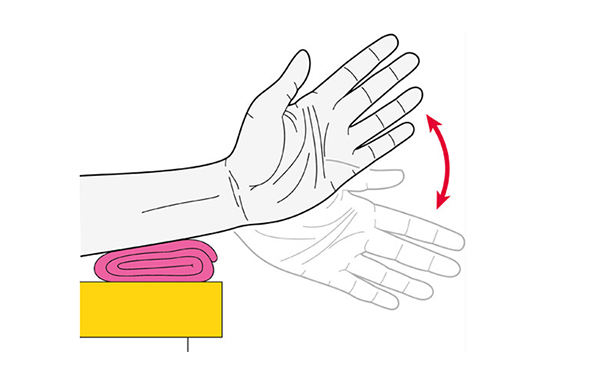
Hand and wrist exercises
Arthritis in your hands or wrists can make everyday tasks painful or even impossible. These exercises for the fingers, hands and wrists may help to ease your osteoarthritis pain.
Swimming, walking and physio exercises, keeping them moving, encouraging synovial fluid and releasing endorphins as natural pain killers, all help me, with some rest in between.
You don’t always need special equipment to exercise. You can start when you're out and about or at home, using apps, YouTube videos or DVDs.
Get started and move moreA free Arthritis UK 2-page A4 exercise sheet is available as a physical copy to order by post in our shop or as a digital download.
Order your free exercise sheetOrder from our range of free printed resources on the exercises for arthritis in our shop. Postage is free too. Also available to download as a PDF.
Order free exercise booklets
Join our free online physical activity sessions
Join our Introduction to Physical Activity session to explore barriers to increasing your activity levels.
You could also join our Chi Me gentle movement classes online. This gentle exercise is based on the principles of Tai Chi, with seated options available, making it perfect for all ages and abilities.
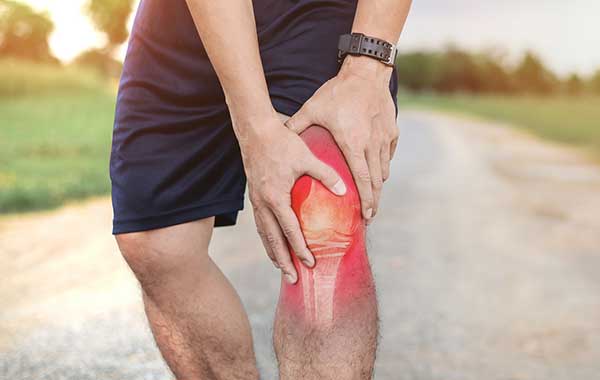
Understanding osteoarthritis: Your questions answered
Osteoarthritis is a common condition that affects the joints. It tends to occur in people over the age of 45 and develops when a joint can no longer repair itself as well as it once could. This leads to changes within the joint that can be painful.
Busting osteoarthritis myths
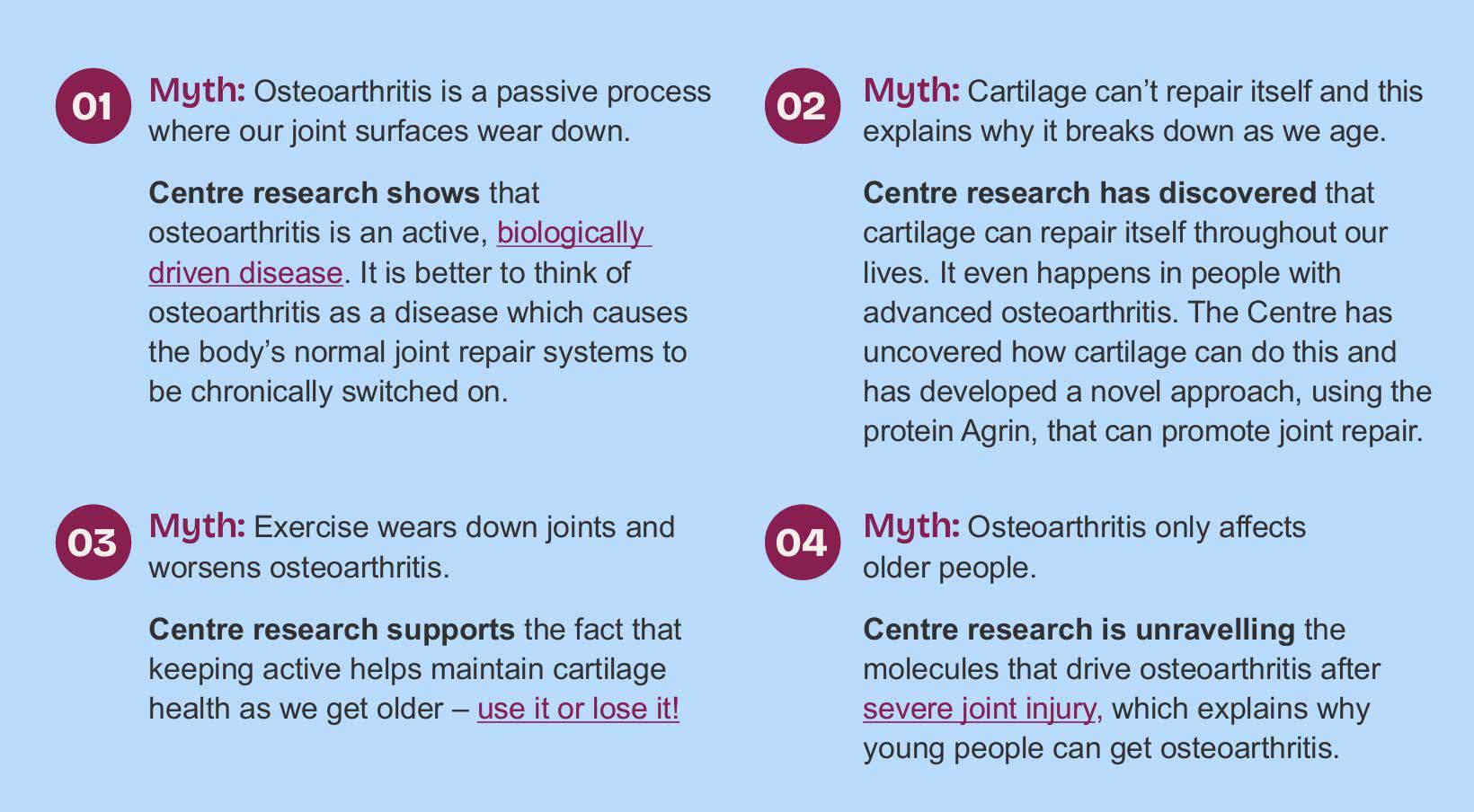
Myth 1: Osteoarthritis is a passive process where our joint surfaces wear down
Our research shows that osteoarthritis is an active, biologically driven disease. It is better to think of osteoarthritis as a disease which causes the body’s normal joint repair systems to be chronically switched on.
Myth 2: Cartilage can’t repair itself and this explains why it breaks down as we age
Our research has discovered that cartilage can repair itself throughout our lives. It even happens in people with advanced osteoarthritis. The Centre has uncovered how cartilage can do this and has developed a novel approach, using the protein Agrin, that can promote joint repair.
Myth 3: Exercise wears down joints and worsens osteoarthritis
Our research supports the fact that keeping active helps maintain cartilage health as we get older – use it or lose it.
Myth 4: Osteoarthritis only affects older people
Our research is unravelling the molecules that drive osteoarthritis after severe joint injury, which explains why young people can get osteoarthritis.
New knowledge
Since 2013, our researchers at the Centre for Osteoarthritis Pathogenesis have found several promising new discoveries that restore cartilage health while also easing osteoarthritis symptoms.
These are at different stages of development. They include:
- boosting retinoic acid, a derivative of vitamin A, to tackle injury-induced inflammation in cartilage
- managing hand osteoarthritis pain using hormone replacement therapy (HRT) and
- delivering repair molecules into cartilage using small package-like bubbles called extracellular vesicles.
Arthritis UK researchers now better understand:
- how key enzymes that break down cartilage are controlled
- inflammation in osteoarthritis is very different to that in rheumatoid arthritis. Our researchers have called this inflammation ‘mechanoflammation’ as it is activated directly by cartilage injury
- how cartilage responds to mechanical injury - and how it could be repaired
- key pain-driving molecules made by damaged cartilage - these could help develop treatments for osteoarthritis pain in the future.
We have invested over £125m into osteoarthritis research over the last 20 years, making us one of the largest global funders. Find out more about our osteoarthritis research and our key findings.
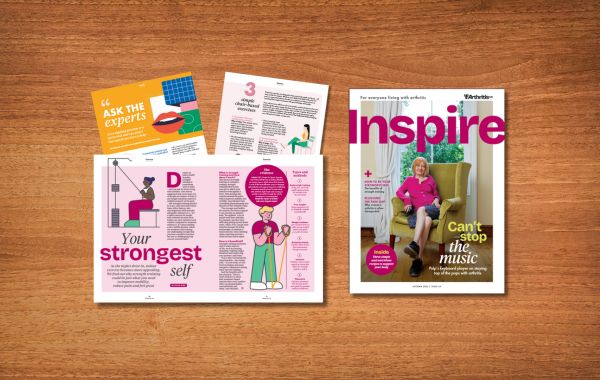
Find more inspiration in Inspire magazine for just £3 a month
Created specially for people living with arthritis, every edition of Inspire magazine is packed with expert, in-depth articles and features, covering healthy living, exercise and more — all for just £3 a month.

Find exercise tips and advice on our forum Arthritis Connect
One place you can always find a friendly ear or an answer to a question is our online community forum. Also available as an app for Apple and Android.