
Walking with arthritis

Walking can be a great way to stay active when you have arthritis. It can help keep your joints moving and improve your general health and wellbeing.
Walking isn't always easy when you're living with pain, stiffness or fatigue. But whether you walk for exercise, enjoyment or simply to get around, there are ways to make it more comfortable and manageable.
Key facts
|
How can walking help arthritis?
You might worry that exercise could make your arthritis worse. But staying active is one of the best things you can do for your joints and general health.
Walking is a low-impact activity, which means it generally puts less strain on your joints than activities such as running or jumping.
Regular walking can help:
maintain muscle strength and support your joints
improve your fitness and stamina
keep your heart healthy and support your mental health
help maintain bone strength
make everyday activities easier.
Walking can also be a chance to enjoy nature, spend time with other people or take a break from your daily routine.
And walking isn't always something we choose to do for exercise. It may simply be how we get to work, do the shopping or manage other everyday journeys. Whatever the reason for walking, the benefits can be much the same.
What happens to your body when you walk?
Walking doesn't just exercise the muscles and joints in your legs. It also gets your heart and lungs working harder.
With each step, you're moving your hips, knees and ankles. This helps circulate the synovial fluid that lubricates and nourishes the joints.
The muscles around your hips, knees and ankles also work to support your joints and keep you balanced. Regular walking can help maintain muscle strength and mass, making everyday movements such as climbing stairs or getting out of a chair easier.
Walking makes your heart beat faster and your breathing a little deeper, helping deliver more oxygen to your working muscles. As your fitness improves, you may find you can walk further or manage everyday activities without becoming as tired.
These benefits can be particularly important if arthritis has made you less active, although how much you can comfortably walk will depend on your symptoms and the joints affected.
How much should I walk if I have arthritis?
There's no single amount of walking that's right for everyone. It depends on your arthritis, general health, fitness and how you're feeling.
If you're new to walking, start with a distance or amount of time that feels manageable. This might mean just a few minutes at a time.
As you become more comfortable, you can gradually increase how far or how long you walk.
Pacing yourself
Pacing means breaking up activities and taking regular breaks, rather than doing too much at once. It can help you manage pain and tiredness, and keep up a level of activity that works for you.
This can be especially helpful if you have fibromyalgia, inflammatory arthritis or often feel very tired.
You may find it helpful to:
take several short walks rather than one long walk
walk at a comfortable pace
plan breaks before you become too tired or uncomfortable
spread activity throughout the day
adjust your walking routine when your symptoms are worse.
Try to avoid doing too much on days when you're feeling better, only to need a long period of rest afterwards.
Of course, you may not always have a choice about how much you walk. If walking is part of your job or you rely on it to get around, think about where you could take breaks or whether there are ways to make journeys easier.
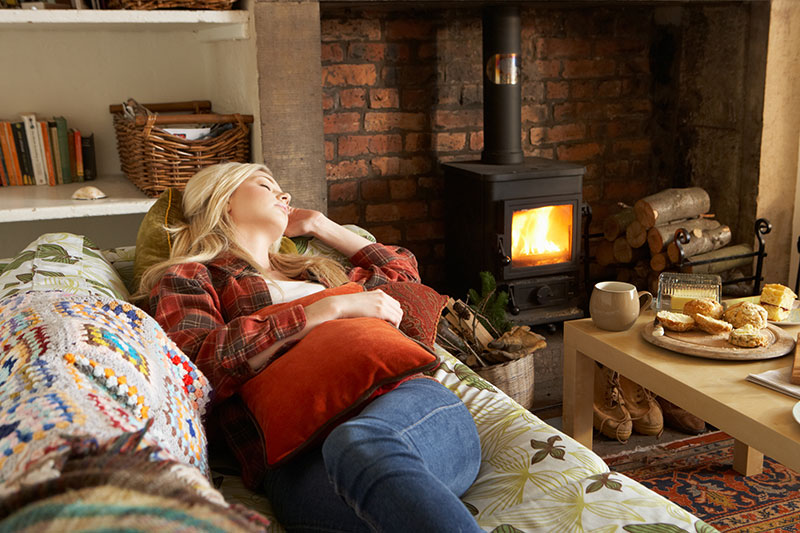
Managing fatigue
It’s common for arthritis to cause fatigue. Find out what fatigue is, what causes fatigue and how you can manage it.

Join our free online physical activity sessions
Join our Introduction to Physical Activity session to explore barriers to increasing your activity levels. We'll help you identify simple ways to incorporate more activity into your daily life.
You could also join our Chi Me gentle movement classes online. This gentle exercise is based on the principles of Tai Chi, with seated options available, making it perfect for all ages and abilities.
Do I need to walk 10,000 steps a day?
No. There's no recommended step count specifically for people with arthritis, and you don't need to reach 10,000 steps a day to benefit.
UK health guidelines recommend that adults aim for at least 150 minutes of moderate-intensity activity a week, such as brisk walking, which makes you breathe a little faster. That's around 30 minutes on 5 days of the week, but you can spread the activity across the week in a way that works for you.
You don't have to start there. Even a few minutes of walking can be useful if you're not very active at the moment.
Some people find tracking their steps motivating. Others prefer to set goals based on what they want to achieve, such as walking to the shops more comfortably or spending more time outdoors.
The NHS has more advice on walking for health.
Can walking make my arthritis worse?
Walking is generally safe and beneficial for people with arthritis, but you may need to adjust your activity depending on your symptoms.
You might notice some muscle soreness when you start exercising or become more active. Feeling some discomfort doesn't always mean you're harming your joints.
But you shouldn't feel that you need to push through significant or worsening pain.
If walking causes more pain than usual, try reducing the distance or pace, taking more breaks or choosing an easier route.
If you develop new or worsening pain, swelling or difficulty walking, speak to your doctor or healthcare professional.
Walking during a flare-up
During an arthritis flare-up, you may need to reduce how much you walk, particularly if your joints are painful or swollen.
Gentle movement can help prevent stiffness, but it's important to balance activity with rest.
You could try shorter, gentler walks if these feel manageable. As your symptoms improve, you can gradually return to your usual level of activity.

Managing arthritis flare ups
If you have inflammatory arthritis, you may go through periods when your symptoms suddenly become worse than usual. These are known as flare-ups, sometimes shortened to flares. Flare-ups can make your joints more swollen, warm, painful or stiff. They can also cause tiredness or make you feel unwell.
How can I make walking easier with arthritis?
How easy you find walking can depend on the type of arthritis you have, which joints are affected and your other symptoms.
Knee and hip arthritis
If you have arthritis in your knees or hips, hills, stairs and longer walks may be particularly uncomfortable. Walking downhill can also be difficult, especially if you have knee pain. Some people may find that varying their walking routes or terrain makes walking more comfortable.
Flatter routes, shorter distances and regular breaks may help. Exercises to strengthen the muscles around your knees and hips can also make walking easier.
Foot and ankle arthritis
Pain or stiffness in your feet and ankles can affect how you walk and how far you can comfortably go.
Well-fitting, supportive shoes with enough room for your toes can make a difference. A podiatrist can advise you about footwear, insoles and other ways to manage foot problems.
Back pain
If you have lower back pain, you may find some walking distances, positions or surfaces more comfortable than others. Using a walking aid (stick, wheeled walker) may allow you to walk further by taking some strain from the lower back.
If walking brings on tingling, numbness or weakness in your legs, speak to a healthcare professional for advice.
Get emergency medical help if you develop new problems controlling your bladder or bowels, or numbness around your genitals or bottom.
Choosing a suitable route
Think about the surfaces, distance and facilities along your route.
Uneven pavements, cobbles and rocky paths can be difficult to walk on, particularly if you have problems with balance or joint pain. Flatter, more even routes may be easier.
It can also help to choose places with benches or other opportunities to rest.
In wet or icy weather, wear footwear with good grip and take extra care on slippery surfaces. If it's unsafe outside, consider walking indoors or another form of activity.
Walking aids and poles
Walking sticks, crutches and other walking aids can help some people manage pain, improve balance and feel more confident when walking.
Walking poles may provide additional support, especially on uneven ground.
A physiotherapist or occupational therapist can help you choose suitable equipment and show you how to use it correctly.

Footcare and footwear
Having a good footcare routine and supportive footwear can provide comfort for your feet which is important if you have arthritis.
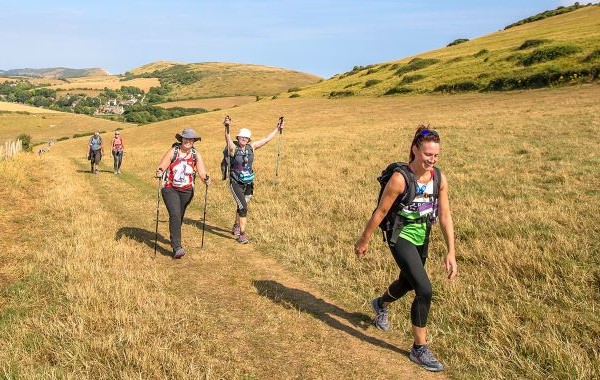
Take part in a sponsored walk for Arthritis UK
From gentle riverside rambles to conquering mountain peaks, our walkers and trekkers are proving that extraordinary things happen one step at a time. Join us and walk to help fund arthritis research.
Making walking part of your life
Walking might mean getting out with a friend, walking the dog, visiting a local park or joining a walking group.
You can find walking groups through Ramblers in England, Wales and Scotland, or Walk NI in Northern Ireland.
Having something to work towards can help keep you motivated. Your goal might be walking further with less discomfort, spending more time outdoors or taking part in an organised walk.
Some people may eventually want to try jogging or running. If your symptoms are well managed, you can build towards these activities gradually.
If you have severe pain, limited mobility or other health conditions, you may prefer swimming, cycling, water-based exercise or seated exercises. Because walking doesn't take your joints through their full range of movement, you may also find it helpful to combine it with other exercises that maintain flexibility and joint movement.
The important thing is finding ways to stay active that work for you.
Further information
-
Exercising with arthritis
Find exercises to help improve joint movement and strength, along with advice on staying active with arthritis.
-
Let's Move with Leon
Try gentle exercises that can be adapted to different abilities, including seated options.
-
Keep moving booklet
Find out more about the benefits of exercise, how to get started and how to stay motivated.
-
Looking after your joints
Practical advice on protecting your joints and making everyday activities easier.
Sources
Last review: October 2026
Next review: October 2029
Reviewed by Ross Clifford and Rebekah Daniel
|