
Osteoarthritis
Osteoarthritis
Osteoarthritis is a common condition that affects the joints. It tends to occur in people over the age of 45 and most often develops in the hips, knees, spine, hand joints and big toes.
Key facts
|
What is osteoarthritis?
Osteoarthritis (OA) occurs when a joint can no longer repair itself as well as it once could. This leads to changes within the joint that can be painful.
In a healthy joint, a coating of tough, slippery tissue covers the bones and helps them to move smoothly against each other where they meet.
When there is osteoarthritis in a joint, some of this tissue gets thinner and the surface becomes less smooth. This can lead to:
- bony growths, which can restrict movement or rub against other tissues
- swelling
- tissues around the joint stretching so the joint becomes less stable.
Joints can sometimes still work well even though the structure is altered. Almost all of us will have some changes in our joints as we get older, but we may not be aware of them.
Sometimes, though, these changes can mean the joint becomes stiff and swollen. If the tissue becomes too thin, your bones may rub against each other, which can be very painful.
A healthy joint
In a healthy joint, a coating of tough but smooth and slippery tissue, called cartilage, covers the surface of the bones and helps the bones to move freely against each other.
A joint affected by osteoarthritis
When a joint develops osteoarthritis, part of the cartilage thins and the surface becomes rougher. This means the joint doesn’t move as smoothly as it should.
What is osteoarthritis?
You can also watch this video with other language subtitles:
| Waa maxay cudurada xanuunka kala-goysyada? | Somali subtitles |
| ઓસ્ટિઓઆર્થરાઈટિસ (Osteoarthritis) એ શું છે? | Gujarati subtitles |
| முடக்கு வாதம் என்றால் என்ன? | Tamil subtitles |
| اوسٹیو ارتھرائٹس کیا ہے؟ | Urdu subtitles |
| Beth yw osteoarthritis? | Welsh subtitles |
What are the symptoms of osteoarthritis?
The main symptoms of osteoarthritis are pain and stiffness in certain joints. Most people find their symptoms vary from day to day. They often improve with the right treatment.
- The affected joint may sometimes be swollen.
- The joint may not move as freely or as far as it used to.
- It may make grating or cracking sounds as you move it. (This is called crepitus and it can also occur in healthy joints.)
- The joint may give way because your muscles have weakened or because the joint itself has become less stable.
Which joints might be affected?
Osteoarthritis can occur in any joint, but often it affects the knees, hips, hands, spine and big toes.
- The knee is most commonly affected. Often, osteoarthritis develops in both knees.
- Osteoarthritis of the hip is also very common. That’s because the hip joint gives a wide range of movement, as well as bearing a lot of your weight.
- Osteoarthritis in the hands mainly affects women and often starts around the time of the menopause.
- Osteoarthritis in your spine is referred to as spondylosis.
- In the foot, osteoarthritis most often affects the big toe joint, but it is also quite common in the mid-foot.
When should I call the doctor?
You should speak to your GP, physiotherapist or advanced practice nurse if you have joint pain, stiffness or swelling, especially if your symptoms:
- are interfering with your daily routine
- are not being caused by anything obvious you have done
- are combined with other symptoms, such as feeling unwell.
What causes osteoarthritis?
A number of factors can lead to someone developing osteoarthritis. Anyone can get it, but you’re more likely to develop it if you’re female and aged 45 or over.
You may also be more likely to get it if:
- Your joints are a slightly unusual shape. This can affect the way the joint moves and can lead to osteoarthritis.
- Certain rarer forms of the condition run in your family.
- You damaged a joint in the past and it did not heal properly.
- You have other joint disease, such as gout.
- You are overweight.
- You have ever had a repetitive or physical job.
How will I be diagnosed?
A GP is likely to be able to diagnose osteoarthritis based on what you tell them about your symptoms, your medical history and what they observe when they examine your joints.
You will not normally need further tests, or to be referred to a specialist, unless there is some doubt about what could be causing your symptoms.
Your GP will want to know:
- whether you have any pain, swelling or stiffness
- how and when your symptoms first started
- what makes the pain feel better or worse
- how your symptoms have changed over time
- whether your pain is having an impact on your daily life.
Your doctor will then examine you. They’ll check for:
- tenderness over the joint
- creaking or grating of the joint
- bony swelling
- excess fluid
- stiffness or restricted movement
- joint instability
- weakness or thinning of the muscles that support the joint.
If they diagnose you with osteoarthritis, your GP will talk to you about treatments and how you can live well with your condition.
Managing your osteoarthritis
There is no cure yet, but lifestyle changes, medications, therapies and (rarely) surgery can help you manage your osteoarthritis symptoms.
Key takeaways:
- Keeping to a healthy weight can reduce pain.
- Regular exercise can help with your symptoms.
- There are aids and supports that might help you.
- Your GP can refer you to a specialist who can help you adjust to life with osteoarthritis.
- Do not be tempted to do too much on a good day. Pace yourself.
- Some people find hot or cold therapy, or a TENS machine, helps with pain relief.
- Pain medicines that you can buy yourself are often very effective for osteoarthritis pain.
Keeping healthy and active
While resting painful joints may make them feel better at first, too much rest can increase stiffness and weaken the muscles. Exercise can protect your joints by making the muscles that support them stronger.
If pain makes it hard to get started, you could try taking paracetamol beforehand. And if you feel you’ve overdone things, try applying warmth to the painful joint. Or if it’s swollen, an ice pack may help.
Being physically active, alongside eating a healthy balanced diet, can help you reach and maintain a healthy weight.
If you’re overweight, losing even a small amount can improve your symptoms. It will reduce the load on joints such as the hips and knees – and can also reduce pain caused by inflammation.
Splints and other supports
You can buy splints and braces to wear occasionally to support painful joints. These can be helpful if osteoarthritis has affected the alignment of a joint.
Choosing comfy, supportive footwear can help your feet as well as the knees, hips and spine. The ideal shoe would have a thick but soft sole, soft uppers, and plenty of room for the toes and the ball of the foot. You might also find orthotics helpful.
If your leg sometimes gives way, a stick may help you feel less afraid of falling. When held in the opposite hand to the affected joint, it can also reduce pressure on a painful knee or hip.
Health professionals who can help you
If you’re not sure which aids might help, ask your GP to refer you for further support.
- An occupational therapist (OT) can advise on how you can adapt your home or workplace to better manage your condition.
- A physiotherapist can help you to get started with exercise or show you how to use physical aids and supports.
- If you have problems with your feet, you can ask a podiatrist for advice. They may suggest an insole that helps to partly shift the load to parts of your foot that are not affected by osteoarthritis.
Managing your pain
As well as medications, there are things you can try to reduce your pain.
- It can be tempting to take on too much on days when you have less pain, which can lead to worse pain afterwards. Learning to pace yourself can help.
- Try warming a painful joint with a hot water bottle wrapped in a tea towel, or a microwave wheat bag. You may prefer to apply an ice pack to reduce swelling and discomfort, but limit it to 30 minutes every couple of hours.
- Keeping the same posture for long periods can place your joints under more strain than usual. Moving or changing positions regularly can help.
- TENS machines send electrical pulses to your nerve endings through pads placed on your skin. You can buy one from a pharmacy or online.
- Some people try supplements or complementary treatments to help manage their symptoms, although there is little evidence that many of these treatments help with osteoarthritis. Check with your doctor or pharmacist before taking supplements, as they can cause side-effects or interact with other medicines.
Exercises for healthy joints
If you have problems affecting your knee or knees or if you have knee pain, you might find these knee exercises helpful.
Knee exercisesThese hip exercises are helpful for problems affecting the hips and hip pain if you are living with arthritis or joint pain.
Hip exercisesIf you're experiencing back pain, you may find these back exercises helpful. Start slowly and build up gradually if you're new to exercise.
Back exercisesMedications for pain relief
Certain medicines can help to ease symptoms of pain and stiffness.
You can buy most of these drugs for osteoarthritis from supermarkets or the chemist. But some do need to be prescribed for you by a doctor.
- Non-steroidal anti-inflammatory drugs (NSAIDs) come as creams, gels and patches. They work well but can cause gut side-effects, so may need to be taken with a type of drug that protects your tummy.
- Capsaicin cream may help relieve osteoarthritis pain. It’s available both on prescription and in lower-strength preparations that can be bought over the counter.
- Paracetamol is not that effective for osteoarthritis, but some people find taking it before exercise helps them to do more.
- Co-codamol is good for pain relief, but it tends to cause side-effects, so it is not recommended for long-term use.
- You may be offered steroid injections for pain that is very bad or suddenly becomes severe.
- Hyaluronic acid injections can sometimes be used to treat osteoarthritis of the knee. They are not available on the NHS because the evidence for their long-term effectiveness is mixed.
To find out more about these medications – and others – you can go to drugs A-Z.
|
Most people with osteoarthritis do not need surgery. But if your symptoms are having a big impact on your quality of life, then your doctor may discuss it with you. Surgery is usually only considered once you’ve tried other treatments. |
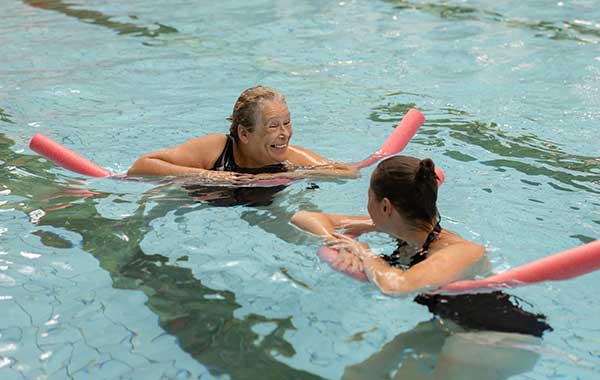
What is the best pain relief for osteoarthritis?
Osteoarthritis pain is likely to affect 1 or 2 joints. Your pain may come and go. It can be mild or severe. Most people with osteoarthritis find that a combination of arthritis treatments work best for their pain. Explore the options.
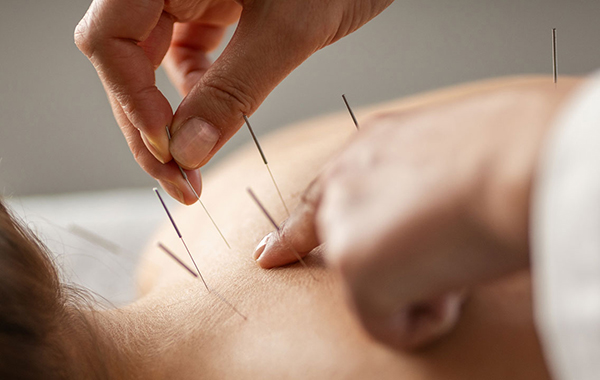
Alternative ways to help manage arthritis pain
Some people use complementary and alternative medicine if they have persistent pain, they have concerns about the side-effects of medication or their symptoms aren’t fully controlled by conventional medicine. Find out about the different types of complementary treatments available.

Join our free Living Well Programme
The Living Well Programme is here to support you in managing the challenges of living with arthritis, helping you discover practical ways to cope, connect with others who understand, and make lasting changes to improve your wellbeing.
Tips for living well with osteoarthritis
Self-management is a term that’s used to describe how you can live well with a long-term condition. It’s all about taking a rounded approach to your health.
It involves aspects of self-care, working with healthcare professionals and making small changes to how you live, so you can better manage your symptoms.
Good self-management with osteoarthritis could include:
- pacing yourself, to better manage your pain and fatigue
- thinking about how you can adapt activities you used to enjoy, rather than giving up on things that matter to you
- being open with your healthcare team about any problems you’re having, which means they’ll be able to provide the right support
- finding out as much as you can about your arthritis, so you feel better about the future
- exercising to build strength, get flexible and boost your mood
- talking about how you’re feeling, either with someone close to you or to others with arthritis.

"I find that if I don’t do anything, it starts to hurt more, because everything starts to stiffen."

You can trust our health information
Our information is PIF TICK certified. This means that it’s trusted, evidence-based and accessible.
Last review: July 2026
Next review: July 2029