
Osteoarthritis of the knee
Osteoarthritis of the knee
Key facts
|
What is osteoarthritis of the knee?
Osteoarthritis is the most common form of arthritis, and the knee is one of the most commonly affected joints. It affects over 5 million people in the UK. It can affect anyone at any age, but it’s more common in women over 50.
Osteoarthritis in the knee develops when the joint’s ability to repair itself becomes less effective. This can lead to changes in the cartilage, bone and other tissues in the joint, which can make the knee painful and stiff.
- A joint is a part of the body where two or more bones meet. In your knee, it’s the thigh and shin bones. There is also a small bone at the front of the knee called the patella or kneecap.
- The ends of the thigh and shin bones are covered in a smooth and slippery surface, known as cartilage. This allows the bones to move smoothly against each other.
- Your knee also has two rings of a different type of cartilage known as menisci, which help to spread weight evenly across your knee joint, and there’s also cartilage underneath your kneecap.
In osteoarthritis, the cartilage thins and the surfaces of the joint may become rougher. In addition, bony spurs called osteophytes may form which alter the shape of the bones within the joint.
These changes can make the joint move less smoothly than it should, and it might feel painful and stiff.
What causes osteoarthritis of the knee?
There’s no single cause of osteoarthritis but there are several factors that can play a part and these will vary from one person to another.
These factors include:
- being overweight
- the genes we inherit from our parents
- previous injuries to the joint
- having other conditions that affect the joints, such as rheumatoid arthritis or gout.
A healthy joint
In a healthy joint, a coating of tough but smooth and slippery tissue, called cartilage, covers the surface of the bones and helps the bones to move freely against each other.
A joint affected by osteoarthritis
When a joint develops osteoarthritis, part of the cartilage thins and the surface becomes rougher. This means the joint doesn’t move as smoothly as it should.
What are the symptoms?
Symptoms of osteoarthritis can be different from person to person. But the most common osteoarthritis knee include:
- pain – either all around your knee or in a certain place
- stiffness or problems moving the knee
- creaking, grating or crunching sounds when moving the knee
- weakness in the leg
- feeling the knee give way when you put weight on it.
Symptoms can develop quite rapidly, but more often it’s a slow process that happens over many years. It may affect one knee, especially if you’ve injured it in the past, or you may have symptoms in both.
Changes to the joint don’t always continue and some people find that symptoms improve over time. The level of change within the joint doesn’t always match the level of pain people have.
Sometimes your knee might look swollen. This can be caused by two things:
- Hard swelling – caused by bony spurs or osteophytes
- Soft swelling – when the joint becomes inflamed and produces extra fluid, sometimes called an effusion or water on the knee.
The effects of osteoarthritis can make people feel depressed or anxious, and it can affect relationships and sleep. If you have any problems like this, mention them to your doctor as there are things they can do to help.
When are symptoms worst?
In most people, symptoms will vary from day to day. You’ll probably find that you have good days and bad days.
The pain may feel worse at the end of the day, or when you move your knee, and it may improve when you rest. You might have some stiffness in the morning, but this won’t usually last more than half an hour.
It might feel worse when you move your knee in a certain way, such as going up or down stairs or getting up from a chair.
Sometimes, people have pain that wakes them up in the night.
Are there any complications?
In some cases, osteoarthritis can cause complications. These can include:
- the knee joint changing shape – the loss of cartilage, wearing of bones and the bony spurs can cause the bones to come out of their normal position, which can make your knee feel unstable and painful
- a Baker’s or popliteal cyst – a lump caused by part of the joint bulging through a small tear in the joint capsule, causing a build-up of fluid.
- changes in posture or how you walk – this can affect your other joints, such as your hips or back.
Managing osteoarthritis of the knee
There’s no cure for osteoarthritis, but there are treatments and things you can do for yourself that can make a big difference to your symptoms and how the condition affects you.
Keeping active
Joints need to be moved regularly to keep them healthy. It’s very important to keep moving if you have osteoarthritis of the knee.
Whatever your fitness level, exercise helps the knee to be able to cope with normal daily activities again. Keeping active can improve your symptoms and pain by:
- strengthening the muscles around your knee
- improving your posture
- helping you lose weight if needed.
You’ll need to find the right balance between rest and exercise. Too much activity can sometimes increase pain while too little can make the joints stiffen up.
Keeping up your exercises is important, even when your symptoms improve, to prevent them coming back again. A physiotherapist can advise you on the best exercises to do, but you’ll need to build them into your daily routine to get the most benefit from them.
Some good gentle exercise options for knee osteoarthritis include:
- swimming and water-based exercises (hydrotherapy) – the water takes weight off your body and reduces strain on the knee but also provides some resistance to help strengthen your muscles.
- walking – helps to keep your bones strong.
There are also specific types of exercise that have been shown to help improve the symptoms of osteoarthritis of the knee.
Weight management
Being overweight increases the risk of developing osteoarthritis and of it progressing. In fact, weight issues are linked to symptoms in nearly 1 in 4 people with knee pain. It is also likely to make the symptoms worse.
Losing even a fairly small amount of weight can make a big difference to your pain and other symptoms.
There’s no special diet that will help with osteoarthritis, but if you need to lose some weight you should follow a balanced, reduced-calorie diet combined with regular exercise. Your doctor or healthcare team should be able to give you advice on diets and exercise that will help.
Reducing the strain on your knees
Apart from keeping an eye on your weight, there are a number of other ways you can reduce the strain on your knees.
- Pace your activities – break the harder jobs up into chunks and do something gentler in between. Keep using your knee even if it’s slightly uncomfortable but rest it before it becomes too painful.
- Choose the right shoes - wear shoes with thick soles which have enough room for your toes. This will reduce the shock through your knees as you walk and prevent any changes to your feet.
- Use a walking stick – it can reduce pain and improve quality of life. An occupational therapist or physiotherapist can advise on the correct length and the best way to use the stick.
- Use a handrail for support when going up or down stairs. Go upstairs one at a time with your good leg first.
- Think about making changes to your home, car or workplace to reduce unnecessary strain. An occupational therapist can help you find any special equipment that will make things you do every day easier.
- If you need extra support for your feet or knees when you walk, speak to your physiotherapist, occupational therapist or doctor about getting insoles made for your shoes.
- Some people find that knee supports or braces help. You can buy them from sports shops and chemists, but you might want to ask your doctor or physiotherapist if they can recommend the best one for you.
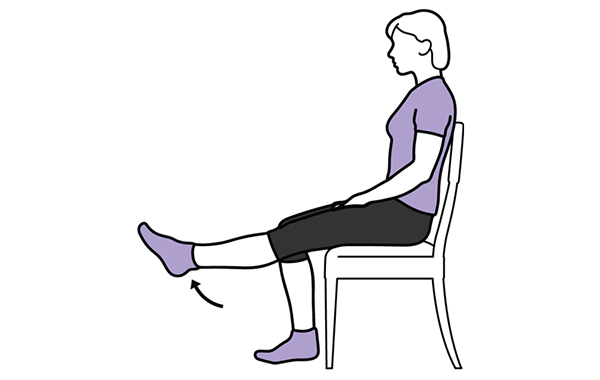
Exercises for the knees
If you have osteoarthritis in one or both knees, problems affecting your knee or knees or if you have knee pain, you might find these knee exercises helpful.
Drug treatments for knee osteoarthritis
Medicines are unlikely to take the pain away completely. They are best used, alongside self-help measures to help ease pain and stiffness so that you can keep active.
Some of the medicines and treatments you can try include:
- Non-steroidal anti-inflammatory drugs (NSAIDs): A short course of NSAIDs can help reduce any pain, inflammation and swelling in your knee. Ibuprofen is widely available over the counter, but your doctor can prescribe stronger NSAIDs if needed. NSAID creams and gels are also available and you might want to try these first if you have trouble taking tablets.
- Painkillers: Simple over-the-counter painkillers such as paracetamol may help. These aren’t usually prescribed on the NHS but are widely available to buy over the counter. There’s no advantage in paying more for known brands. Your doctor may prescribe you stronger painkillers if needed, but these are normally only prescribed for short-term use because of a higher risk of side effects.
- Capsaicin cream: Capsaicin is a pain-relieving cream made from the pepper plant, which some people find helpful. It’s available on prescription, but there have sometimes been shortages.
- Steroid injections: An injection directly into the knee joint can help reduce swelling and pain. Steroid injections can only be repeated a few times in each joint as there’s evidence that the benefit may last for a shorter time after each injection.
If you’re taking any of the medications mentioned above, make sure you’re taking them as directed by a pharmacist or according to the instructions in the leaflet included with the drug.
Make sure whoever is treating you knows all the medications you’re taking.
Other pain relief
If the methods of pain relief above don’t help you, you might want to try some of the following:
- Electronic pain relief (TENS): TENS works by producing mild electric currents to the skin, which blocks or reduces pain signals to the brain.
- Hyaluronic acid injections: Hyaluronan injections contain hyaluronic acid, which occurs naturally in the body and helps to lubricate joints. These injections aren’t generally available on the NHS, but you may be able to get them as part of a clinical trial or privately.
- Complementary treatments and supplements: Some people with osteoarthritis find supplements like glucosamine and chondroitin helpful. But you should talk to your doctor before you start taking any supplement, as there isn’t a lot of research to show that these are helpful and they may interact with some prescribed drugs.
- Heat or cold packs: Using a heat pack often helps to relieve the pain and stiffness of osteoarthritis. An ice pack may help to reduce any swelling. Be careful not to put ice or heat packs or hot water bottles directly on your skin – wrap them with a tea towel or cover.
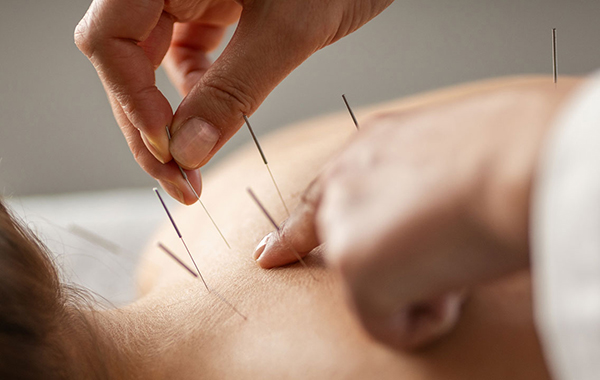
Alternative ways to help manage arthritis pain
Some people use complementary and alternative medicine if they have persistent pain, they have concerns about the side-effects of medication or their symptoms aren’t fully controlled by conventional medicine. Find out about the different types of complementary treatments available.

Join our free Living Well Programme
The Living Well Programme is here to support you in managing the challenges of living with arthritis, helping you discover practical ways to cope, connect with others who understand, and make lasting changes to improve your wellbeing.
Surgery for osteoarthritis in knee
Surgery is only needed in a small number of cases. Exercise, treatments and keeping to a healthy weight usually improve the symptoms and quality of life in most people with osteoarthritis of the knee. Only about 1 in 10 people with knee osteoarthritis go on to have a knee replacement.
However, if other treatments haven’t worked for you, you may benefit from having surgery on your knee. Surgery might be suggested if your pain is very severe or if you have problems getting around or moving your knee.
If you are considering surgery, you should discuss with your healthcare team what you can expect to gain from it and what the possible risks are taking into account your general health and lifestyle.
Some surgery options include:
- Knee replacement: The most common type of surgery for arthritis where either some or all the joint is replaced.
- Arthroscopic knee surgery: A type of keyhole surgery using a tiny camera which allows the surgeon to see and repair the knee joint. They can remove damaged cartilage, repair tears to strips of tissues connecting the bones (ligaments) and wash out any damaged bits of tissue.
The most common type of surgery for knee osteoarthritis is knee replacement. This is where either some or all the joint is replaced.
Surgical techniques are improving all the time and research has shown that up to 8 in 10 knee replacements could last as long as 25 years. However, as with all surgery, there are some risks. Your surgeon will discuss with you the risks and benefits of your procedure and help you decide what is right for you.
Sometimes keyhole surgery techniques can be used to wash out loose fragments of bone and other tissue from your knee. This is called arthroscopic lavage or debridement. It’s not usually available for knee osteoarthritis unless there are clear ‘mechanical’ problems such as the knee ‘locking’.
How to manage low mood and sleep problems
You might find that osteoarthritis of the knee makes you feel depressed or anxious. Speak to your doctor if you’re feeling low as they may be able to recommend psychological therapies to help you, such as cognitive behavioural therapy (CBT) and stress-relieving techniques.
If your sleep is disturbed because of osteoarthritis of the knee, this could make your pain feel worse. However, there are things you can do for yourself that might help, such as:
- Keep a sleep diary to work out if there are any patterns to your sleep problems.
- Sleep at regular times to get your body into a routine.
- Avoid phones and other screens in the bedroom to help you wind down before bed.
If you’re still having problems, speak to your doctor or a health professional who can give you other tips and techniques to try, known as sleep hygiene.

How to sleep better
It’s hard to overstate the importance of a good night’s sleep, especially if you have arthritis. But we know that when you're dealing with pain, sleeping well isn't always easy. Here are ways in which you can better manage arthritis pain at night, fall asleep faster and sleep more soundly.
Frequently asked questionsQ. Can you cure knee osteoarthritis? Q. How is knee osteoarthritis diagnosed? Q. What are the stages of osteoarthritis of the knee? Q. Which exercise is the best for knee osteoarthritis? There are also specific knee exercises you can do to help improve your joint mobility. You should start doing them gradually and slowly build up how much you can do. Q. Is walking good for knee osteoarthritis? |
Sources |
Related information
-
Exercises for the knees
Learn eight simple knee exercises which are designed to help you with any problems and ease knee pain.
-
Managing arthritis pain
Pain can be a major symptom of arthritis. Find out about treatments, self-help and how to assess if your pain management is working.
-
Osteoarthritis of the knee booklet
Download our Osteoarthritis of the knee information booklet as a PDF.

You can trust our health information
Our information is PIF TICK certified. This means that it’s trusted, evidence-based and accessible.
Last review: July 2026
Next review: July 2029