

Research we fund
Arthritis UK funds world-class, cutting-edge research projects that are led by dedicated researchers. Learn about the exciting projects that are live now.
How we invest research funding
We fund life-changing research that helps adults, young people and children with arthritis live well today, while charting a path towards the cures of tomorrow. Today, we’re the world’s largest dedicated funder of arthritis research, aiming to have around £100m invested at any one time.
We support world leading research at institutions across the UK, from laboratory-based research to clinical studies and projects affecting health services and self-management of arthritis. We involve people with arthritis at every stage of the funding process, from application to award, so that their experiences define which research paths we follow.
Our research strategy
Our research investment and activities are guided by our Research Strategy with input from researchers, healthcare professionals, and people with lived experience. Our research strategy is a roadmap for delivering change in musculoskeletal research. It was developed by staff, researchers and volunteers, involved people and people with lived experience.
It focuses on four areas we ultimately want to achieve change in with and for people with arthritis:
- Early detection
- Targeted treatments
- Living well and
- People and partnerships.
Each year, we proudly invest in the future of arthritis research by supporting talented early-career researchers through initiatives such as our Career Development Fellowships.
Our research funding brings together the best researchers to tackle the most important questions for people with arthritis through initiatives like our Centres of Excellence, the Advanced Pain Discovery Platform, and our Research Consortia.
We fund research projects that aim to spot the signs of arthritis early, identify new targeted treatments and address health inequalities for people with arthritis.

Arthritis UK research centres of excellence
Arthritis UK research centres of excellence bring together leading scientists, clinicians, engineers and healthcare professionals from universities, hospitals and research institutions across the UK to tackle some of the biggest challenges in arthritis and musculoskeletal health.
In the spotlight: Career Development Fellows
Dr George Goodwin at King’s College London is studying which sensory nerves contribute to arthritis pain. A particular type of nerve, known as ‘silent nociceptors,’ may play a key role.
"The ultimate goal of my research is to identify which sensory nerve fibre types contribute to arthritis pain."
Health data scientist at the University of Edinburgh, Dr Athina Spiliopoulou is studying how genetic factors and biomarkers contribute to disease risk, disease progression and other clinical outcomes.
"Much of my work is on developing methods and tools for making predictions about health outcomes..."
Dr Steven Zhao is a rheumatologist at the University of Manchester with a passion for using research to improve diagnosis and care for people with inflammatory arthritis, particularly spondyloarthritis.
"My fellowship is focused on developing tests to help diagnose spondyloarthritis earlier."
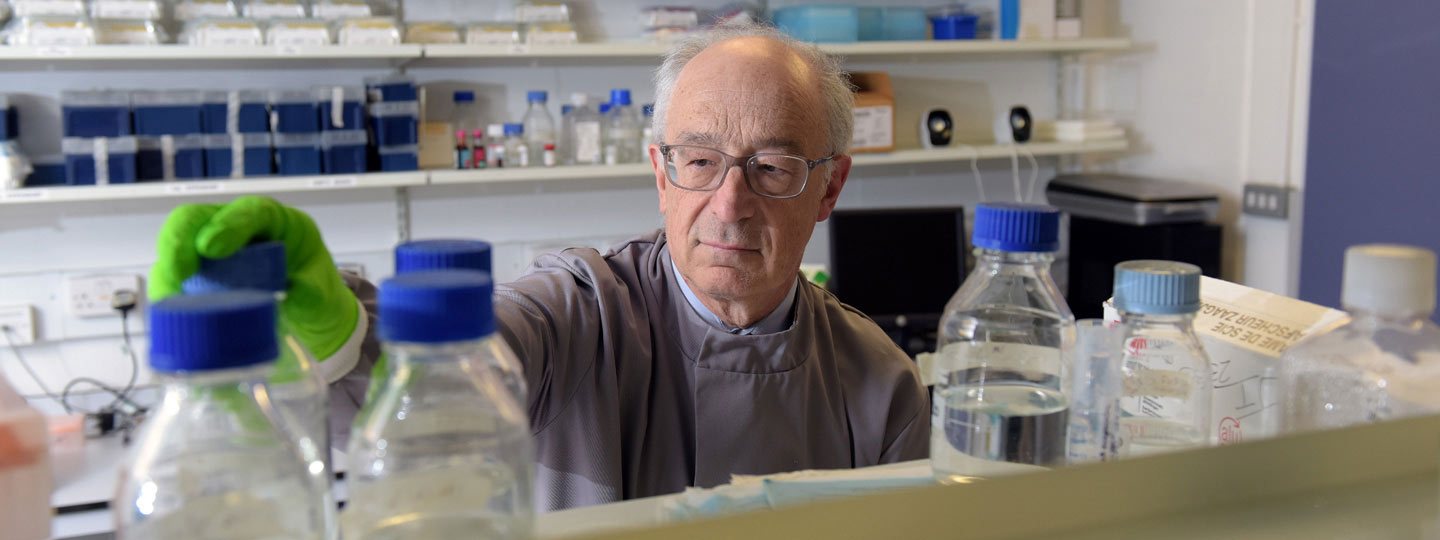
New discovery studies to help diagnose and treat arthritis
We're delighted to announce the funding of new discovery research projects that aim to help us more effectively diagnose and treat arthritis. Discovery research helps us understand the underlying science behind arthritis conditions. A quick and accurate diagnosis is essential for people with arthritis - and so are personalised treatments that tackle arthritis before it does too much damage to the joints or other parts of the body.
Research highlight of the year: Study to understand the biology of osteoarthritis

We’re searching for a cure, will you join us?
Your donations help us fund projects in the most promising areas of arthritis research. Will you donate today and help us keep pushing for a cure?

Take part in our research
Research discovers new things and solves problems by searching for the answers to important questions we don’t know the answers to yet.
Find out how you can help to shape the questions we ask, and how we answer them, or how you can take part in the research itself near where you live.