
Osteoarthritis research
The impact of our investment in osteoarthritis research
- Our research has formed the bedrock of the global push toward personalised osteoarthritis treatments
- We have invested over £125m into osteoarthritis research over the last 20 years, making us one of the largest global funders.
How our research is improving the lives of people with osteoarthritis
Osteoarthritis affects hundreds of millions of people all around the world, with 10 million people alone affected in the UK. For a long time, the condition was thought to be caused by the ‘wear and tear’ of daily joint use. But today, we know that the picture is much more complex, occurring when joints are no longer able to repair themselves. This results in pain and stiffness which can severely limit a person’s ability to live the life they want.
But osteoarthritis doesn’t just affect a person’s joints. In fact, people with osteoarthritis are three times more likely to have a heart attack. What’s more, one in five people with osteoarthritis live with anxiety and depression. And while we’ve improved our understanding of how to treat osteoarthritis, we’re still unable to cure it. Making further research vital.
Over 20,000 people have taken part in ESCAPE-pain, a six-week programme of educations, exercise and self-management, shown to improve quality of life for people with arthritis and save the NHS money.
ESCAPE-Pain programmeResearch funded by Arthritis UK led to the development of a treatment to repair damaged cartilage in early-stage osteoarthritis called Autologous Chondrocyte Implantation (ACI), which is now available on the NHS.
Find out more about ACITeam science at the Centre for Sport, Exercise and Osteoarthritis aims to understand the interplay between sports, exercise and osteoarthritis and uncover the link between sports injuries and osteoarthritis risk.
Visit the centre
We’re searching for a cure, will you join us?
Your donations help us fund projects in the most promising areas of arthritis research. Will you donate today and help us keep pushing for a cure?

Exploring the genetics of osteoarthritis
How our research is helping us better understand osteoarthrits
Researchers from the arcoGEN consortium have been involved in the largest-ever study on osteoarthritis using genetic data from nearly two million people. They found over 950 genetic links to osteoarthritis, uncovering 8 different underlying disease processes.
Research highlight of the year: The arcoGEN consortium study of genetics and osteoarthritis
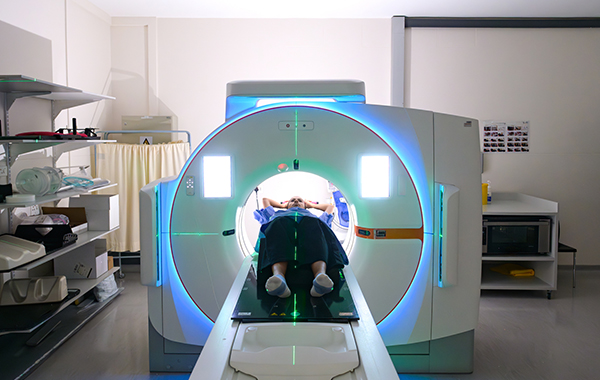
Field-Cycling Imaging (FCI): Spotting the signs of osteoarthritis earlier
A new imaging technique called Field-Cycling Imaging (FCI) offers hope for earlier detection and improved monitoring of osteoarthritis, potentially transforming how we understand and treat this condition.
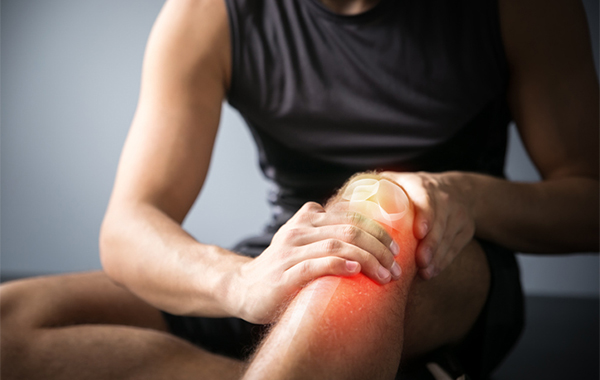
Why does osteoarthritis affect people differently?
Our £3m SOLVE consortium study is investigating different types of osteoarthritis aiming to find answers as to why osteoarthritis affects people differently and how life events play a part.
How our research is helping pave the way for new treatments
Research at the Tissues Engineering and Regenerative Therapies Centre aims to regenerate bone and cartilage by using the patients’ own stem cells to repair joint damage caused by osteoarthritis.
Engineering to repair jointsNew research has found that retinoic acid could play a key anti-inflammatory role in hand osteoarthritis. In the future, this could help us discover more life-changing drugs that tackle pain, stiffness and disability.
Treating hand osteoarthritisThe results of a clinical trial funded by Arthritis UK show methotrexate, a medication used for autoimmune conditions, to be effective in relieving both the pain and stiffness caused by knee osteoarthritis.
Treating osteoarthritis pain
Take part in arthritis research
People like you with lived experience of arthritis are key to bringing real life perspectives to shape arthritis research. When you get involved, you'll work to ensure that the research we fund and support is of the highest quality and based on the needs of people with arthritis.
How our research is helping people manage their symptoms

Peer mentorship helps support people living with osteoarthritis
A team from the University of Leeds have developed a remote support programme to help people with osteoarthritis facing barriers linked to factors such as education, income or housing. Over six remote sessions, a trained volunteer gives guided support to someone else with the same condition, a process known as ‘peer mentoring’.
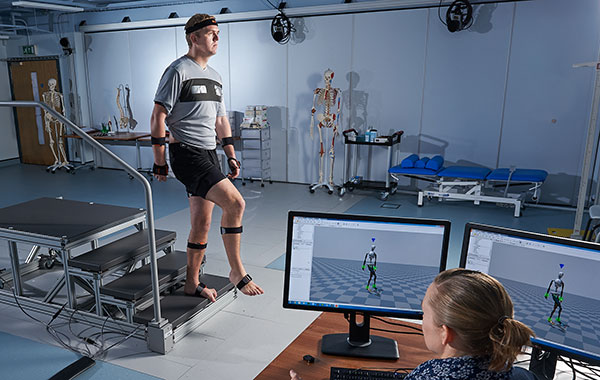
Does the way we walk affect our joint health?
For many years, we’ve known that mechanical loading and inflammation contribute to osteoarthritis but the biological processes that link these factors were unknown. The impact of joint injury and joint surgery on our biomechanics and biology, and subtleties in gait or alignment that could contribute to long-term disease, was also unclear. Until now.

The positive impact of exercise on arthritis: What our research tells us
Researchers at the Arthritis UK Pain Centre have demonstrated that not only are certain types of exercise safe for people with arthritis, but they can also be as effective in reducing pain as taking painkillers. One reason is because exercise can reduce something called 'central sensitisation', a process that can make our bodies more responsive to pain.