
Tissue Engineering and Regenerative Therapies Centre
Team science to renew joints with osteoarthritis through research
Arthritis UK established the Tissue Engineering and Regenerative Therapies Centre in 2011 with £4.6 million of infrastructure funding. The Universities of Newcastle, Aberdeen, York and Keele teamed up with the Robert Jones and Agnes Hunt Orthopaedic Hospital when the Centre first launched. Now it also spans world-class facilities across the Universities of Cambridge, Birmingham and Edinburgh. The Centre was created to build capacity, address unanswered scientific questions, seek additional funding, embed patient and public involvement and build networks.
This Centre was research active from 2011 till 2023, over two terms of funding from Arthritis UK. Now, the Centre is in its ‘Impact’ phase until 2028. During this time, they are focussing on securing future funding and pushing their research to the next level, closer to patients, rather than setting up new studies. Read our Impact Report to find out about this Centre’s research to date.
Tissue Engineering and Regenerative Therapies Centre Impact Report
What is tissue engineering and regenerative therapy?
They are two, very important areas of research for discovering new ways to treat arthritis. Tissue engineering is an area of science focussed on healing the body by growing new cells, tissues or organs, to replace ones that are damaged or missing. Regenerative therapies, on the other hands, explores treatments that grow or build tissues to replace or repair damaged or missing tissues in the body.
Why is this Centre’s research important to people with arthritis?
Before we opened our Tissue Engineering and Regenerative Therapies Centre, it wasn’t understood where the condition started or which parts of our joints, damaged by osteoarthritis, show potential for repair in the early stages. Early-stage osteoarthritis therapies were focussed on managing symptoms like pain rather than treating the condition itself. This meant there was a need to bring osteoarthritis specialists together, combining their expertise and ideas to engineer new therapies that could tackle the condition. Research at this Centre brings the potential to regenerate our joints through cell power and engineer new ways to restore our joints.
Meet some of the Centre members
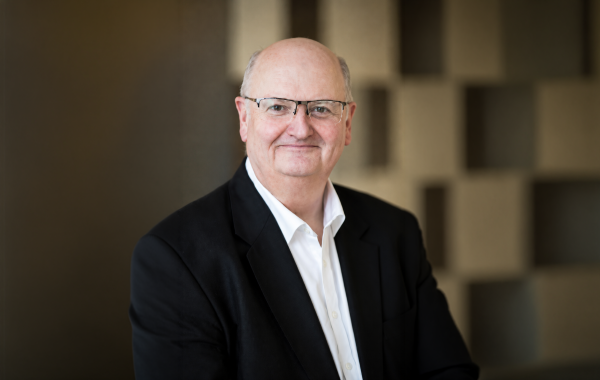
Professor Andrew McCaskie (Centre Director)
“When it comes to treatment, we often imagine a completely worn and destroyed joint, which causes significant pain and limited function. For this type of end-stage disease, we have developed an excellent treatment in the form of joint replacement, with hip replacement described in the 1990s as the ‘operation of the century’. But what about earlier stages of disease in younger people? This question inspired the creation of the Arthritis UK Tissue Engineering and Regenerative Therapies Centre in 2011, bringing together a group of researchers from different disciplines and locations across the UK.”
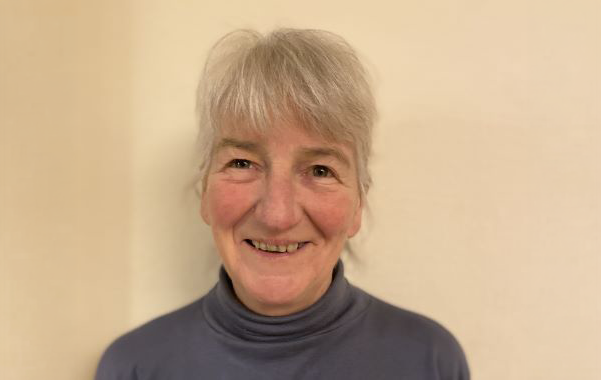
Professor Sally Roberts (Centre Investigator)
“I’m an Emeritus Professor at Keele University and have been a part of the Centre since it began in 2011. I completed my PhD at the Robert Jones and Agnes Hunt Orthopaedic Hospital (RJAH) in Oswestry where I studied the molecules that make up cartilage and the intervertebral disc. This includes collagen, the main protein in our musculoskeletal system. Back then, in the 1980s, we thought there were only two or three types of collagen in our body. Now, we know there’s 28 different types – the field has progressed massively.”
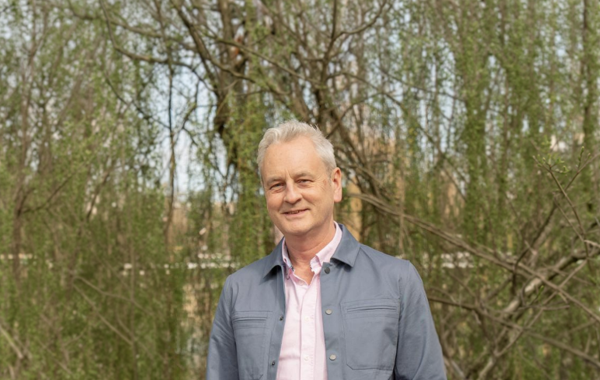
Professor Paul Genever (Centre Investigator)
“Funding from Arthritis UK has been absolutely fundamental. The charity gave me my first Fellowship in the early 2000s which then set me on a path to later join the Centre. This is where I cemented my career as a lecturer, and where I trained a PhD student called Dr David Kuntin. Together, we co-founded a spin out company called Mesenbio underpinned by research funded by Arthritis UK.”
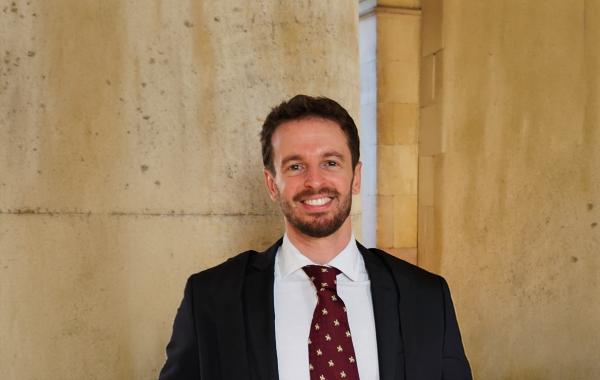
Dr Simone Castagno (Centre PhD student)
“I’m a PhD student at Trinity College in Cambridge and an orthopaedic surgeon. I joined the Centre through the Department of Surgery at the University of Cambridge. I chose this department knowing that through the Centre, I could collaborate with world-leading clinicians, scientists and engineers all in the same space.”
What have they done so far?
This Centre has trained and supported more than 140 staff and students, and published more than 250 research papers. Their work has helped lay the groundwork for others to build on, being cited more than 8,000 times. Some of their key discoveries to date include:
- Showing that bony spurs visible in X-rays called osteophytes, which can cause pain and stiffness in osteoarthritis, are formed by specific stem cells. These stem cells in the joint present a potential new target to treat osteoarthritis.
- Establishing two spin-out companies - one for a 3D bioprinting system called Jetbio to produce human-like tissue in the lab quickly and at scale, and another to support a potential novel arthritis treatment using engineered cells called Mesenbio.
- Finding a target that could be used to develop a first-of-its-kind therapy to stop osteoarthritis in its tracks. This promising target is a process used by cells for communicating to each other using proteins called bone morphogenetic proteins (BMPs).
- Being able to predict which individuals with knee osteoarthritis are at risk of rapid progression, especially in early stages of disease and among younger people, using a machine learning tool.
What difference have they made?
In addition to their many discoveries, the Centre’s research has led to real-world improvements to people with arthritis.
Cell power now on the NHS
In 2017, a cell therapy to treat cartilage defects called autologous chondrocyte implantation (ACI) was recommended by NICE for use in the NHS. ACI originated in Sweden but it was brought over to the UK by Centre researchers. Today ACI is commercially available across multiple continents, helping tens of thousands of people to date globally.
Did you know?Centre researchers were involved in developing the Cambridge Movement Surgical Hub, a state-of-the-art facility that opened in 2023 to tackle the waiting list backlog for joint replacements. Find out more in their Impact Report here: Impact report |
Our Centre for Tissues Engineering and Regenerative Therapies Impact Report
Discover how the Tissue Engineering and Regenerative Therapies Centre is advancing osteoarthritis diagnosis, regenerative therapies and tissue engineering to improve patient outcomes.
Other Arthritis UK research centres of excellence
-
Biomechanics and Bioengineering Research Centre
Under the leadership of Professors Duance, Caterson and Sparkes, this research centre aims to help people with musculoskeletal conditions live better.
-
Centre for Sport, Exercise and Osteoarthritis
This centre brings together experts in sports medicine and osteoarthritis, to understand the relationship between exercise, sport, injury, rehabilitation and osteoarthritis.