
Biomechanics and Bioengineering Research Centre
Team science to restore our joints step by step
Arthritis UK established the Biomechanics and Bioengineering Centre at Cardiff University in 2009 with £4.5 million of infrastructure funding. It was created to build capacity, address unanswered scientific questions about how our everyday movements affect the health of our joints, seek additional funding, embed patient and public involvement, and build networks.
This Centre was research active from 2009 till 2023, over two terms of funding from Arthritis UK. Now, the Centre is in its ‘Impact’ phase until 2028. During this time, they are focussing on securing future funding and pushing their research to the next level, closer to patients, rather than setting up new studies. Read our Impact Report to find out about this Centre’s research to date.
Biomechanics and Bioengineering Research Centre Impact ReportWhat is biomechanics and bioengineering?
Biomechanics and bioengineering help us understand how joints move, bear weight, and recover after injury or surgery. Biomechanics studies movement in everyday activities, while bioengineering uses technology to measure and analyse these movements in detail.
Why is this important to people with arthritis?
Research at this Centre brings the potential to reduce excessive stresses on the joint, preventing or reversing the development of arthritis and back pain. Through team science, this Centre brings together experts in engineering, biomedical science, orthopaedics, rheumatology and physiotherapy to apply engineering solutions and basic science to the many problems caused by arthritis.

Professor Cathy Holt (Centre Co-Director)
“I am a Professor of Biomechanics and Orthopaedic Engineering, Director of the Musculoskeletal Biomechanics Research Facility, and co-founder of the Centre alongside Professor Deborah Mason. Together, we had a vision that we should be combining forces as engineers and biologists to get to the root of osteoarthritis.”

Professor Deborah Mason (Centre Co-Director)
“I’m a molecular cell biologist and a Professor in the School of Biosciences at Cardiff University.”
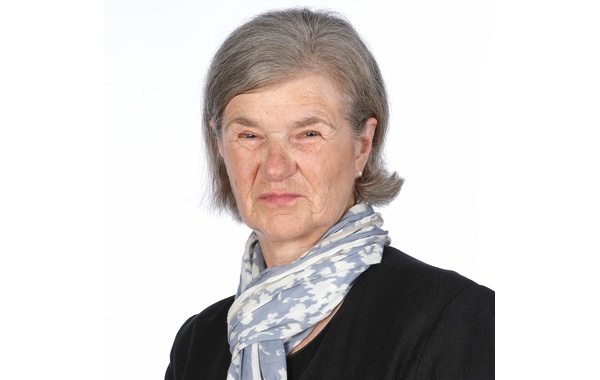
Professor Valerie Sparkes (Centre Director from 2019 to early 2026)
“The Biomechanics and Bioengineering Research Centre has been a leader in cross-disciplinary research as we believe that the best way to tackle the problem of arthritis and other musculoskeletal disorders is through working together and sharing expertise.”
What have they done so far?
This Centre has trained and supported more than 125 staff and students, and published more than 275 research papers. Their work has helped lay the groundwork for others to build on, being cited more than 9,000 times. Some of their key discoveries to date include:
- Showing how applying weight and pressure during everyday movement regulates genes linked with pain, inflammation and degeneration.
- Finding a new potential target to treat post-traumatic osteoarthritis called a glutamate receptor antagonist, now being explored in human and veterinary medicine studies.
- Showing how different surgeries for osteoarthritis, such as total knee replacement, affect the way a patient moves and feels. For example, nearly three in four people after a total knee replacement feel as good as healthy individuals, but less than a quarter experience fully restored knee movement.
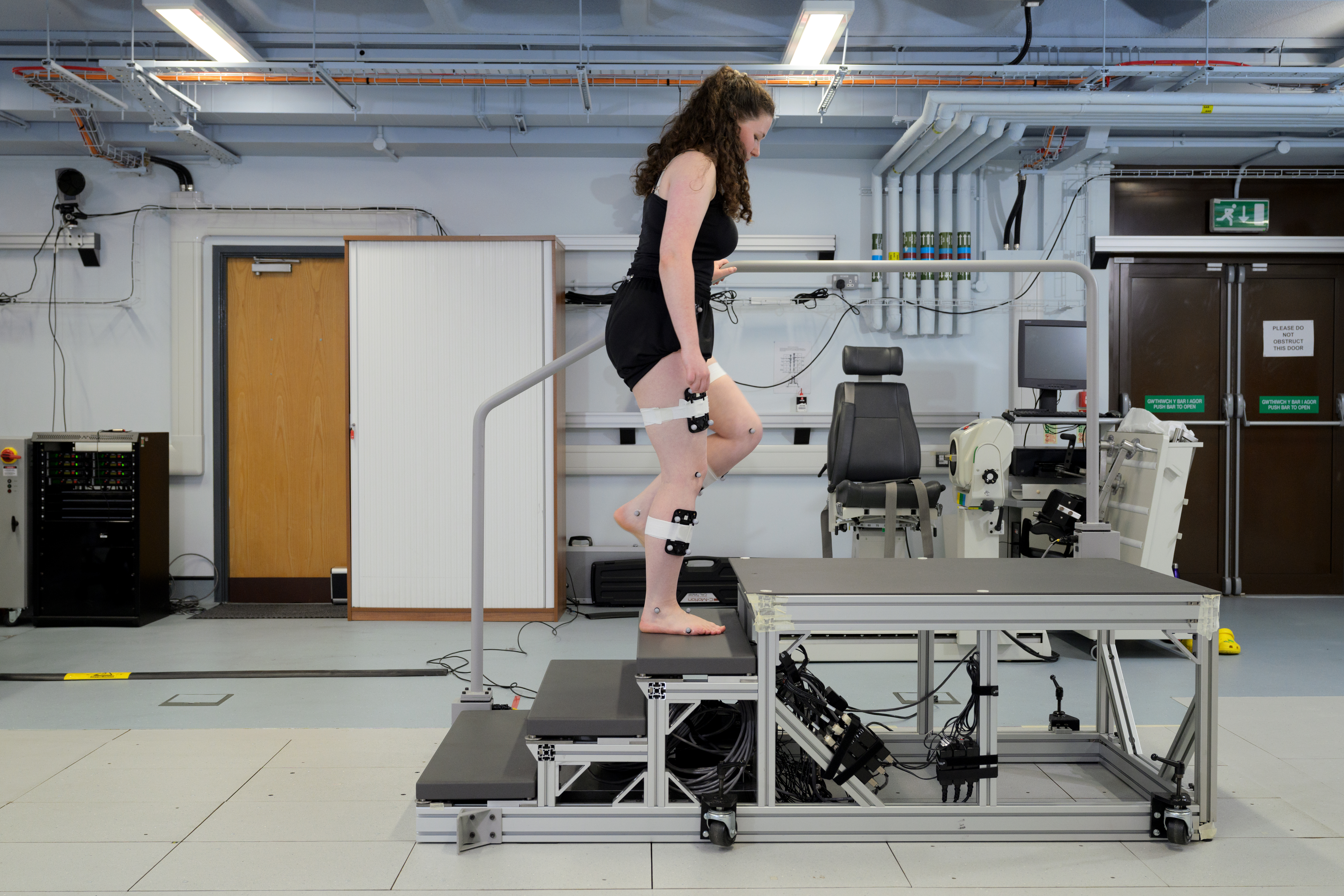
- Looking at the way we walk, known as gait analysis, using new technologies to help tackle musculoskeletal pain and improve the way we could rehabilitate osteoarthritis patients after surgery in the future. One of these technologies is a walking pattern tool called the Cardiff Classifier, which Centre researchers developed and showed could be used before surgery to predict how well a patient walks one year after surgery, and track their progress over time.
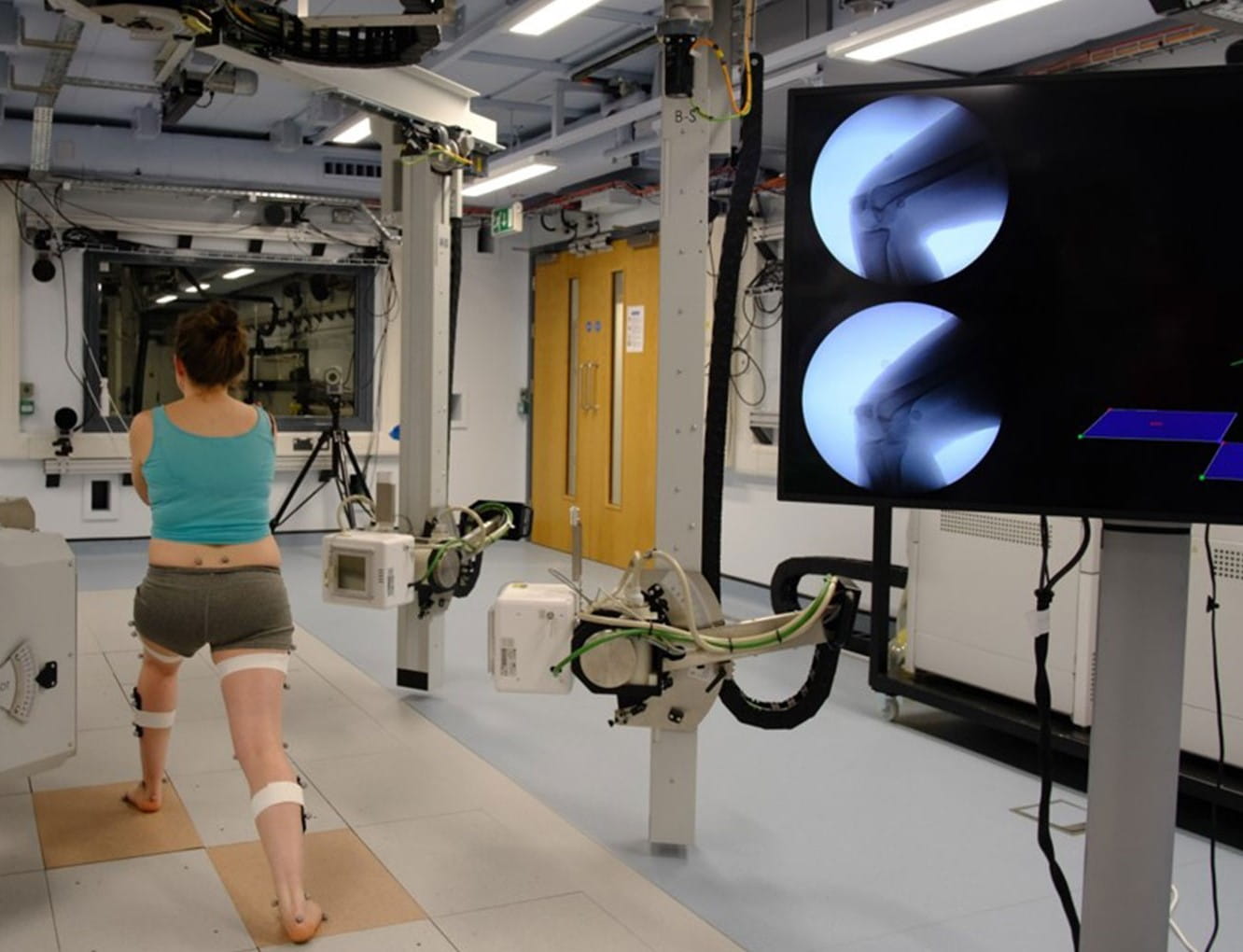
This technology is one of only a few of its kind in the world. It provides a real-time X-ray that can accurately quantify what’s happening in someone’s joint. We’re combining this with MRI to build a dynamic, full body model that visualises joints and tissues all at once.
Arthritis UK Biomechanics and Bioengineering Research Centre Impact Report
For many years, we’ve known that mechanical loading and inflammation contribute to osteoarthritis but the biological processes that link these factors were unknown. The impact of joint injury and joint surgery on our biomechanics and biology, and subtleties in gait or alignment that could contribute to long-term disease, was also unclear. Until now.
What difference have they made?
In addition to their many discoveries, the Centre’s research has led to real-world improvements to people with arthritis.
Wales’ first NHS Clinical Gait Analysis Referral Service
Centre researchers have built the capacity and facilities needed to establish a specialist NHS service called gait analysis. It assesses walking patterns for people with arthritis, guiding treatment before surgery and tracking progress after surgery. This service was established in 2019 and there are just over a dozen of them across the UK. Before then, people living in Wales in need of this service had to travel to Oswestry in England.
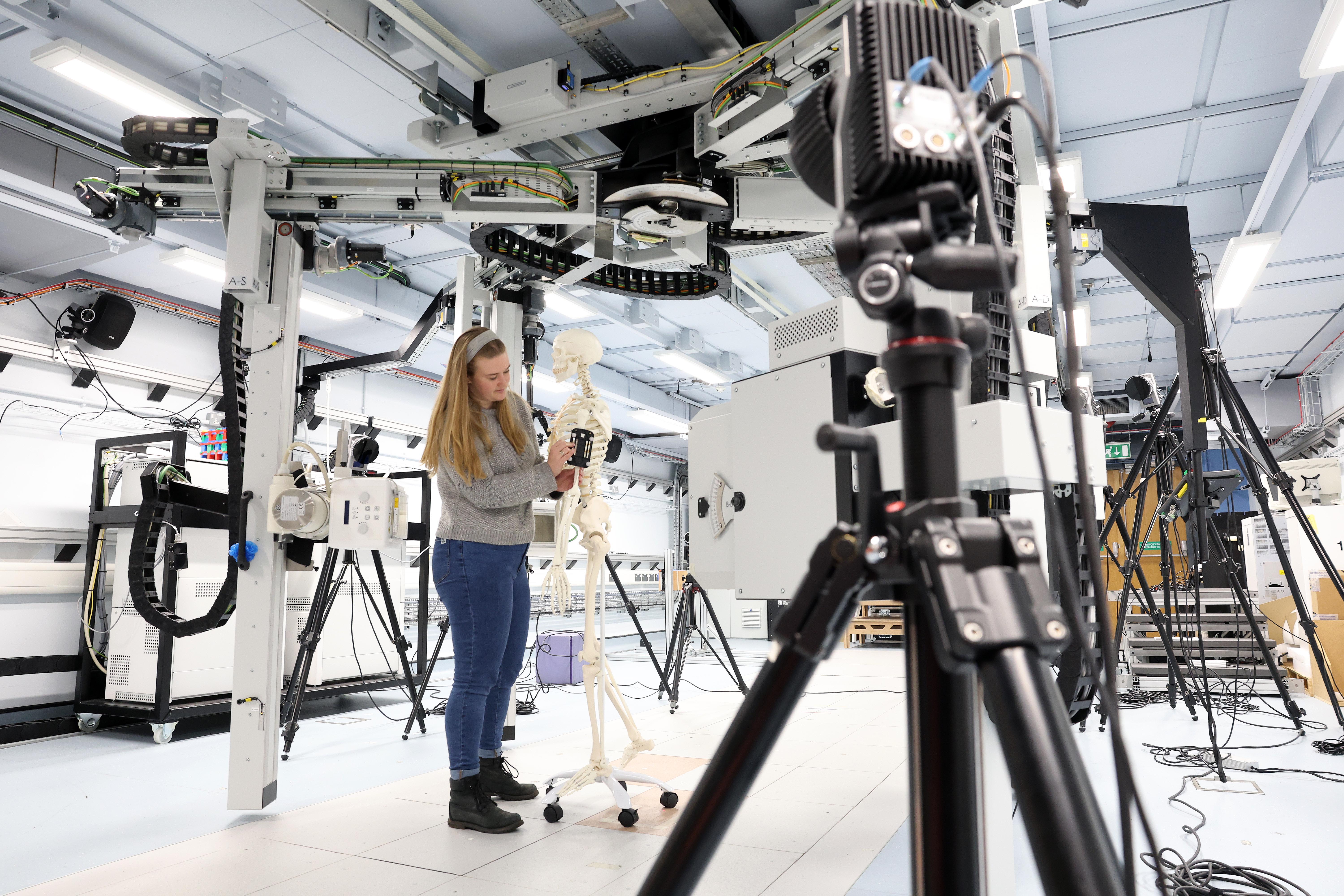
This service is available because the Centre built the facilities to make it possible by building a ‘Superlab’, which is unique to the UK and making leaps in research. With £5 million from the Welsh Government and Cardiff University, Centre researchers established the Musculoskeletal Biomechanics Research Facility. It houses a fluoroscopy laboratory with dynamic 3D X-ray capability.
Did you know?This Centre is taking inspiration from things found in nature like gecko skin and cicada wings, because bacteria don’t grow on them, to explore new ways to prevent infection in uncemented joint replacement implants. |
Other Arthritis UK research centres of excellence
-
Centre for Sport, Exercise and Osteoarthritis
This centre brings together experts in sports medicine and osteoarthritis, to understand the relationship between exercise, sport, injury, rehabilitation and osteoarthritis.
-
Tissue Engineering and Regenerative Therapies Centre
Research at this centre aims to regenerate bone and cartilage by using the patients’ own stem cells to repair joint damage caused by osteoarthritis.