
Centre for Sport, Exercise and Osteoarthritis
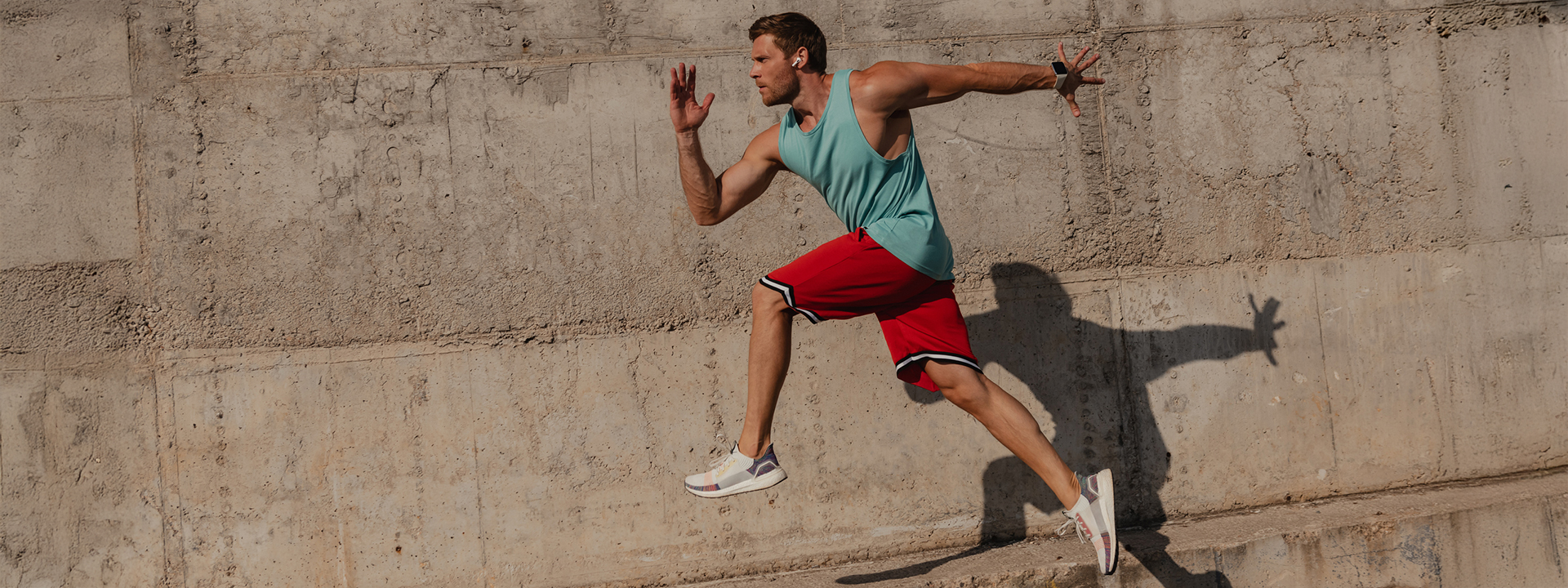
Team science to understand the interplay between sports, exercise and osteoarthritis
Arthritis UK established the Centre for Sports, Exercise and Osteoarthritis in 2013 with £4.8 million of infrastructure funding. The Universities of Bath, Loughborough, Nottingham, Leeds, Southampton and Oxford teamed up with Nottingham University Hospitals NHS Trust to do so. The Centre was created to build capacity, address unanswered scientific questions about the link between lifestyle and biology in osteoarthritis, seek additional funding, embed patient and public involvement, and build networks.
This Centre was research active from 2013 till 2023, over two terms of funding from Arthritis UK, and completed its ‘Impact’ phase in 2025. Read our Impact Report to find out about this Centre’s research from start to finish.
Impact report
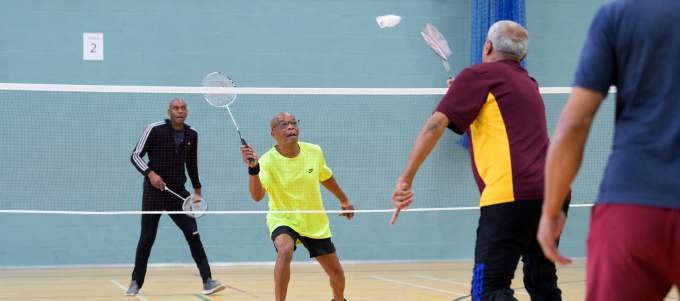
Why is this Centre’s research important to people with arthritis?
In the wake of the London 2012 Olympics, there was a need to better understand the link between sport, exercise and osteoarthritis. Back then, there was little dedicated research in this space, and so our Centre entered the ring.
Meet some of the Centre members
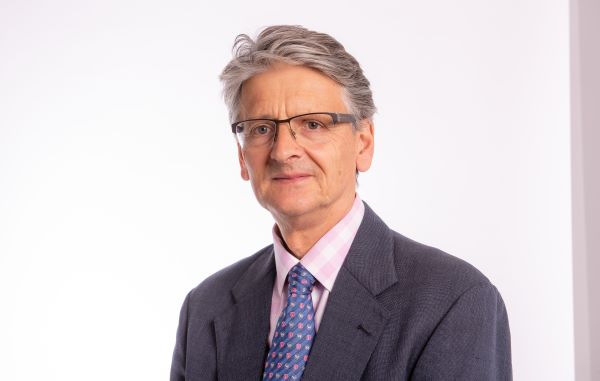
Honorary Professor Mark Batt (Former Centre Director)
“We’ve been able to help clarify that exercise itself does not cause osteoarthritis. To that effect, it is very bad to do no exercise, and it’s also not great to do really extreme amounts of exercise. Avoiding joint injury is the key.”
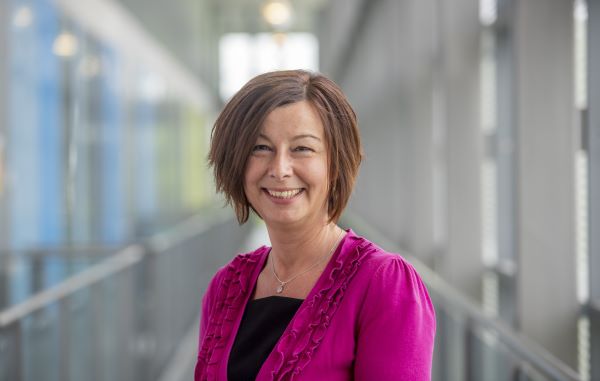
Professor Catherine Bowen (Centre Investigator)
“There aren’t many podiatrists like me who have gone on to do research and because of this, the field is understudied. There are far fewer researchers focused on foot osteoarthritis than there are focussed on knee or hip osteoarthritis. This difference is astounding given that the weight we put through our hips and knees has a consequent damage on our feet, which can lead to pain, osteoarthritis and mobility issues that can all negatively affect quality of life."
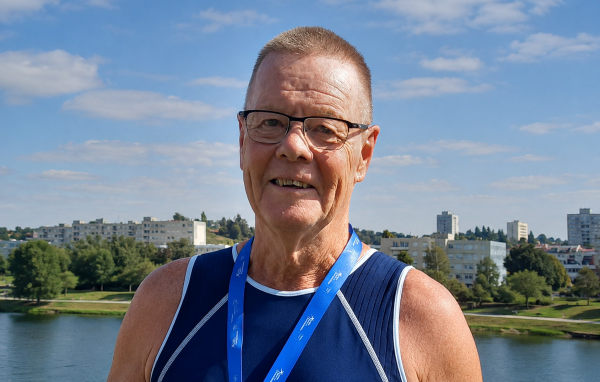
Jem Lawson (Centre patient partner)
“I keep active to manage my condition and believe it is the reason why, although I have a restricted range of movement in my knees, I live a full life with a little discomfort rather than severe pain. It is incredibly important to stay active into older age – I think people must be proactive in being active whilst guarding against potential injury.”
What have they done so far?
This Centre has trained and supported more than 210 staff and students and published more than 500 research papers. Their work has helped lay the groundwork for others to build on, being cited more than 10,000 times. Some of their key discoveries to date include showing that:
- There is an increased risk of osteoarthritis in former professional athletes, but this arises from traumatic injuries rather than taking part in sport itself.
- Recreational running does not have a clear detrimental effect on the knees. It may actually have a protective effect against the future need for osteoarthritis surgery.
- Being able to produce force quickly, known as muscular power, is incredibly important for maintaining our musculoskeletal health as we age. More so than strength. This is best achieved by exercising with relatively light loads and moving as quickly as possible throughout the whole movement.
- Living with excess weight doubles the risk of knee osteoarthritis in comparison with individuals at a healthy weight, whilst living with obesity increases this risk five-fold.
What difference have they made?
In addition to their many discoveries, the Centre’s research has led to real-world improvements to people with arthritis. For example, they
Helped write the ‘rule book’ clinicians use today
Centre member Professor Nigel Arden, in collaboration with other experts in the field across the world, wrote guidelines on managing osteoarthritis without surgery on behalf of a leading, global medical society called the Osteoarthritis Research Society International (OARSI). They recommend that the best two things an individual can do are to:
- Learn about and understand osteoarthritis
- Exercise: Such as strengthening, cardiovascular, tai chi or yoga programmes.
Did you know?Upper body workouts using an arm ergometer can reduce knee joint pain for a whole day. Find out more in their Impact Report |

Centre for Sport, Exercise and Osteoarthritis Impact Report
The Universities of Nottingham, Bath, Loughborough, Leeds, Southampton and Oxford joined forces with Nottingham University Hospitals NHS Trust to improve our understanding of the relationship between sport, exercise and osteoarthritis.
Other Arthritis UK research centres of excellence
-
Biomechanics and Bioengineering Research Centre
Under the leadership of Professors Duance, Caterson and Sparkes, this research centre aims to help people with musculoskeletal conditions live better.
-
Tissue Engineering and Regenerative Therapies Centre
Research at this centre aims to regenerate bone and cartilage by using the patients’ own stem cells to repair joint damage caused by osteoarthritis.