
Strength training with arthritis
Strength training with arthritis
Strength training can feel like a big step when you have arthritis, but it can help build muscle, support your joints and make everyday movement easier. This page explains what strength training is, how it can help, and how to do it safely with arthritis.
Key facts
|
What is strength training and how does it work?
Also known as weight training or resistance training, strength training refers to any exercise in which your muscles work against a force. This develops the muscles around the joints, which improves stability and strength.
UK physical activity guidelines recommend doing activities that strengthen the major muscle groups on at least 2 days a week. If you’re new to strength training, start gently and build up gradually.
"The stronger and bulkier the muscle, the better support it can provide an arthritic joint."
How is it beneficial for arthritis?
Strength training can help with many aspects of daily life if you have arthritis. It can help you carry shopping, walk longer distances and tackle stairs more easily.
Research shows that strength training can improve muscle strength and physical function and can help reduce pain for people with arthritis.
Strength training can also help if you need to lose weight. Managing your weight can help relieve strain on your joints, which can improve arthritis symptoms.
And the benefits aren’t just physical. Resistance-based exercise has been shown to have a positive effect on mental health, concentration and sleep.
What exercises can I do?
There are a wide range of strength exercises available for people at different levels.
Simple bodyweight exercises can help build strength and can be adapted for any level. This may involve doing push-ups on your knees, dips on the side of your bed or bodyweight squats.
The NHS has a guide on simple strengthening exercises you can do with minimal or no equipment.
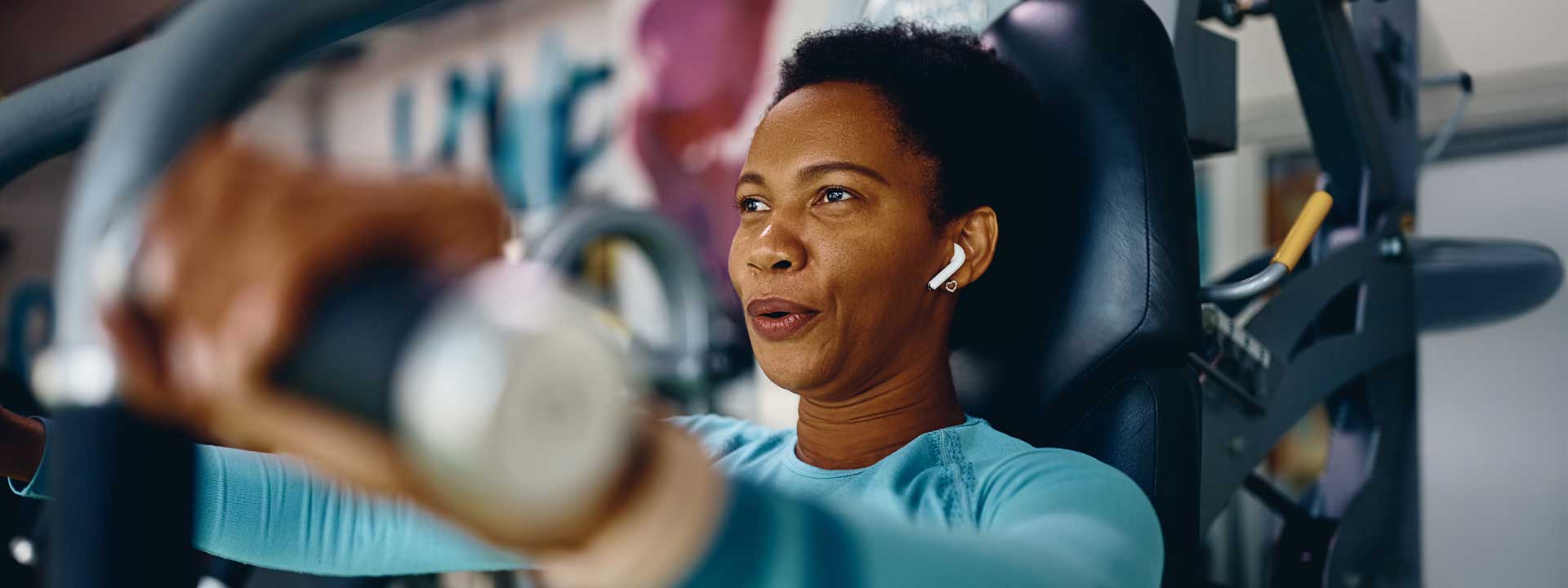
You could also use weights or machines at the gym to help build strength. There are also many different resistance band exercises you can do.
What equipment do I need?
You don’t necessarily need to join a gym or spend any money on special equipment.
You can do bodyweight exercises at home without any equipment. You can also use the furniture or items in your home, or online resources like apps or YouTube videos for strength-training exercises.
You can check out our free exercises resources that don’t need any equipment.
If you like, you can keep the equipment simple, such as with:
- Dumbbells – you can buy cheap, light weights that you can use and keep at home.
- Resistance bands – elastic bands that you can use at home that work in a similar way to weights. You can secure bands by knotting or tying the ends to provide resistance to curl or squat against.
You may also want to get some well-fitting and comfortable footwear to help support and protect your joints while you exercise.
How do I strength train safely with arthritis?
It can seem like a challenge to start strength training, especially if you have arthritis. But there are ways to train safely, build strength and improve your symptoms.
Build up gradually
The best way to strength train safely is to build up gradually – don’t do too much too soon. Start by doing simple exercises. You don’t have to do the full range of movement to start with.
As you get more comfortable, you can then increase the range of motion, increase the weight or the number of repetitions you can do.
Adapt your equipment
If you have arthritis in your hands and find gripping weights difficult, simple adaptations, such as thicker handles, foam grip covers or lifting straps may help you exercise more comfortably.
Ask for help
If you’re not sure where to start, you should speak to your doctor or physiotherapist. They can help you come up with an exercise plan to help you manage and reduce your symptoms.
If you go to a gym, the staff can show you what exercises you can do or how to use the equipment.
What should I do if strength training hurts?
It’s natural to feel some soreness during or after strength training or any form of exercise. This is usually nothing to worry about. Remember that movement is good for arthritis.
But you should listen to your body. If you feel a lot more pain during or after exercise, or you feel that your pain is getting worse, you should talk to a healthcare professional about it.
Relevant information
-
Exercising with arthritis
Find out more about exercising with arthritis and what types of exercises are beneficial for certain conditions.
-
Exercises for healthy joints
Exercises for your neck, shoulders, knees, back, hips, feet, ankles, toes, wrists and fingers to keep your joints healthy.
-
Keep moving information booklet
Learn about the benefits of exercising with arthritis, how to get started and how to stay motivated.
Sources
- Strength exercises - NHS
- Benefits of exercise - NHS
- Health matters: physical activity - prevention and management of long-term conditions - GOV.UK
- Recommendations | Osteoarthritis in over 16s: diagnosis and management | Guidance | NICE
Last reviewed: September 2026
Next review: September 2029
Reviewed by Ross Clifford, Chartered PhysiotherapistThis article has been reviewed by Ross Clifford BSc (Hons), MSc, a UK Chartered Physiotherapist with 15 years' experience in musculoskeletal health. He was previously a senior lecturer in physiotherapy and now works in primary care, specialising in sports and musculoskeletal injuries. He is co-author of Bulletproof Bodies: Bodyweight Exercise for Injury Prevention and Rehabilitation. |