

Joint pain
Joint pain
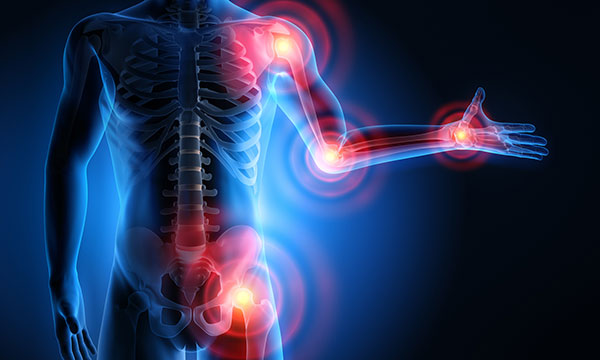
Joint pain is common and can have many causes, including injury, overuse and arthritis. It can affect one or more joints and may cause pain, stiffness or swelling. There are things you can do to manage joint pain, but sometimes you may need medical advice or treatment.
Key facts
|
How do joints work?
A joint is where 2 or more bones meet. Most joints allow your body to move.
The ends of the bones are covered with smooth cartilage, which helps them move easily against each other. Synovial fluid helps lubricate the joint, while ligaments and muscles support it and help control movement.
Pain can happen when the joint or the tissues around it become injured, irritated or inflamed.
Types of joint pain
What causes joint pain?
Sprain or strain
Sprains or strains are common causes of joint pain. A sprain is a stretch or tear in a ligament. A strain is caused by an injury to the muscle or tendon.
Both are usually caused by injury or overuse. Symptoms include:
- pain, tenderness or weakness in the affected joint
- swelling or bruising
- not being able to put weight on it or use it normally
- muscle spasms or cramping.
Most sprains or strains heal with rest after a few weeks. Once you can move the affected joint without pain stopping you, try to keep it moving so it doesn’t become stiff.
Osteoarthritis
Osteoarthritis occurs when a joint can no longer repair itself as well as it once could. This leads to changes within the joint that can be painful. When there is osteoarthritis in a joint, some of this tissue gets thinner and the surface becomes less smooth. It causes pain, stiffness and swelling.
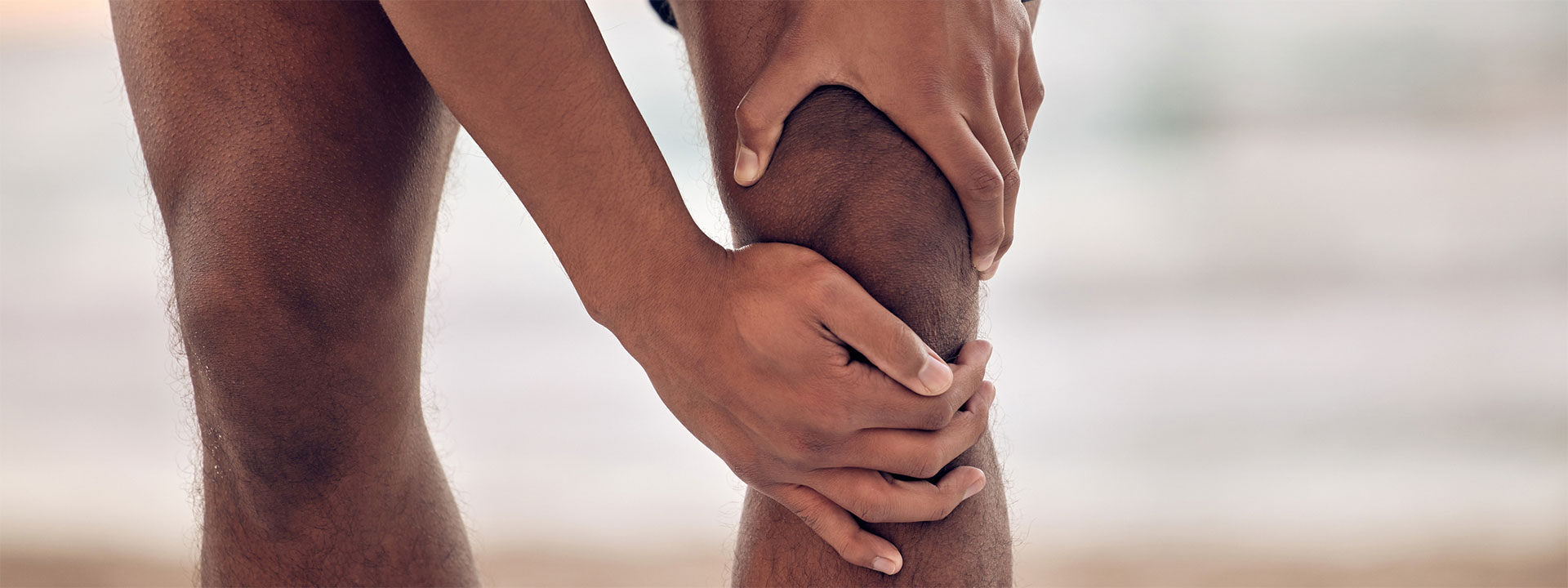
Osteoarthritis can happen in any joint in the body but is most common in the knees or hips. It’s most common in women over the age of 45, but it can start at any age. It is best managed with exercise and painkillers where needed.
Some people may need other treatments, such as steroid injections. A small number may need joint replacement surgery.
You can learn more about osteoarthritis through our online resources.
Learn more about osteoarthritis
Osteoarthritis is a common condition that affects the joints. It tends to occur in people over the age of 45 and most often develops in the hips, knees, spine, hand joints and big toes. Find out how it can affect you and how you can manage osteoarthritis symptoms.
Inflammatory arthritis
Inflammatory arthritis is a group of conditions that cause inflammation in the joints. In many types, the immune system mistakenly attacks healthy tissues, causing pain, swelling and stiffness.
Some types can also cause tiredness and affect other parts of the body.
Common types include rheumatoid arthritis, psoriatic arthritis, axial spondyloarthritis and juvenile idiopathic arthritis (JIA).
Other conditions which cause joint pain
There are other conditions that are not arthritis that can cause joint pain:
Joint pain can also be linked to inflammatory bowel disease (IBD), including Crohn’s disease and ulcerative colitis. Some infections can cause joint pain too, which may improve as the infection clears.
How to manage joint pain
Most cases of joint pain can be managed at home without medical treatment. What works best will depend on what’s causing your pain and how it affects you.
Exercise
Regular exercise improves joint pain by keeping the muscles strong, which supports the bones and joints. You should choose a joint-friendly exercise that you enjoy so that you’re more likely to stick to it, like walking, swimming, going to the gym or yoga.
Pain relief
Pain relief can help you stay active and carry on with everyday activities. This may include painkillers such as paracetamol or non-steroidal anti-inflammatory drugs (NSAIDs), depending on what’s causing your pain and whether they’re suitable for you.
Other pain relief
If the methods of pain relief above don’t help you, you might want to try some of the following:
- TENS – a small device that uses mild electrical impulses and may help reduce pain.
- Heat or cold packs – heat may help with pain and stiffness, while cold may help with swelling.
- Splints or supports – these can support or stabilise a painful joint and may make some activities easier.
- Complementary treatments and supplements – some people find these helpful, although the evidence for many of them is limited.
Exercises for healthy joints
If you have problems affecting your knee or knees or if you have knee pain, you might find these knee exercises helpful.
Knee exercisesThese hip exercises are helpful for problems affecting the hips and hip pain if you are living with arthritis or joint pain.
Hip exercisesIf you're experiencing back pain, you may find these back exercises helpful. Start slowly and build up gradually if you're new to exercise.
Back exercisesDiet and nutrition
There are no special diets to help joint pain. But, if you’re overweight, you should consider losing some weight to relieve some pressure on your joints. You should try to eat a balanced, healthy diet and exercise regularly to help you lose weight if you need to.

Eating well with arthritis: How to manage your weight and eat a balanced diet
While there are no miracle foods that will make your arthritis symptoms go away, eating a balanced diet and maintaining a healthy weight can make joint pain easier to manage.
When to see a doctor about joint pain
Most cases of joint pain get better without the need to see a doctor. But you should see a doctor if your joint pain:
- is stopping you doing normal activities or affecting your sleep
- is getting worse or keeps coming back
- has not improved after treating it at home for 2 weeks
- causes stiffness for more than 30 minutes after waking up.
You should ask for an urgent GP appointment if you have joint pain and:
- the affected joint is swollen and feels hot
- you feel generally unwell, have a high temperature or feel hot, cold or shivery.
Your doctor will ask you about your symptoms and do a physical examination. If they think there’s an underlying cause, they may refer you for further tests or to a specialist.
When is joint pain serious?
You should call 999 or go to A&E if you:
- have very bad joint pain after a fall or injury
- are unable to walk or put weight on the joint
- have a joint that has moved out of place
- heard a joint crack when you had an injury
- notice the joint has changed shape
- have tingling or no feeling around the joint after an injury.
Treatments for joint pain
Medications
If there is an underlying condition causing your joint pain, you may need medical treatment.
- Disease-modifying anti-rheumatoid drugs (DMARDs) – medicines used to treat inflammatory conditions such as rheumatoid arthritis. They reduce inflammation and can help prevent damage to the joints.
- Steroids – can be used for short periods to reduce inflammation and pain. They can be taken as tablets or given as injections.
Some conditions that cause joint pain, such as gout, will need specific treatment.
Physiotherapy and occupational therapy
There are several therapy options available to help manage joint pain.
- Physiotherapy – can be useful to improve strength and flexibility in your joints. A physiotherapist can also help recommend an exercise programme for you.
- Occupational therapy – can help you if your joint pain is causing problems with daily activities such as dressing, washing or driving. An occupational therapist can suggest different ways of doing things to reduce strain.
Surgery
Very few cases of joint pain need surgery. You will only be referred for an operation if other treatments have not worked.
Joint surgery may involve repairing or replacing damaged parts of the joint. It is most common for the knee or hip.
Other types of surgery may involve easing pressure on a nerve, such as for carpal tunnel syndrome or for some conditions affecting the spine.
Your surgeon will discuss the risks and benefits of surgery with you, so you can decide together which option is right for you.
How to live with joint pain
Mental health and sleep problems
Living with ongoing joint pain can affect your mental health and wellbeing. Talking therapies like cognitive behavioural therapy (CBT) may help you cope with the impact of joint pain.
If your joint pain is affecting your sleep, it could make your symptoms worse. Try going to bed and getting up at regular times, winding down before bed and avoiding screens just before bedtime.
If you’re still having problems with your sleep, you should see your doctor or a healthcare professional. They can give you other tips and techniques to improve your sleep.
Joint care: Looking after your joints
When you’re dealing with joint pain, everyday tasks such as getting in and out of the shower, getting dressed or making the bed can feel like a struggle. However, you can reduce the pain and strain on your joints by changing the way you do things. This is called joint protection or joint care.

Join our free Living Well Programme
Learn how to manage pain, sleep, fatigue and anxiety, and how to improve your emotional wellbeing, in our free online Living Well Programme.
Working with joint pain
If you can, try to keep to your usual routine and stay in work, or return to work when you feel able.
You should stay in contact with your employer and discuss what can be done to so you can keep working with your joint pain.
If you’re having any difficulties travelling to or from work or need an item of equipment, the Government’s Access to Work Scheme might be able to help.
Frequently asked questionsWhy are all my joints hurting suddenly?There are many possible causes of sudden joint pain, including injuries, viral infections and flare-ups of inflammatory conditions. Sometimes there may be no obvious cause. If your joint pain doesn’t improve or you have other symptoms, speak to your GP. Is my joint pain arthritis?Joint pain isn’t always caused by arthritis. The most common cause of joint pain is a sprain or strain that will get better without treatment. Joint pain caused by arthritis is more likely to cause pain that keeps coming back or lasts for a long time, often with stiffness or swelling. What can I do to help my joint pain?Staying active and exercising regularly are some of the best things you can do to help manage joint pain. Other things, such as heat or cold packs, may also help. If you’re not sure, ask your healthcare team before trying or using any alternative treatment. What is the best medicine for joint pain?Most cases of joint pain don’t need medical treatment. Staying active and using home remedies can help improve pain and stiffness without needing to take anything. You may need short courses of painkillers like paracetamol or NSAIDs like ibuprofen to help if your pain is quite bad or it’s stopping you from your everyday activities. If you have an underlying cause of your joint pain like inflammatory arthritis, you may need a specific medicine to help with your condition. How long does joint pain last?Pain from a minor injury may improve within a few weeks, while conditions such as arthritis can cause pain that comes and goes or lasts longer. If your pain isn’t improving after 2 weeks, speak to your GP. |
Sources
- Joint pain - NHS
- Sprains and strains - NHS
- Overview | Osteoarthritis in over 16s: diagnosis and management | Guidance | NICE
- Overview | Rheumatoid arthritis in adults: management | Guidance | NICE
- Overview | Gout: diagnosis and management | Guidance | NICE
Last review: 01/09/2026
Next review: 01/09/2029