
Women's health
How arthritis affects women's health
Arthritis can affect anyone, of any age or gender. But some forms of arthritis are more common in women. And certain life stages – and changes in hormone levels – can affect how women experience their arthritis symptoms.
Why gender matters
|
Women's experience of pain and arthritis
Women can sometimes face additional barriers to having their pain recognised and taken seriously. There is also some evidence to suggest that women with autoimmune conditions face longer waits for diagnosis. Nearly 1 in 3 women with autoimmune conditions reported waiting 4 years or longer for a diagnosis. And more than 4 in 10 women with autoimmune conditions reported that their symptoms had been misdiagnosed as a mental health condition.
Find out more about the gender pain gap and how to get the support you need: Seen but not heard: how the Gender Pain Gap affects women with arthritis
For more information, and practical next steps, read our guide to diagnosis here: Guide to arthritis diagnosis
Arthritis and the menstrual cycle
Some women experience changes in their symptoms depending on where they are in their monthly menstrual cycle. This might be due to the effect of the varying levels of some hormones – such as oestrogen and progesterone – during each month.
Starting a family if you have arthritis
Arthritis should not stop you trying for a baby if you want to. But try to plan ahead and speak to your healthcare team in advance. If you become pregnant unexpectedly, let your healthcare team know as soon as possible, as your treatment may need to be reviewed.
Specialist doctors will provide you with lots of extra support to keep you and your baby safe in pregnancy.
Vitamin D during pregnancy
Arthritis UK funded a trial that showed that taking vitamin D supplements during pregnancy improved the bone mass of babies born during the winter – the time of year when vitamin D levels are naturally lower.
As a follow up to this, we’re funding another study to find out whether this increased bone mass continues into childhood. If successful, this could lead to further discoveries in how diet and physical activity affect bone mass in children and could help make a case for taking vitamin D supplements during pregnancy.
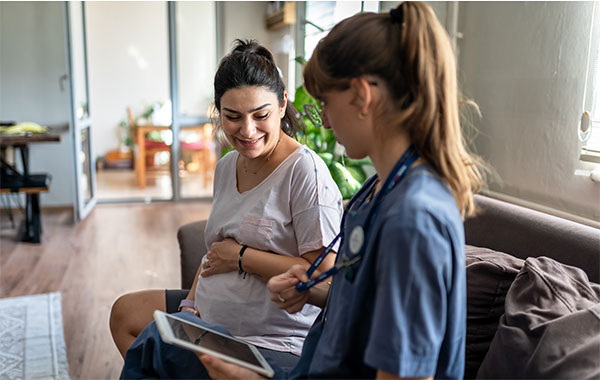
Planning for a baby if you have arthritis
It’s completely normal to feel concerned about the effect of pregnancy on your arthritis and the effect of arthritis on your pregnancy. It’s never too early to start the conversation with your doctor so that you can get on the right treatment plan.

5-week Living Well programme
The Living Well Programme is here to support you in managing the challenges of living with arthritis, helping you discover practical ways to cope, connect with others who understand, and make lasting changes to improve your wellbeing.
Menopause and arthritis
Menopause is natural, but it can cause symptoms that impact on your quality of life. Trying to manage menopause symptoms and your arthritis can be a challenge, but it’s possible with the right treatments and some support.
Keeping moving
Exercise is one of the best things you can do to manage arthritis symptoms. It’s also good for you during pregnancy, during menopause and to help you manage stress and look after your mental health: Getting started with exercise
Read more about menopause and arthritis.
Exercise resources
|

Mental health and arthritis
Living with arthritis can affect your mental health. It’s not uncommon to feel low, isolated, or just a bit overwhelmed when you’re dealing with pain and fatigue. Find out how to look after your emotional wellbeing and where to get support.
We're here for you
- Call our helpline 0800 5200 520 for free today (Monday-Friday, 9am-6pm). Our advisors offer advice about arthritis tailored to you: Arthritis UK helpline
- Learn about what the online community is, how it can support people with arthritis and how to get involved: online community
- Learn about AVA – our Virtual Assistant, including what it is, why it's helpful and what happens to your conversation: Ask Ava our virtual assistant.