
Adaptations in the kitchen
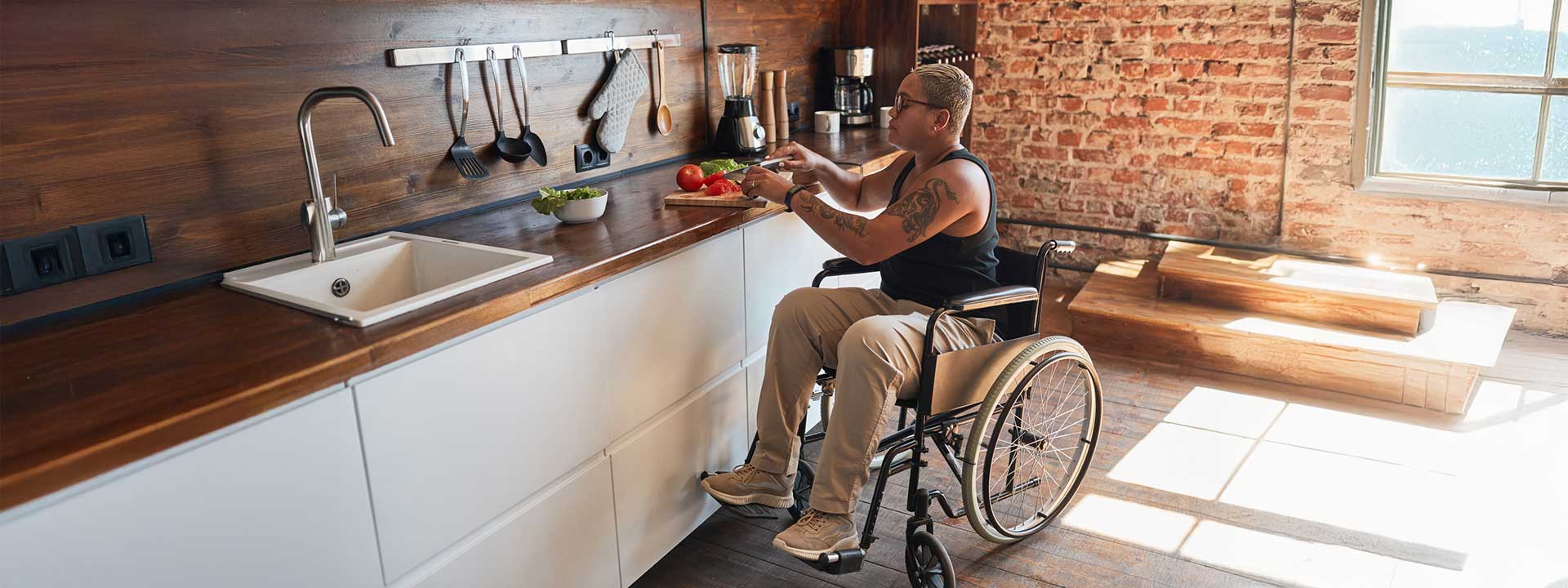
Managing in the kitchen if you have arthritis
Living with arthritis can make everyday tasks in the kitchen, such as chopping vegetables, opening jars or lifting pans, more difficult. Simple adaptations and specially designed kitchen aids can help reduce strain on your joints, ease pain and make cooking and preparing meals more comfortable. From easy-grip utensils to practical changes to your kitchen layout, there are lots of ways to make your kitchen work better for you and help you stay independent.
Top tips for the kitchen
- Use lightweight crockery and cups with large handles that can be gripped with several fingers.
- Insulated or pedestal mugs can be held with both hands, because you can support them underneath without burning yourself.
- A trolley could be useful for moving heavy plates of food.
- Most supermarkets sell pre-prepared food, such as chopped vegetables and grated cheese.
- Frozen vegetables will save on preparation and often have a similar nutritional value to fresh vegetables.
- Having some pre-prepared ingredients or ready-made meals in the freezer can be handy when your arthritis flares.
- Consider purchasing a washing-up bowl with a drainer in, so that you can empty the bowl of liquid without having to lift it.
Gadgets for preparing food
- Kettle tippers – you can even bring water to the kettle in a lightweight plastic jug to avoid having to move it.
- Hot water dispensers are a good alternative to using a kettle, but you’ll still need to fill it up using a plastic jug.
- Hand-held electric blenders.
- Easy-grip cutlery with chunky handles.
- You can also try a Mezzaluna knife – which is a curved blade with a handle on each end. It’s most commonly used to chop herbs, but you can also use it to chop meats or cheeses.
- Non-slip mats.
- Wide handled potato peelers.
- A food processor for chopping, grating and mixing.
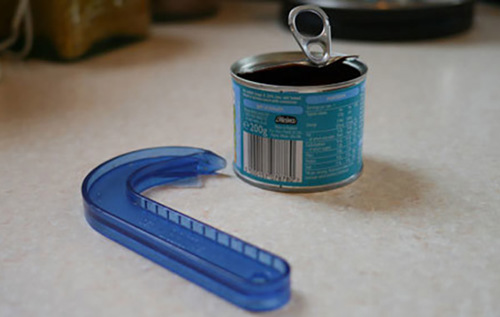
- Ring pull or electric can openers.
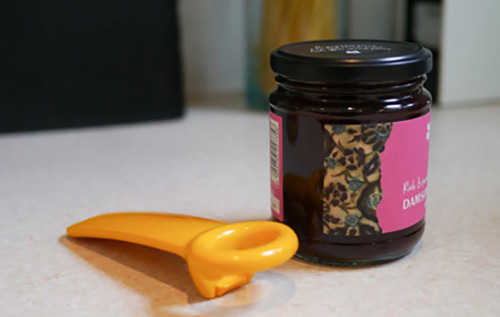
- Easy-grip bottle openers and jar openers.
- Spring-loaded scissors that open by themselves are good for packets.
You could also try:
- making a wooden spoon, knife and other handles bigger by adding some foam tubing
- wrapping an elastic band or a tea towel around tight bottles or jars, to help pry them open
- placing a cloth under a bowl, so that it doesn’t slide around if you want to use both hands to mix
- making individual drinks in the microwave.
Cooking tips
- Use a lightweight saucepan with two handles.
- Use a vegetable steamer – they can be lighter than a saucepan because less water is needed.
- A tabletop slow cooker can be easier to use than a casserole dish that you place in the oven.
- Use a slotted spoon to remove boiled vegetables from the saucepan.
- Use a ladle to remove soups and stews from the saucepan.
- Use a wire chip basket, placed in the saucepan first, to lift out vegetables when cooked.
Work surfaces and cupboards
Reaching into very low or high cupboards can be hard, particularly if they’re cluttered or stacked several layers deep.
The following tips might help:
- store items you use often within easy reach
- use plate racks, rather than piling crockery up
- use step-shelves inside cupboards, so that you can easily see and reach jars and tins.
Buying new kitchen equipment and appliances
When buying new equipment for your kitchen, ask yourself the following:
- Are control knobs easy to reach, grip and turn, push or pull?
- Is the appliance easy to use?
- Will you be able to clean and maintain it easily?
- Can you lift and move it if you need to?

How a healthy diet affects your arthritis
Although there are no diets or supplements that will cure your arthritis, some people find their condition is affected by what they eat. There are many types of arthritis, and what works for one person may not work for another but when it comes to what we eat, two things have the biggest impact.
Tips for redesigning your kitchen
- Have wall-mounted cupboards moved to a lower position.
- Fit large handles or sliding doors.
- Have drawers mounted on rollers, which run more easily than standard drawers.
- Have shelves that slide or rotate out when you open the door.
- Make sure all the cupboards and surfaces are at the right height.
- Have a wall mounted oven with a drop-down door to make it easier to reach in and remove items.
Top tips for food shopping
- Online shopping is a really convenient way to get food. Most supermarkets offer a free click and collect service, but you can also get your shopping delivered to your door for a small fee.
- Plan to shop on a day when you don’t have many other things to do.
- Don’t try to carry too much in one go.
- Use shopping bags with strong handles, which are easier to carry – you should be able to buy these at supermarkets.
- Adapted silicone bag handle grips stop carrier bags digging into your fingers.
- Ask for help at the supermarket, especially with packing and loading into the car.
- Consider using a shopping backpack, or a trolley on wheels for short trips on foot.
- Ask friends or neighbours to shop for you.
Many large stores provide wheelchairs for customers. Some councils run Shopmobility schemes, where you can hire wheelchairs and scooters to go shopping or around town.
Visit the Government’s webpage on community transport services and Shopmobility to find out what services are available in your area.
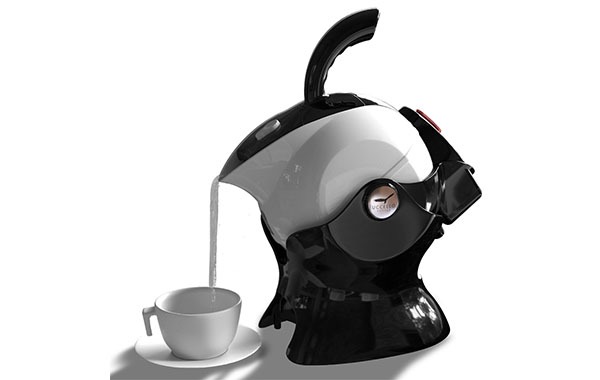
Arthritis UK Shop: The Uccello tipping kettle
The Uccello Kettle was specifically designed for those with limited reach, mobility, dexterity, and strength. Unlike other kettles and kettle-tippers, the circular shape of our Uccello Kettle, moves around the body of water to create a smooth effortless pour, so you don't have to lift, strain or balance - simply tilt to pour.
Adaptations around the home
-
Adaptations in the kitchen
Simple adaptations and specially designed kitchen aids can help reduce strain on your joints, ease pain and make cooking and preparing meals more comfortable.
-
Adaptations in the bedroom
Bedroom adaptations for people with arthritis can help reduce strain on your joints, improve comfort and make everyday tasks easier to manage.