
Adaptations in the bedroom
Managing in the bathroom if you have arthritis
Getting comfortable in bed, reaching for clothes and getting dressed can be challenging when you have arthritis. Bedroom adaptations for people with arthritis can help reduce strain on your joints, improve comfort and make everyday tasks easier to manage. From adjustable beds and supportive pillows to dressing aids and easy-to-reach storage, discover practical bedroom aids and adaptations that can help you maintain your independence and make your bedroom work better for you.
The bed
Making a bed can be difficult. A common problem is shifting the weight of the mattress. This can make tucking in bedclothes painful and difficult. You may find it helpful to have a lightweight mattress or to use a mattress pad on top of your ordinary mattress. This means you only need to lift a thin pad to tuck sheets under. Try using fitted sheets and a duvet.
Using an extra sheet under the duvet will mean you don’t have to change the duvet cover as often. Some duvet covers come with bigger buttons, rather than small poppers at the base.
You could also try using easy grip pegs to hold the duvet in place on the bed, to make it easier to pull the cover on. Use the pegs to hold the top of the duvet and duvet cover together so that you can shake the rest of the duvet into shape.
The mattress
The perfect mattress should provide the right balance between comfort and support for your spine. There isn’t a ‘one size fits all’ approach – while some people might prefer a hard mattress, softer ones can be just as good. It all depends on your personal preference and your condition.
A mattress has a set lifespan, and when that’s over, it will sag. If you can feel the springs easily or if it’s lumpy, saggy, or floppy, it’s probably time to replace it.
You may be advised to put a board under a sagging mattress. This is poor advice and won’t improve how it works. In fact, a board under the mattress can actually create painful conditions at the pressure points of the hip and shoulder.
Before you buy a new mattress, do your research. Go to a good retailer who can discuss the features and benefits of their products.
Don’t be shy about trying out several beds in the store, particularly in the position you sleep in. If you share a bed with someone, take them along too, so you can find a mattress that suits both of your needs. And take your time – physiotherapists recommend trying a mattress for 20 minutes before buying.
Many people find memory foam mattresses or toppers helpful. A common recommendation is to buy a firm or orthopaedic mattress. But whether this is right for you depends on many factors, including:
- your weight and build
- your size and age
- the way you sleep
- the sort of aches and pains you have.
Pillows
Choosing a comfortable pillow can help reduce neck and shoulder pain. Shaped or memory foam pillows can also be useful.
There’s no specific type or number of pillows that will suit everybody. What’s best for you will depend on how you sleep and what you find most comfortable.
The best thing you can do is find a position in which your neck is aligned with your spine. Be careful not to prop your pillow too high, as this can put your neck at an uncomfortable angle.
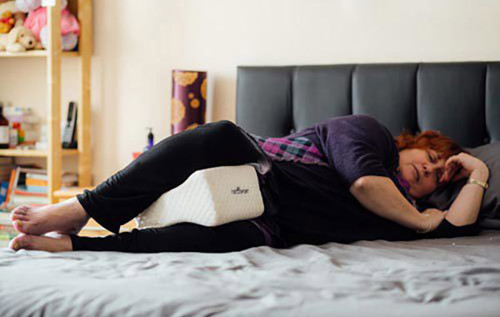
A pillow placed between your legs when lying on your side can provide extra support if you have any hip or knee pain. Some people find long body pillows to be particularly comfy. There are also specialist pillows available, which are moulded to the shape of your legs and can provide more support than an ordinary pillow.
Dressing
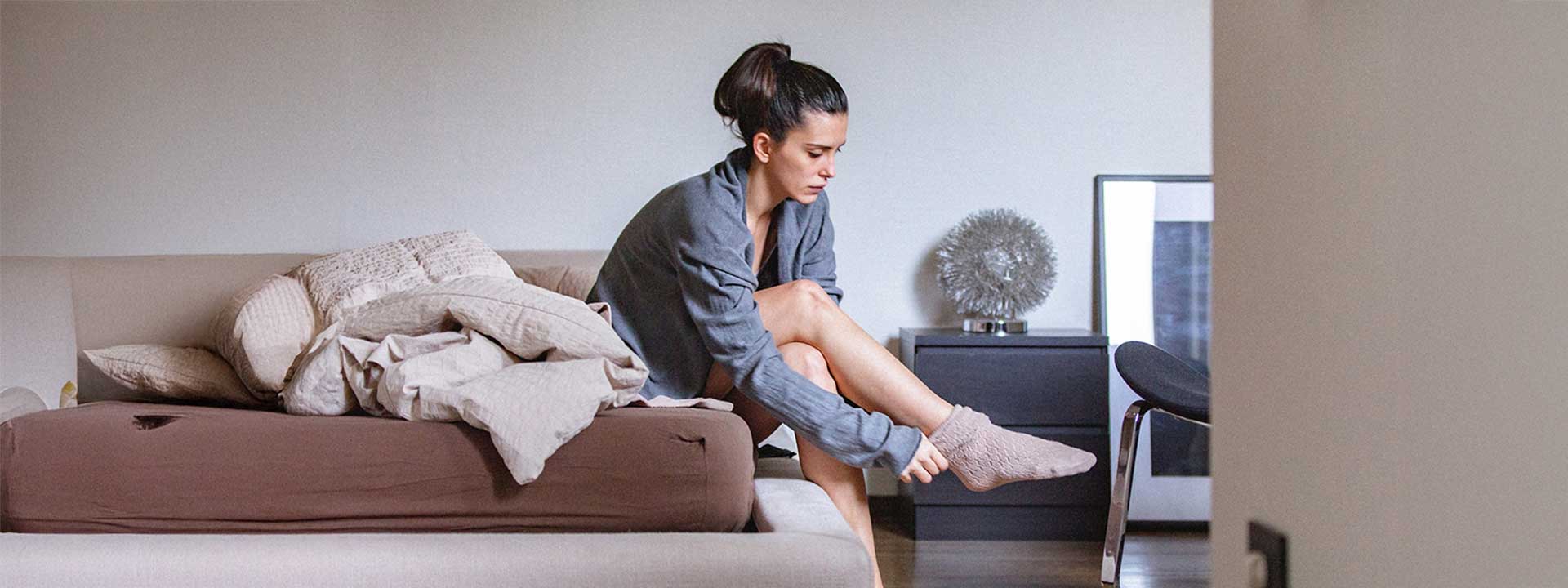
It’s usually easiest to sit down while putting your clothes on, and there are a wide variety of gadgets to help, including:
- a buttonhook for fastening buttons
- long-handled shoehorns
- a dressing stick
- sock or tight aids to help you pull them onto your feet and up over your legs
- a front fastening bra can be easier to manage. Bras without fastenings that you pull on over your head or pull up from the floor are also available.
You can adapt clothes by replacing some fastenings with Velcro. Try placing a zip pull tag, small piece of ribbon or key ring on a zip to hook your finger through.
Some companies will be able to fit shirts and blouses with magnetic buttons.
For information on footwear and what you should look for in a good pair of shoes visit our footcare and footwear page.

Getting ready
- Using a hairdryer or straighteners may be easier if you sit at a table and support your elbow on a pillow or cushion.
- Think about getting a hair dryer brush so that you can dry and style your hair with one hand.
- Try hands-free hairdryer holders or stands.
- Use a small make-up sponge to apply face cream if you find it difficult to do with your fingertips.
- Wrap elastic bands around makeup pencils or brushes to make them easier to grip.
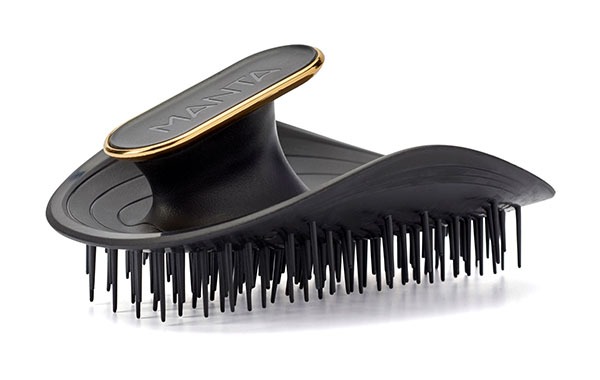
Arthritis UK Shop: Manta easy grip hair brush
The MANTA is changing the way women care for their hair. Whether you’re recovering from hair loss or navigating changes in your hair’s texture and strength, the MANTA Original is designed to be a gentle step forward- restoring comfort, confidence, and control.
"This is perfect, makes my scalp feel great and hair is easy to brush."
Adaptations around the home
-
Adaptations in the kitchen
Simple adaptations and specially designed kitchen aids can help reduce strain on your joints, ease pain and make cooking and preparing meals more comfortable.
-
Adaptations in the bathroom
If you have arthritis, simple adaptations and specially designed bathroom aids can help reduce strain on your joints, improve safety and make everyday routines more comfortable.