
Adaptations in the bathroom
Managing in the bathroom if you have arthritis
Arthritis can make everyday bathroom tasks, such as getting in and out of the bath, turning taps and showering, more difficult. Bathroom adaptations for people with arthritis can help reduce joint pain and strain, improve safety and make washing and bathing easier. From grab rails and shower seats to easy-to-use taps and non-slip flooring, discover practical bathroom aids and adaptations that can help you manage daily routines more comfortably and maintain your independence.
Top tips for the bathroom
- Liquid soap in a push-down pump bottle is easier than using a bar of soap.
- You can also try refilling a suitable pump bottle with your favourite shampoo, conditioner or face cleanser.
- Try fattening the grip of a toothbrush by wrapping an elastic band around it.
- A thick towelling dressing gown is much easier than struggling to dry yourself with a bath towel.
- You may find using a microfibre towel helpful, as they’re much lighter than normal towels and you don’t have to rub yourself. They can be found in outdoor pursuit shops.
- Use a lightweight electric razor.
- Use an electric toothbrush.
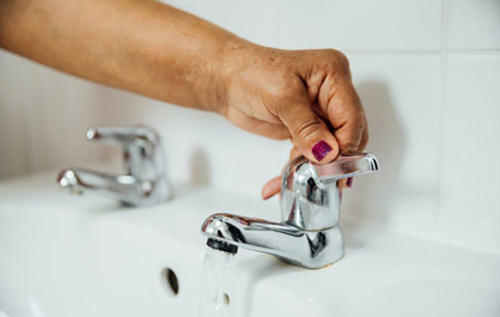
Gadgets and aids for the bathroom
- Lever taps are easier to use than regular taps. You can buy these, or fit tap turners on to existing taps.
- You can get long-handled versions of most equipment, including long-handled sponges, hairbrushes, combs and toe wipes.
- A long flannel strap with rings at either end can be great for drying those hard to reach places.
- A toothpaste squeezer might help.
Getting in and out of the bath
If you find getting in and out of a bath difficult, think about getting some of the following:
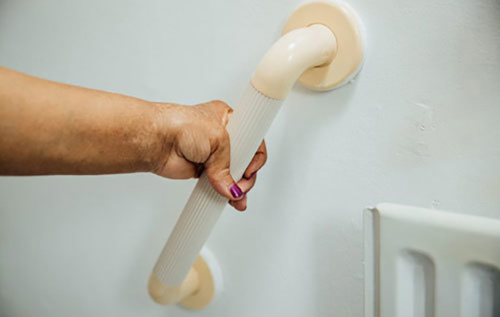
- a grab rail
- a non-slip mat
- a bath board and seat
- a powered bath seat lift
- a walk-in bath – although these can be very expensive.
Before you buy a new walk-in bath or a powered bath seat it’s worth speaking to an occupational therapist to ensure you get a suitable model for your needs.
Taking a shower
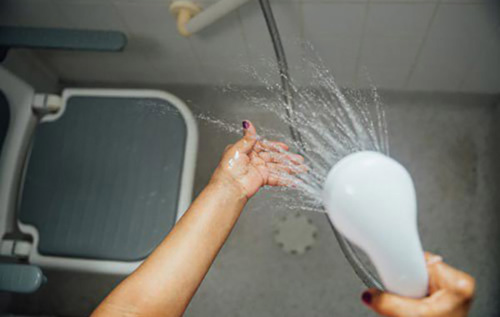
- Grab rails and fold-down shower seats can help you shower more comfortably.
- Free-standing shower stools may be suitable if wall-mounted seats aren’t an option.
- Walk-in showers or wet rooms can improve access, but may
involve higher costs.
Using the toilet
Equipment that can help includes:
- a grab rail beside the toilet
- a raised toilet seat
- a toilet frame
- a bottom-wiping gadget
- a portable bidet which fits onto a standard toilet pan
- an automatic flushing toilet with built-in bidet, which washes and dries you
- gadgets that convert toilets into automatic flushing toilets.
Periods
Inserting and removing tampons or menstrual cups might not be easy, especially during a flare. But there are alternatives that should be easier to use.
A number of different companies have now designed easy to use menstrual cups to make them as easy to use as tampons. So have a look around and see if there are any which might be suitable for your needs.
Period proof underwear can also be a good option if you want to avoid menstrual cups, but still want something that’s reusable.
Adaptations around the home
-
Adaptations in the kitchen
Simple adaptations and specially designed kitchen aids can help reduce strain on your joints, ease pain and make cooking and preparing meals more comfortable.
-
Adaptations in the bedroom
Bedroom adaptations for people with arthritis can help reduce strain on your joints, improve comfort and make everyday tasks easier to manage.