
MSK diagnosis toolkit

What good diagnosis looks like — a primary care framework
We recognise the increasingly high-pressure environments healthcare professionals like you navigate daily. Our goal is to provide a toolkit that supports your clinical expertise with practical tools and resources, helping you deliver transformative care even when time is short.
The case for better diagnosis — why it matters
A timely, accurate diagnosis plays a critical role in improving outcomes for people with musculoskeletal (MSK) conditions.
When patients receive the right diagnosis at the right time, they are better able to access appropriate treatment sooner, avoid unnecessary escalations of care, and manage their condition more effectively.
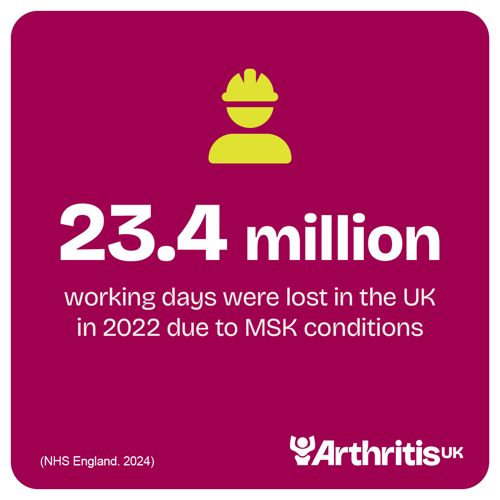
Delayed diagnosis can affect the patient’s mental health and wellbeing as well as causing a financial burden through loss of work or extra care costs.
"In a strange way, I was almost relieved that there was something "wrong" because I was beginning to think it was all in my head."
We can provide you with the skills, knowledge and confidence to effectively diagnose a broad range of MSK conditions in our MSK SKILLs training courses such as Effective Consultations training and Fibromyalgia and inflammatory arthritis and we have Effective Consultation demonstration videos to build your confidence in practical examination techniques.
A step-by-step guide to effective MSK clinical diagnosis
Step 1. Effective communication
Many patients with arthritis, particularly inflammatory conditions, have a history of being dismissed. A healthcare practitioner who listens carefully and takes a comprehensive history is already doing something therapeutically valuable.
Giving a clear diagnosis can be transformative. It validates a person’s experience and opens doors to essential treatment and support - from medical treatment to workplace adjustments and financial assistance.
"The consultant was lovely, very calm and listened to me, examined me, asked lots of questions and explained the tests and tests results."
Effective communication helps patients feel reassured and more in control. Our MSK SKILLs training courses including Effective consultations and Why language matters, providing clear, compassionate communication strategies to use in your consultations:
“This training strengthens how I communicate, listen, and respond… patients will feel more understood and more involved in their care.”
Step 2: Shared decision making
By aligning your clinical expertise with what matters most to the individual, you can co-create realistic and meaningful management plans. This approach encourages long-term engagement and supports patients in taking an active role in their health.
Developing a formal care plan provides a clear, joint roadmap for managing the condition together.
This can be supported by our decision support tools which are designed to help people living with an MSK condition make informed choices about their treatments.
Step 3: Conduct a structured clinical assessment
Confidence in MSK examination is the clinical foundation of accurate diagnosis. This is the step where many GPs feel least supported — and where targeted training has the greatest impact.
Strong clinical assessment skills, as demonstrated in our comprehensive series of videos, allow you to make timely, accurate decisions and identify when escalation is critical.
Confidence in recognising red flags and acting early, particularly for inflammatory arthritis, significantly improves long-term outcomes. Efficient assessment also benefits the wider system by reducing reliance on unnecessary tests and avoiding delays.
We also provide clinical assessment resources for both adults, and children and young people.
“This course allowed me to realise the importance of my words when explaining diagnoses and gave good examples of how to explain this to patients”
Step 4: Address the whole person, not just the joint
Arthritis affects every part of a person's life. The diagnostic appointment is an opportunity to open these conversations, even if they cannot all be addressed in one visit.
A diagnosis is an opportunity to look at the "whole person" and the broader impact of the condition on their life:
- Holistic impact Our helpline team can assist with signposting patients to appropriate organisations and resources to support with their well-being, you can also refer your patients directly to the Helpline team. Additionally, our online community can be a place for peer-to-peer support.
- Work and daily life For people of working age, diagnosis is an opportunity to consider practical support such as workplace adjustments and fit notes.
- Awareness across the life course While more common in older adults, arthritis can affect people of all ages. Maintaining awareness of this supports earlier identification, particularly in less-recognised groups such as those with juvenile conditions.
Step 5: Start the self-management conversation early
Evidence strongly supports self-management as a clinical intervention, not a consolation prize. There is strong evidence that both physical and psychological self-management strategies significantly improve outcomes.
You are essential in:
- providing early guidance and reassurance
- introducing the concept of self-management as active, evidence-based, and empowering
- promoting the benefits of movement and correcting common myths
- signposting to relevant health and community services
- identifying when a patient needs more intensive support beyond signposting and know what to refer to.
Starting these conversations during the diagnostic journey builds the patient's confidence and encourages sustained engagement.
We also offer a number of resources for self-management, including online courses, information booklets, exercise posters, as well as physical activity resources.
As a patient who benefitted from Arthritis UK support explains:
"I emailed the Arthritis UK helpline and got a response the next day, they told me there was a support group and self-management sessions ... With my consent, they gave my number to the absolutely brilliant Karen, the volunteer ... Karen rang me straight away and put me a such ease, she talked me through how I was feeling, explaining it was common to feel this way, she gave me some tips, and she found me a place on a Managing Pain self-management course that was starting in just a few months' time."
Key takeaway
Effective diagnosis is more than a clinical moment; it is the starting point for a patient’s understanding and long-term wellbeing. By combining your diagnostic expertise with a person-centred approach, you are transforming the experience of care for people living with arthritis and MSK conditions. With the right skills and tools, every healthcare practitioner in primary care can make that moment better.
Please use the training tools and resources for you and your patient to make diagnosis the best possible start on someone’s journey.
Diagnosis toolkit
| Resource | What it's for | Where to find it |
| MSK SKILLs training: Effective consultations (in person) | Communication and consultation skills | Effective consultations (in person) |
| MSK SKILLs training: Effective consultations (digital) | Communication and consultation skills | Effective consultations (digital) |
| MSK SKILLs training: Key conditions | In-depth management information of MSK conditions | Key conditions |
| MSK SKILLs training: Why language matters | Person-centred language in diagnosis | Why language matters |
| MSK SKILLs training: Fibromyalgia and inflammatory arthritis | Distinguishing conditions, recognising red flags | Fibromyalgia and inflammatory arthritis |
| Clinical assessment of adults videos | GALS screen and MSK examination | Clinical assessment of adults videos |
| Clinical assessment of children videos | pGALS and paediatric MSK assessment | Clinical assessment of children videos |
| Decision support tools | Shared decision making with patients | Decision support tools |
| Self-management resources | Booklets, exercise guides, courses | Self-management resources |
| Work Adjustment Plan | For patients requiring reasonable adjustments at work | Work Adjustment Plan |
| Young People and Families Service | Tailored support for young people, parents and carers | Young People and Families Service |
| Arthritis UK helpline | Patient signposting and direct referral | Arthritis UK helpline |
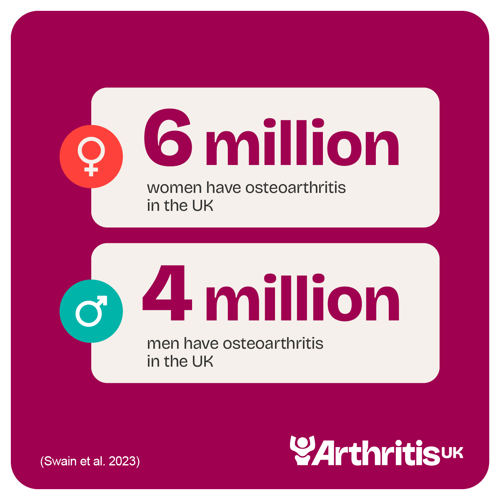
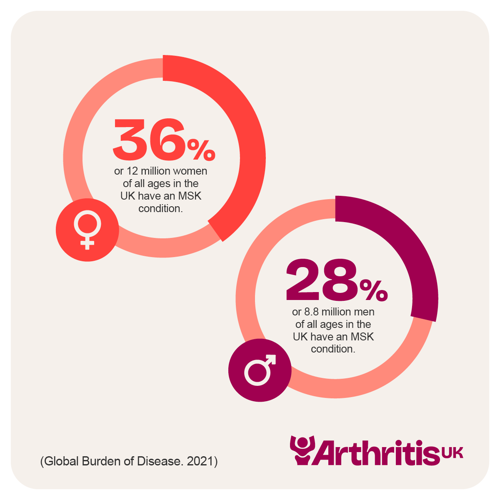
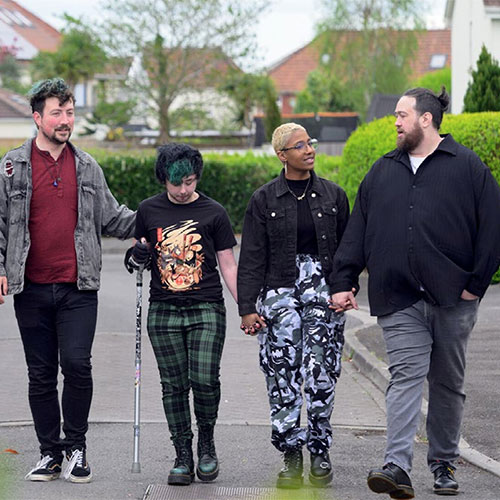
The Silent Treatment: Why an Arthritis Diagnosis Matters
Explore the vital role of accurate arthritis diagnoses in improving health outcomes. Our report highlights barriers and the need for personalized care.
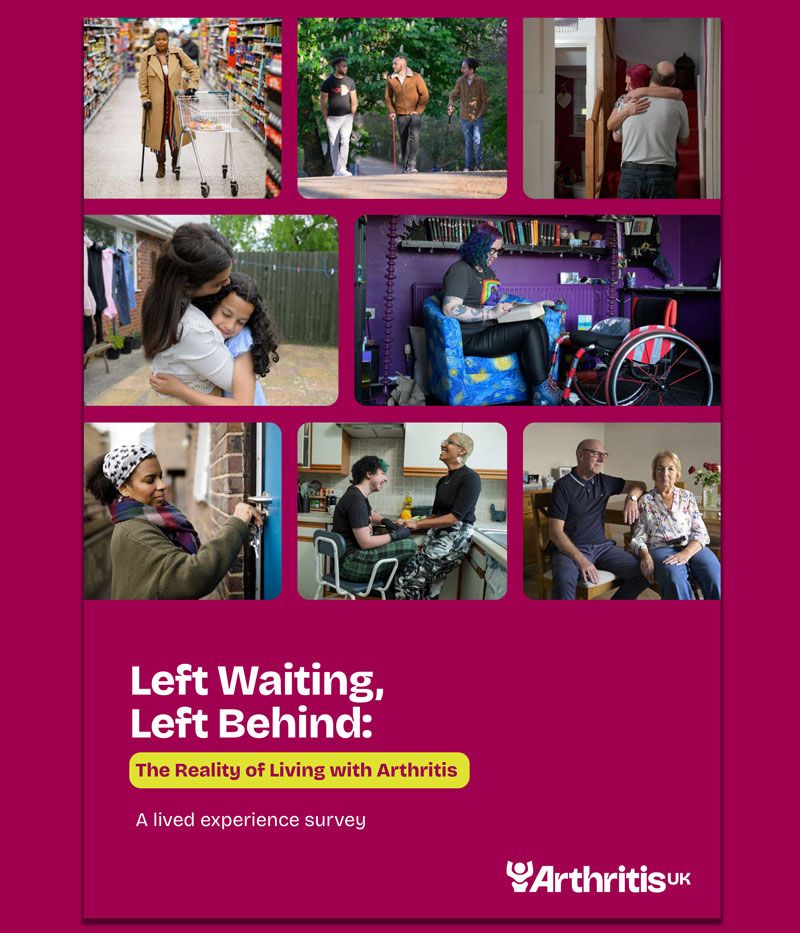
Left Waiting, Left Behind: The Reality of Living with Arthritis
A lived experience survey
Left Waiting, Left Behind: The Reality of Living with Arthritis presents a powerful snapshot of the reality of living with arthritis told through lived experiences and personal stories: experiences of diagnosis, treatment and support, along with the personal and financial cost.
This diagnosis toolkit is shaped by the insights from Arthritis UK's upcoming diagnosis report, The Silent Treatment: Why an Arthritis Diagnosis Matters, The State of Musculoskeletal Health and the lived experiences of people with arthritis shared in our 2025 survey, Left Waiting, Left Behind.
Related resources
-
Clinical assessment of patients with musculoskeletal conditions
Learn more about the key questions you need to consider when diagnosing a patient dealing with joint problems.
-
Musculoskeletal clinical assessment in children and young people
Use our study guide to improve your clinical assessment skills and make a diagnosis of a child or young person.
-
Effective Consultation videos
The Effective Consultation videos on MSK examination and conditions to support health and care professionals.