
My child has been diagnosed with JIA
A guide to JIA diagnosis for parents and carers
Your child has recently been diagnosed with juvenile idiopathic arthritis (JIA), and you're probably feeling a lot right now — worry, relief that you finally have an answer, confusion about what it all means, maybe even grief. All of that is completely understandable.
A JIA diagnosis is a big moment for any family, and it's okay to need time to process it. What we want you to know, right from the start, is this: you're not alone, and your child can live a full, active, happy life.
This guide will take you through what JIA is and what to expect in the weeks and months ahead, as well as how to support your child at each stage of their development, how to look after the rest of your family and where to go for help.
How common is JIA?
Thousands of children and young people in the UK have JIA — around 1 in every 1,000 under the age of 16 — and with the right support, most go on to do everything their peers do. Some go into remission, meaning symptoms stop for long periods or disappear altogether. The goal of treatment is to control inflammation, protect their joints, and help them thrive.
What is JIA?
JIA stands for Juvenile Idiopathic Arthritis. It is a type of arthritis that begins in childhood before the age of 16 and causes inflammation in one or more joints that lasts for at least six weeks. It is not caused by an injury, and it is not contagious.
Breaking down the name:
- Juvenile means it starts in childhood
- Idiopathic means the exact cause is not fully known
- Arthritis is inflammation in one or more joints
JIA is an autoimmune condition. This means your child's immune system which normally fights off germs and infection has become confused and is attacking healthy joint tissue by mistake. This causes the swelling, pain, and stiffness that are the hallmark symptoms of JIA.
Some children may have genes that make them more susceptible, and in some cases a trigger like a viral infection may set the immune system off but the exact reason is different for every child, and often unknown.
The different types of JIA
There are several subtypes of JIA, and your child's medical team may give them a specific type at diagnosis or it may take a little longer to become clear. The subtypes are not always fixed: a child can start with one type and move to another over time. Everyone's experience of JIA is different, even within the same subtype.
- Oligoarthritis which is the most common. This affects 4 or fewer joints, often the knees or ankles.
- Polyarthritis affecting 5 or more joints.
- Systemic JIA (also known as Still's Disease). This is a rarer type involving joint symptoms alongside whole-body inflammation, such as daily fevers, swollen glands, or a rash.
- Enthesitis-related arthritis which affects the joints and the places where tendons attach to bones. It can cause pain in the heels, around the hips, knees, or back.
- Psoriatic arthritis which is linked with the skin condition psoriasis. It can affect fingers, toes and nails.
- Undifferentiated arthritis when symptoms don't clearly fit one specific type.
Your medical team will be your best guide to understanding which type your child has and what that means for their treatment.
Symptoms to be aware of
JIA symptoms can vary widely from child to child, and they can come and go. Common signs include:
- joint pain (often in the knees, ankles, wrists, or fingers)
- swelling that may make joints look puffy or feel warm
- morning stiffness that eases as the day goes on and
- fatigue a deep tiredness that sleep doesn't fix, sometimes described as "brain fog".
You may notice your child limping, favouring one side, or not using a joint in the way they normally would. In some types of JIA, there may also be fever or skin rashes.
Uveitis
Eye inflammation (called uveitis) can affect some children with JIA. Uveitis can affect one or both eyes and it often has no visible symptoms in the early stages. This is why regular eye checks with an ophthalmologist are an essential part of your child's care. Be sure to keep these regular appointments, even when your child seems well.
Watch out for these common symptoms of uveitis:
- Redness of the eye in one or both eyes
- Pain in the affected eye
- Light sensitivity (called photophobia): where your child finds bright environments uncomfortable
- Floaters: your child may have spots in their field of vision caused by inflammation in the eye
- Blurred or loss of vision.
If your child has redness, pain or light sensitivity in one or both eyes, ask for an urgent GP appointment or get help from NHS 111. Any changes in vision should be treated as an emergency and you should take your child to A&E without delay.
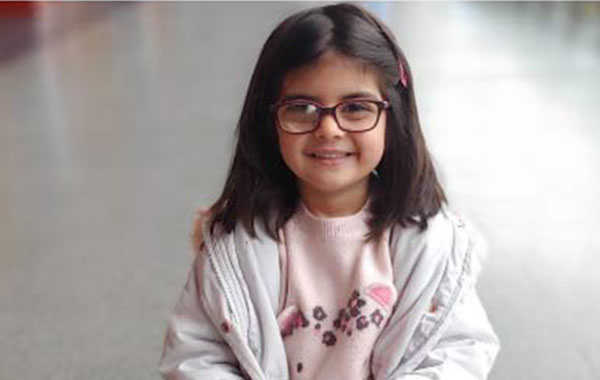
Uveitis: A parent's perspective
Lara is four and was diagnosed with juvenile idiopathic arthritis (JIA) at two years old. At three, she was diagnosed with uveitis. Tom, Lara’s father, shares an honest account of caring for Lara and managing her conditions. He tells us of her resilience, the challenges his family face, as well as his fears and hopes for Lara’s future.
What does JIA treatment look like?
The aim of treatment is to reduce inflammation and pain, protect the joints, and help your child stay active and well. The good news is that treatment for JIA has advanced enormously, and the goal for many children is remission — a period with no active signs of arthritis.
In the early weeks and months after diagnosis, it can feel like there are a lot of appointments: clinical check-ups, blood tests, medication consultations, physiotherapy sessions, occupational therapy. This is normal, and it will settle down over time as your child's treatment plan is established.
Medication
Medication plays a central role for most children with JIA. There are several types, and what your child needs depends on their type of JIA and how they respond:
- NSAIDs (like ibuprofen or naproxen) help with pain and swelling in the short term
- DMARDs (like methotrexate) slow down the immune system's attack on joints over a longer period
- Biologic medicines (like etanercept or adalimumab) target specific parts of the immune system and are often used when other medications haven't been sufficient
- Steroids may be given as tablets, injections into joints, or short courses to bring severe inflammation under control quickly.
You may hear some of these described as "immunosuppressants", which can sound alarming. A more helpful way to think about them is as immunomodulators which means that they gently adjust how the immune system works to reduce the misdirected inflammation, while still allowing it to do its essential job of fighting off infections.
Your child might be on a combination of drugs that aim to help their symptoms and try to put your JIA into remission. It can take a while to find out what works for them.
Physiotherapy
Physiotherapy keeps joints moving and muscles strong. It is important that your child stays as physically active as possible. Movement does not damage arthritic joints, it helps them. Even during flares, your physiotherapist can advise on what is safe and helpful.
Occupational therapy
Occupational therapy supports the everyday activities that matter to your child: getting dressed, going to school, playing a musical instrument, socialising with friends. An occupational therapist will help identify where practical adjustments can make a real difference.
Eye care
Eye care is an important aspect of JIA management for most children. This is because children with JIA can develop an eye condition called uveitis which can affect their eyesight.
Emotional support
Emotional support is also a priority. Managing a chronic condition takes a psychological toll on children and families. Counselling, psychology support, and peer groups can make a significant difference.
If your child is struggling emotionally, please raise it with your medical team.
How to support your child at different ages
How you support your child with JIA will shift as they grow. Here is what tends to matter most at each stage.
Very young children (under 5)
Babies and toddlers will not understand what JIA is, but they will feel frightened in clinical environments and during procedures like blood tests. Your most powerful tool is your presence. Hold them, soothe them, talk to them — this tells them you are there even if they can't yet make sense of what is happening.
Where you can, offer small choices to give them a sense of control: "Do you want to sit on my lap for the blood test, or would you like me to hold your hand?" These micro-choices matter enormously to young children. Before hospital visits, children's books about going to hospital (Starlight Children's Foundation has good resources) can help prepare them. Be mindful of the language you use and avoid words like "painful" or "hurt" before procedures; try "you'll feel a little scratch".
Primary school age children (5–11)
At this age, children may come up with their own explanations for why they got ill. Gently reassure your child, clearly and repeatedly, that JIA is not their fault and not caused by anything they did.
Start involving them in managing their condition in age-appropriate ways; perhaps getting their distraction toys ready before an injection or doing a fun morning stretch routine together (Cosmic Kids Yoga on YouTube is popular with this age group). The more involved they feel in their own care, the more empowered they become.
Speak to your child's school early. Schools have a legal duty to support children with health conditions, and most are willing and able to make adjustments but they need information. Your medical team can provide letters; Arthritis UK's Information for schools also has school resources you can share.
Older children and pre-teens (11–13)
Children at this age are developing their understanding of health and illness and are acutely aware of how they compare to their peers. Missing school or not being able to take part in activities can feel particularly painful.
Talk to your medical team to be clear about what your child can and cannot do and lean toward enabling participation rather than protecting them from it. Doing as much as they physically can helps children feel included and capable. The instinct to shield your child is completely natural, but over-restriction can do more harm than good.
Teenagers
Adolescence brings a whole new dimension to managing JIA. Teenagers are developing their identity, and a chronic condition that affects their body, their appearance, or their energy can feel like an enormous burden on top of everything else that adolescence brings. You may see your child pushing back on going to appointments or refusing medication. This is developmentally normal, even if it is frustrating and worrying.
The most important shift at this stage is toward your teenager gradually taking ownership of their own health. Work with the medical team on the transition process which starts earlier than most families expect, typically in early to mid-teens to prepare them for moving from paediatric to adult care.
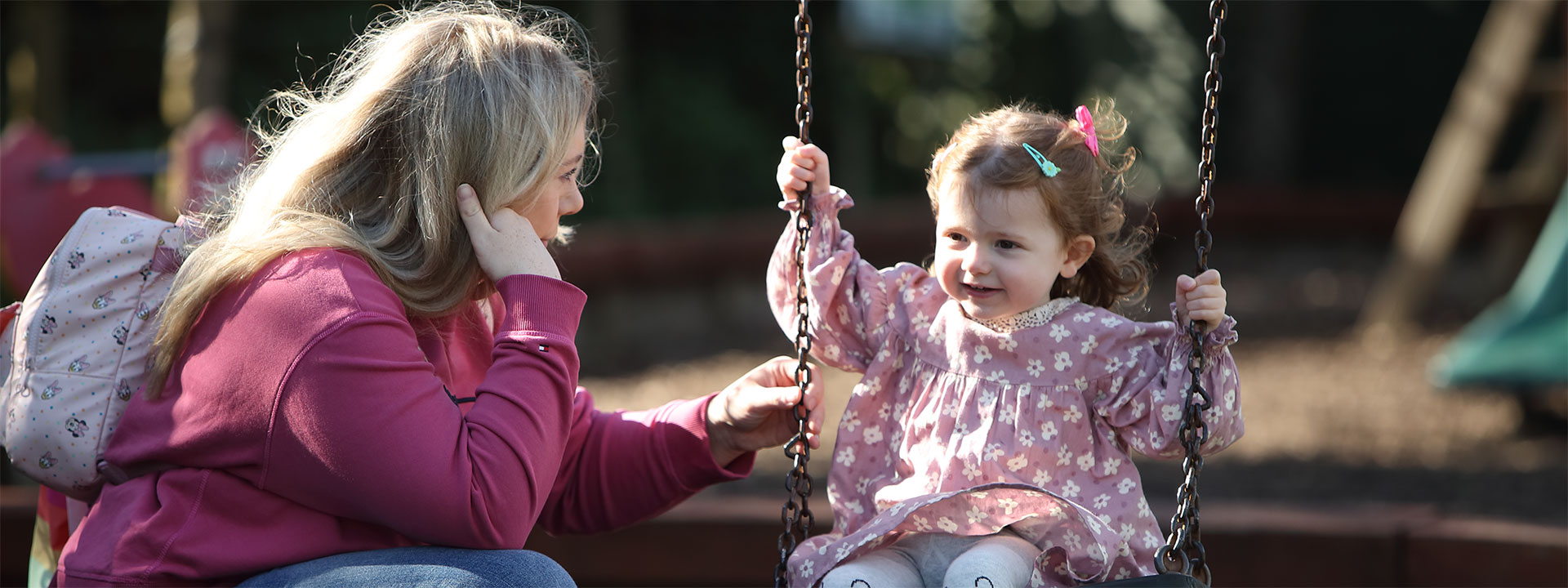
Useful tips for parents and carers: How to support a young child living with JIA
With the right treatment and support, your preschool child should feel like they’re able to do the activities they enjoy. For some children, once they’ve started treatment, it might even be difficult to tell that they have JIA. Despite this, children living with JIA may need extra support and here are some tips to help you support them.
Practical tools can help
Arthritis UK's My Arthritis app is a free app developed by experts to help you to manage your child's condition. With it, you can track your symptoms, monitor their lifestyle habits, and build long-term strategies for better health. It is totally free to download and use and is available on Apple and Android.
Set up appointment and medication reminders on your phone, or write them in a diary or on a calendar so that you don't miss any medical appointments or check ups and order repeat prescriptions on time.
Keep active
Exercise is one of the best things you can do to improve symptoms of arthritis and there are easy ways to build healthy habits and movement into your child's daily routine such as going shopping or walking to school. How to include exercise in your family's routine.
Looking after the whole family
JIA doesn't only affect the child who has it. The whole family adjusts including brothers and sisters who may feel confused, overlooked, or quietly worried.
Siblings often notice that a lot of parental attention is focused on the child who is unwell, particularly around appointments and flares. They may feel jealous, sad, guilty about feeling jealous, or scared. Let them express all of these feelings without judgement. Tell them, in terms they can understand, what JIA is and that it is not catching. Involve them in small ways if they want to help such as packing a hospital bag, choosing a distraction activity for their sibling.
Keep their routines as normal as possible: their own hobbies, friendships, and school life matter. Don't put extra pressure on them to be "good" or to take on adult responsibilities. Watch for signs of stress such as changes in behaviour, sleep problems, withdrawal and talk to them if you notice anything new.
And please, look after yourself too. A JIA diagnosis is a big thing to carry as a parent. You do not have to manage alone. Our helpline team is there for parents as well as children, and peer support groups can be invaluable for hearing from other families who have been where you are now.

Managing JIA and coping at school
Your child's arthritis doesn't have to stop them enjoying school and doing well there. Some early planning, plenty of communication with teachers and listening to your child can make a big difference to how well you and your school manage your child's condition.
What is the outlook for children with JIA?
Many young people with JIA go on to live full, active lives. Many go on to enjoy sports, pursue their hobbies and have busy careers. Some children go into medicated or non-medicated remission where their condition is not active. JIA is not a ceiling on what your child can achieve.
Stay positive and connected
It helps to connect with others who understand. Our Young People and Families Service, the Arthritis UK online community, and organisations like CCAA, NRAS, and JIA at NRAS, can connect you with families who have been through this and come out the other side.
Keep a symptom or flare diary, noting when symptoms are worse, what seems to help, how energy levels fluctuate. The My Arthritis app can support this. This information is also really useful to share with the medical team at appointments.
Use our website at arthritis-uk.org for reliable, UK-specific JIA information. Be cautious with general internet searches — information from other countries may not reflect how JIA is treated here, and it is easy to stumble into content that is frightening and not relevant to your child's situation.
Where you can get support
- Arthritis UK's Young People and Families Service are here to help. Contact the team.
- Parents and young people can call the Arthritis UK helpline, offering information, signposting, and a listening ear.
- The CCAA (Children's Chronic Arthritis Association) provide specialist support for children with JIA and their families; available in England, Wales, and Northern Ireland.
- JIA at NRAS, part of the National Rheumatoid Arthritis Society, offers information and peer support across the UK.
- Contact provides a listening ear service for parents of disabled children; available in England, Scotland, and Wales.
- SNAC support for families in Scotland.
- Starlight Children's Foundation resources to help children prepare for hospital visits and procedures.
- Sibs UK charity supporting siblings of disabled or seriously ill children.
- Young Minds / Barnardo's / Childline for mental health support for children and teenagers.
Books that can help: The Abilities in Me: Juvenile Idiopathic Arthritis by Gemma Keir; Alex the Kid: Talks About Juvenile Arthritis by Alexander Draper; Tosh's Island by Linda Sargent.
This article was written using information from Arthritis UK's diagnosis resources and shaped by the lived experiences of families affected by JIA. For personalised advice, always speak to your child's medical team.
Useful resources
-
Juvenile idiopathic arthritis (JIA)
Getting a diagnosis of JIA can feel confusing, and even a bit scary. But we're here to help you lead the life you want, your way.
-
Supporting a young person with arthritis booklet
Download our Supporting a young person with arthritis information booklet
-
Supporting a young person with arthritis booklet (Welsh)
Cefnogi person ifanc sydd ag arthritis yn yr ysgol