
Information for parents

Information for parents or carers of young people with arthritis
If your child has arthritis, looking after your child's general health will help them to manage their symptoms and reduce side-effects. It's particularly important to understand their treatment, encourage your child to eat a healthy diet and to exercise as much as their condition allows them to.
Treatment for JIA
There can be many different types of treatment for JIA. It's important to be aware of what medication your child is taking and to know where you can go if you have any questions.
Talk to your rhemumatology team
Your rheumatology team will give you information on your child's condition and their management plan. Write down any questions and bring them to clinic.
Make sure you have the contact details of your rheumatology team, especially the clinical nurse specialists, so you can call them if you have any questions or concerns that can't wait until clinic.
Contact your rheumatology team (again usually through the clinical nurse specialist) if you're concerned with your child's joints or other aspects of their health that you think could be linked to their condition. Get in touch if you have concerns with medications, including around side-effects.
Be organised with medical appointments
Being organised is important. There can be quite a few different appointments to manage. Recording these on a calendar, diary or phone is sensible. Keeping a file with all relevant letters in can be helpful.
It's helpful to call the hospital rheumatology department well in advance if you can't make an appointment.
Involve your child in their treatment
It's helpful for your child to become increasingly involved in their own treatment. As they get more independent, they may become less keen to exercise or take medicines, but this will most probably lead to problems.
Often, young people with arthritis will be more mature than their peers because of what they're having to deal with. Involve them in decision making: for example, you could encourage them to ask questions including in clinic. Make sure they understand the reasons for their treatment and the risks involved with stopping it.
Growing up also means moving from child- or paediatric to adult-centred care. This should be a gradual change towards attending hospital appointments on their own and becoming involved in making their own decisions about treatment.
Your child should begin a gradual move towards independence early, at around 11–12 years old. Remember, paediatric rheumatology clinics are safe places for them to start practicing communication and problem-solving skills with health professionals that they usually get to know well – these are all important for the world of work and adulthood.
As a parent who may have given up a lot to help your child through illness, it can be hard to let go. You need to be supportive and respect your son or daughter’s move towards adulthood.
One thing that parents often find difficult is letting their child spend time alone with their rheumatology team. It’s important to realise they have a right to confidentiality, and healthcare professionals will only break this if your child or someone else is at risk of serious harm. It may help you to talk this over with your hospital rheumatology team.
Give the rheumatology team feedback
Services usually ask for feedback every so often on how they're functioning and to improve the service as needed. However, other feedback (positive and negative) on issues as they arise can be very helpful to improve/protect aspects of a service.
Don’t be afraid to suggest how you would improve the service. Your comments can be useful evidence that an improvement is needed, which the health professionals in a service may be requesting.
Feedback (positive or negative) can be informal, by talking to the team members, or through patient experience teams, sometimes called Patient Advice Liaison Service (PALS). Usually their contact information will be displayed in clinic, but ask for this if it's not clear.
Feedback is very helpful for managers and clinical leads of a service. Remember the health professionals are all paid to look after your child and support you as parents/carers.
Remember that you’re not alone – your paediatric rheumatology team is there to help.
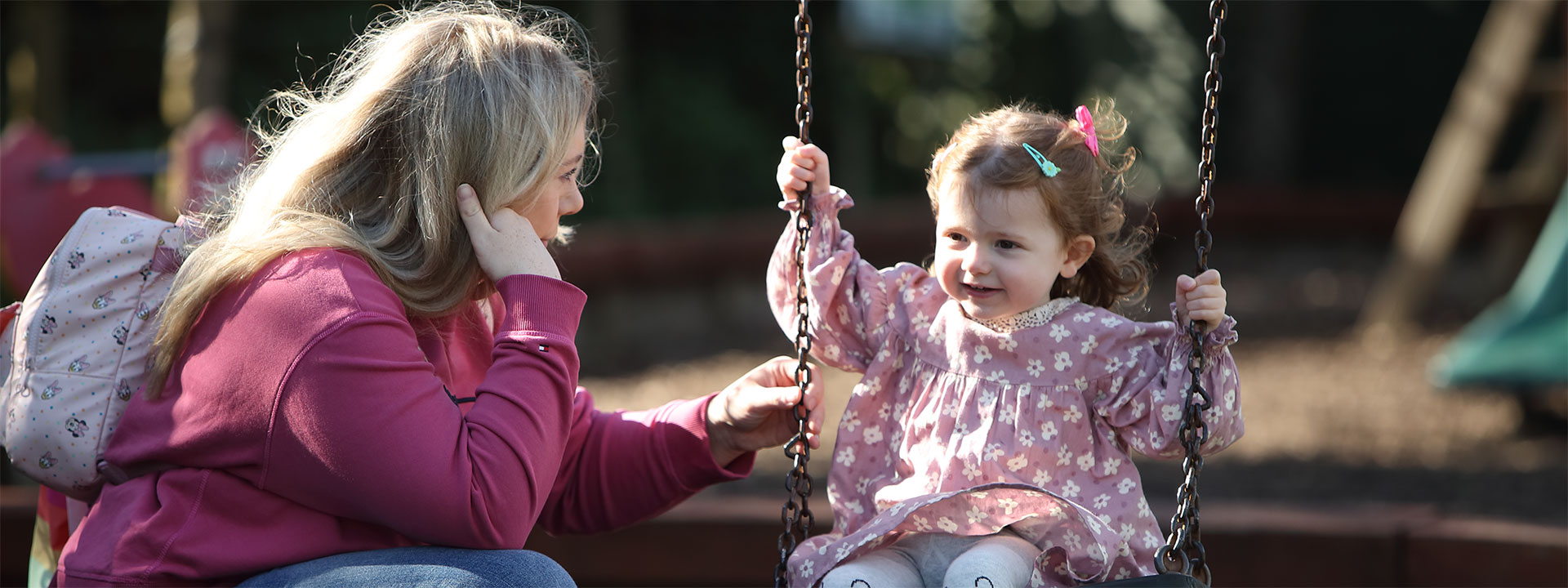
How to support a preschool child with JIA
With the right treatment and support, your child should feel like they’re able to do the activities they enjoy – whether that’s colouring in, going to the park or soft play. But young children living with JIA may need extra support and here are a few tips to help you support them.
Physical health
The importance of a healthy diet
It can help your child to manage their condition if they keep to a healthy weight. Being overweight can make symptoms of arthritis worse and can put extra strain on their joints. Your child will really benefit from a healthy, low-fat, nutritious balanced diet with plenty of vitamins and minerals.
Some children will be given steroids for their arthritis. These drugs can greatly reduce the symptoms of arthritis, such as swelling and pain, but they can lead to weight gain. This is another reason why it's important to watch what your child eats.
Vitamin D and calcium
Taking regular steroids can also leave some people at risk of developing a vitamin D deficiency. Vitamin D helps the body to process calcium, which is needed to develop strong, healthy bones. Making sure that your child has plenty of vitamin D and calcium is important for bone health.
The best way to get vitamin D is through exposure to sunlight. Guidelines vary on how much sunlight people should be exposed to and this will depend on your child’s sensitivity to sunlight.
Most guidelines promote around 10–15 minutes of sunlight exposure every day on bare skin, for example on arms and/or legs, without sun cream in the months of June to September in the UK. People with darker skin need more exposure to sunlight and more exposure is needed in the winter.
Be careful not to let your child's skin get red or burnt.
Oily fish (salmon, mackerel) are the best natural sources of vitamin D in food. Many products also have vitamin D added to them, including:
- cereals
- milk
- orange juice
- yoghurts.
Foods and drinks that have a lot of calcium include:
- dairy products (soya milk is the best source of calcium as a non-dairy alternative to milk)
- green vegetables such as kale, collard greens and broccoli
- certain nuts.
Many foods have calcium added, such as cereals and soy products.
Healthy treats
Finding the right balance of allowing your child some treats within a healthy diet is something that will come naturally to you as a parent. You don't want your child to feel like they are being punished.
Encouraging your child to eat plenty of fresh fruit and vegetables is very important. Healthy alternatives to fatty or sugary treats could include:
- dried fruit
- cereal bars
- yoghurts
- baked alternatives to crisps
- wholemeal muffins
- oatmeal biscuits
- carrot sticks and dip
- popcorn which is low in sugar and salt.
It's important to remember that while encouraging your child to make positive health choices is absolutely the right thing to do, some children naturally carry a bit of weight at different stages when they're growing up. So it's very important for your child's emotional well-being that while you instill a desire to be fit and healthy, you don't encourage them to be preocuppied about their weight.
Read more about eating well with arthritis.
Exercise
It's extremely helpful if your child exercises regularly. There will be days when your child won't want to exercise and there certainly needs to be the right balance between exercise and rest. But exercise is important for children with arthritis for a number of reasons.
It's very important for your child to remain a healthy weight and it's also very important for joints to be exercised every day, otherwise they can stiffen up. Regular exercise, particularly aerobic exercise, is very important as it can maintain a healthy heart. Susceptibility to heart conditions later in life is more common in young people who have inflammatory arthritis.
Exercise will also be good for your child's self-esteem, confidence and overall sense of wellbeing.
Here are some ways to help your child exercise:
- Be positive about the exercises and try to make them fun so they're part of play and not a chore. You may find that a star chart or special treats are helpful rewards for younger children.
- It's often easier to keep to a daily routine, so you may find a regular session at the same time every day works well. You could try doing them before a favourite TV programme.
- Stretches first thing in the morning may help to ease morning stiffness.
- Encourage your child to take part in sports. Any non-contact physical activity is good exercise, especially swimming, cycling, dancing and walking. Swimming and cycling can often be managed when impact activities are painful.
Read more about exercise and arthritis.
Encourage good oral hygiene
If your child's arthritis affects their hands and/or wrists, you should keep an eye on their oral hygiene as they may struggle to brush their teeth as thoroughly as they need to.
An electronic toothbrush is strongly recommended as well as alcohol-free mouthwash. Check that medications are sugar-free. It's sensible to always brush teeth after evening medications.
Get their eyes checked
Regular eye checks are important for young children with JIA as some can develop an eye inflammation called uveitis, which if untreated can damage their sight or even lead to a loss of vision. This is easily treatable with medication.

Managing your child's condition at school
Your child's arthritis doesn't have to stop them enjoying school and doing well there. Some early planning, plenty of communication with teachers and listening to your child can make a big difference to how well you and your school manage your child's condition.
Mental health
Arthritis can affect many areas of your life. It's important to look after your child's mental health as well as their physical health.
Talk about your child's condition
Your child will probably feel angry, scared and upset at having this condition at a young age. These feelings are natural, and a sympathetic ear, kindness and plenty of attention from loved ones can go a long way to help.
Caring and experienced healthcare professionals will also be on hand to help and to answer any questions. Encourage your child to ask you and their healthcare professionals questions.
It's important to take care of your own well-being too. As a parent, it can be a worrying time, so don't be afraid of discussing your worries with people you trust.
It's usually sensible to openly discuss your child's condition and management of their healthcare with them and the rest of your family. It can also be helpful to talk to another family who've been through the same experience. Discuss this with your paediatric or adolescent rheumatology team if you'd like the chance to do this.
Keep your routine
It's sensible to maintain rules around behaviours which a child/young person can control and to keep life as normal as possible when they're well. Special treats/allowing certain behaviours when unwell sometimes need to be stopped when well.
Being sympathetic and understanding of the difficulties your child is going through is very important.
If your child is frustrated at not being able to manage activities, involve them in thinking of alternatives which they would enjoy.
Address body issues
Persistent active arthritis can affect the growth of individual joints and overall height gain. Some drugs can cause visible side-effects.
Severe arthritis, and steroids, can delay puberty in some children. Girls may begin their periods and develop breasts later. For boys, facial hair and voice-breaking may be delayed. If you have any concerns about these side-effects, please discuss this with your rheumatology team.
Young people may feel anxious about developing relationships if they feel they look 'different'. Read our section on advice around relationships.
Most teenagers are very conscious of their bodies and body image, and want to be like their friends. These side-effects can be upsetting. Your child may need lots of reassurance and confidence boosts.
Paediatric rheumatology teams may have access to clinical psychologists who can support young people if these issues are on their minds, or you're worried about their mental well-being.

Arthritis Connect: Share your thoughts, tips and advice
So many people don’t understand what it’s like to live with a condition that can have such a huge but hidden impact on your life. But we do. One place you can always find a friendly ear or an answer to a question is our online community forum. Also available on an app for Apple and Android.
Socialising
Your child may find it difficult to tell their friends, partners or employers about their arthritis because they’re worried about bullying, negative reactions or being teased.
Practicing a simple phrase might help your child if they want to tell people about their condition or if they get asked questions. They could try: 'I have arthritis, which can make my joints hurt. Arthritis isn't just a condition that affects older people.'
If your child does have problems with teasing or bullying, talking about this can be a difficult but very important step. Many children are nervous to discuss this, even with parents/carers. They often worry that the situation will be worse if those involved find out that they've told someone. Listen calmly to your child, praising them for raising the issue.
You can help by discussing how to bring up the subject with your child's teachers if there are problems and how to respond to unkind comments or other actions.
Let your child know that school staff can help and make sure they know who to go to if they ever experience bullying. You should discuss the concerns with your child’s teachers immediately. All schools have a policy on how to handle bullying.

How to support your teenager as they grow up with JIA
Growing up brings many new issues for young people. Having arthritis can make these issues more challenging or complicated, and your teenage child may need your support through different experiences while managing their condition.
Useful resources
-
Supporting a young person with arthritis booklet
Download our Supporting a young person with arthritis information booklet
-
Supporting a young person with arthritis booklet (Welsh)
Cefnogi person ifanc sydd ag arthritis yn yr ysgol
-
Rheumatology resources
Explore these rheumatology resources and information about supporting organisations and groups.