
Information for schools
How your school can support a young person with arthritis
Having arthritis as a young person can make aspects of school life very difficult. But there are several ways that you as a teacher or member of school staff can help, and you could be the difference that means your student is happy and successful at school.
They may need some changes to their routine and physical environment. For the school, these relatively minor changes should be straightforward to implement, but for the young person the benefits could be huge.
By law, schools are required to make sure that having a condition like arthritis doesn’t put a young person at any disadvantage to their peers in terms of accessing their school or learning. There is plenty of statutory guidance for schools and support available to help you make any reasonable adjustments, including the possibility of financial support.
Having a rare and long-term medical condition like arthritis can be an isolating experience for a young person and it will likely affect their mental health.
We have worked with some fantastic young people to create this comprehensive guide to help key staff understand how to ensure a young person with arthritis has a positive time at school and is able to achieve their potential. The quotes throughout are genuine ones from the young people we worked with.

How does arthritis affect young people?
When children get arthritis, it’s called juvenile idiopathic arthritis (JIA). This is a long-term condition.
- Juvenile means it was diagnosed before the age of 16.
- Idiopathic means doctors don’t know what caused it.
- Arthritis means inflammation in a joint.
The main symptoms of JIA are:
- pain,
- swelling and
- stiffness in joints.
Commonly affected joints include those in the hands, knees, elbows, back, and feet. At times, it can be very difficult to move joints.
Young people with arthritis often experience fatigue. Fatigue is an overwhelming tiredness that can’t be cured with sleep or rest. It can make it difficult for your pupil to concentrate and this is sometimes referred to as ‘brain fog’.
JIA is an autoimmune condition. The young person’s immune system is overactive and causes unnecessary and harmful inflammation in joints and elsewhere around the body.
JIA is invisible and unpredictable. Your pupil may seem perfectly well one day, and then be stiff, exhausted, and in a lot of pain the next. The sudden worsening of symptoms is known as a ‘flare-up’ or ‘flare’.
“No day is the same; I may have a great, low pain day and feel like I can run a marathon, and the next day be unable to get out of bed due to the pain.”
In the UK, an estimated 10,000 children under 16 have JIA. The numbers of young people and adults living with JIA from 16 years of age is unknown. It sometimes takes a while for a young person to get an official diagnosis.
JIA is different from osteoarthritis, which affects around nine million people in the UK. Osteoarthritis tends to affect people from around the age 50 onwards, and is caused by mechanical changes and damage in a joint.
JIA and eye care
Young people with JIA can get inflammation in their eyes, known as uveitis. This is treatable, often with the same drugs used to treat their arthritis. They may also need eye drops.
Without treatment, uveitis can cause serious and permanent damage to eyesight, potentially even blindness. Uveitis could affect a young person’s eyesight in school.
JIA treatment in young people
If it’s not treated, JIA can cause long-term damage to joints. In JIA, the problem stems from an overactive immune system. Therefore, many treatments work by suppressing the immune system. This is the same principle in treatments for lupus, myositis, and scleroderma, which are also autoimmune conditions.
Methotrexate
Methotrexate is a drug commonly given to children with arthritis, and it can greatly improve symptoms. But, it can have side effects and make them feel very sick and exhausted.
Methotrexate is taken once a week and any side effects usually happen around the time it’s taken. So, your pupil may feel anxious and upset before they’re due to take it, and then feel poorly after they've taken it.
If a young person is experiencing side effects from their medication, they might need to take some time out in a quiet room, such as a school nurse's office if you have one.
“Meds are awful. They mess with your guts and some days I might need to step out of class to pop to the bathroom, or to get some air.”
If a drug isn’t treating their condition well enough, or is causing severe side effects, a child could be taken off it and their medical team could try something else. Therefore, your pupil could be on several treatments during their time at your school. They may be anxious when they change drugs, their condition might flare, or they could experience new side effects. Once someone is on the right drug for them, it can dramatically improve their health.
Good hygiene
Drugs that suppress the immune system can make a young person more likely to pick up infections, which can then be more serious. This makes it important that your school practises good general hygiene procedures, and strictly observes the rule that children with sickness or diarrhoea stay off for 48 hours.
Chickenpox
Chickenpox can be more serious for young people on drugs for arthritis. It’s important to let the young person and their family know straight away if there are any cases, especially if they may have been in contact with someone with chickenpox.
Sun care
Some drugs, as well as the arthritis itself, can make the young person more sensitive to the sun. In the summer term, it’s important they wear sunscreen. Ask the parents if this is an issue. If so, you might need to remind them about this, or younger children might need your help.
The importance of good communication
You’re not expected to be an expert in arthritis overnight. Having good two-way communication with the young person and their family is a great place to start.
If someone with arthritis is joining your school, invite them to look around and have a chat about how their condition affects them and what support they need. It’s important to keep this conversation going throughout their time at school.

It will help to write a care plan for the pupil, in consultation with the young person and their parents. These plans may have different names around the country, such as Individual Healthcare Plan or Individual Education Plan in Northern Ireland. The plan should contain information about their condition and medication, and how both could impact on their school life and education. It should set out the support they will need. It’s important the plan is kept up to date.
If you have access to one, your school nurse or community nurse should be able to help you write the plan, and you might be able to get input from the young person’s healthcare team. You could ask the parents if they can set this conversation up.
Your school may have its own care plan form, but we have developed a template with further information about JIA which you may find useful.
Ensuring that a wide range of teachers know about the young person and their needs can help. Problems have occurred in the past with staff outside of the young person’s core group of teachers, who weren’t aware there was a pupil with arthritis in the school.
“Sometimes I've used up every single ounce of energy to simply get into school.”
Young people don’t like having to regularly tell adults about their arthritis and the problems it causes, so raising awareness among your colleagues would help avoid this.
Providing practical help and understanding will make a big difference, and it’s best if you can make any agreed changes subtly, as they won’t want to stand out from the crowd. They also won’t want sympathy or pity.
School series in English and Welsh
You may find our school series playlist useful. Click in the box of in the top right hand corner of the YouTube player to explore the rest of the playlist.

Reasonable adjustments at school
There are ways in which you as a teacher or member of school staff can help a pupil with arthritis by making reasonable adjustments. A child may need some changes to their routine, the way they approach their learning or physical adaptations. Here are some suggestions to consider.
Time off school and keeping up with work
Young people with arthritis will probably miss more school days than their peers, due to medical appointments and their condition in general. If the young person has a bad flare up of symptoms, they might need a prolonged length of time off school.
Missing school can cause a huge amount of anxiety and worry, as well as affecting their education.
“When I am home from school with a flare up it’s not because I don’t want to be in school, I genuinely cannot move.”

Anything and everything you can do to help a young person keep up with their schoolwork will be greatly appreciated. The following will help:
- Communicate regularly with the young person, and make sure they have all lesson notes.
- Extend internal school deadlines where possible.
- Set the young person up with a remote learning provision plan at the beginning of term, in case they are unexpectedly off school suddenly for a length of time.
- Have an attendance awards scheme that doesn’t penalise missed days due to medical conditions.
- Talk to the young person before they are due to return to school, to agree a plan and address any concerns.
“At school, I would change the pressures on attendance. People would always get prizes for 100% attendance, and I’d get automated letters sent saying they were concerned about my attendance. This made me feel worse as I’d really struggle with missing school anyway and would always try to be in even when really unwell, so this made that effort feel like nothing.”
Mood and mental health
Unsurprisingly, a lot of young people with arthritis will experience a range of feelings such as anger, fear, isolation, depression, and anxiety.
Pain, fatigue, side effects of medication, and not being able to do everything their peers do, is a lot for young people to deal with. And having a rare condition like arthritis as a young person can be a lonely experience.
“It isn't just physically exhausting being in constant pain; it's mentally draining too.”
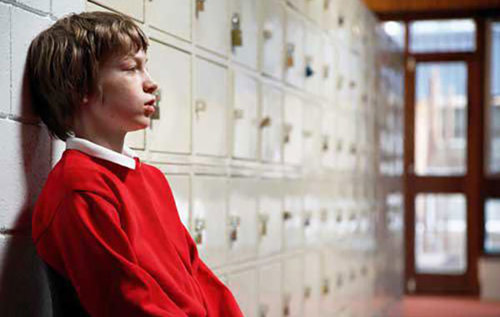
There is evidence that stress and worry can cause flares of JIA. It will help if you regularly check in with them, try to relieve any pressure, and be there to help and support in any way they want you to. It can be a massive help for them to have a nice, understanding, and supportive friendship group, so it’s worth keeping a discreet eye on that side of their school life.
The Anti-Bullying Alliance offer support and resources for schools
Young people living with long-term health conditions are more likely to have mental health needs. Some young people will be able to access specialist support through their healthcare teams, but this isn’t available in every area or there may be long waiting lists.
Young people might find it helpful to have a trusted staff member in the school they can talk to when needed. Maybe the school could help with access to a counsellor or a psychologist, if the young person and their parents want that to happen. Early intervention and support to tackle issues like bullying are very important.
Arranging school trips
When arranging a school trip, try to carefully consider the needs of the young person with arthritis. If you can, visit the area prior to the trip to reduce any risks and look at access into and around the venue.
Speak with the young person and their parents to tell them about the timetable and find out what they hope to get involved with. Make sure you know all about the medication they need to take, as well as how it needs to be stored.

Be creative with the activities and try to make the young person feel like they're not missing out. If there are physical activities, such as long walks or rock climbing that the young person might not be able to do, plan alternatives.
Make sure any transport is comfortable and plan regular breaks on journeys. The accommodation should have good access and possibly either bedrooms on the ground floor or lifts if needed.
Let the staff at the venue and any instructors know you have a student with arthritis. They may be able to provide alternative arrangements or equipment.
Exams and coursework
Some young people may need special consideration for exams, such as extra time or the use of a computer or scribe. This may require the student being in a separate room under exam conditions.
These accommodations need to be requested well in advance from the relevant examination board. The young person’s rheumatology team may be able to provide a letter of support.
If the young person finds writing and typing difficult, they may struggle with coursework. Talk to them about this in plenty of time before deadlines and see if there’s anything they need that the school can provide. Speech recognition software on a laptop, tablet or similar device may help.
Career aspirations
Your student might need some extra support and empowerment when thinking about career options. Statistics show that while young people with arthritis often do above average in education, they sometimes find it difficult to get their first job.
There’s a great deal that the school can do to boost the young person’s confidence and aspirations. Early work experience which matches their strengths and ensures success can:
- boost their self-confidence
- improve their CV
- help them realise their strengths and any areas for development
- give them realistic insight into the world of work.

Good careers advice for young people with arthritis will be a realistic and positive focus on what they can do, rather than what they can’t do.
Encouraging the young person to be ambitious and confident is important. There will be life skills that the young people will have developed through managing their condition that many of their peers won’t have – these may include:
- being organised
- being determined to overcome challenges and obstacles
- showing resilience
- thinking creatively to avoid or overcome problems.
It would be good to stress to the young person that these are skillsets that could be transferrable to the world of work which they could tell future employers about.
You can find helpful tips and guidance on starting work in our workplace guide for young people.
Expert help and support for your school
The physical limitations arthritis causes a young person can impact on their ability to learn, which means they can be considered as having a special educational need. Therefore, it will help to get your Special Educational Needs Co-Ordinator (SENCO) involved.
It might be possible to talk to the young person’s rheumatology team, such as a specialist nurse, physiotherapist, or occupational therapist. The parents may be able to set up such a conversation.
Your school nurse may be able to help or put you in touch with relevant professionals. For example, every local authority in the UK should have a community paediatric occupational therapist. It might be worth seeing if you can invite them into your school.
It will probably vary around the UK as to which healthcare professional will be able to help you, and it may at times feel like such external support isn’t apparent. Be persistent and talk to your school nurse and anyone else who may be able to help.
Please always remember that trained and experienced staff in the Arthritis UK Young People and Families Service are on hand to offer support and advice. You can email them at: ypfsuk@arthritis-uk.org

Request our arthritis school webinar
You can request an arthritis at school webinar at your school to raise awareness for arthritis in young people for teachers and wider school staff to have a greater understanding of JIA. The webinar will explain the barriers they face in school journey and how school staff can help the young people overcome the challenges they face.
You can be the difference

Life at school, just like life in general, can at times be tough for a young person with arthritis.
One of the worst things for any young person is to feel different from their peers. Arthritis can cause a sense of isolation, exclusion, and loneliness that can be just as bad, if not worse, than the pain, stiffness and fatigue.
Keeping up good two-way communication throughout your pupil’s time with you, means that you can tailor the support and care to their unique needs.
With the right support and understanding, having arthritis shouldn’t stop anyone from achieving their full potential and thoroughly enjoying their time at school. You could make that difference for your pupil.

Statutory guidance for schools: supporting students with arthritis
Schools are legally required to support young people with arthritis, so that their condition doesn’t put them at any disadvantage to their peers in terms of access to school buildings or the opportunity to reach their full potential with their studies. Here is the statutory guidance.
Our Conditions, Our Lives podcast
Our Conditions, Our Lives is a podcast for young people, by young people talking about arthritis and related conditions and how it affects their lives. In this podcast, you’ll hear from young people of all different ages across the United Kingdom with different musculoskeletal conditions. They share personal stories, what they’ve learned on their journeys so far and where they want to go next.
Other musculoskeletal conditions
There are other conditions that can affect young people’s joints, muscles, bones, and tendons – known as the musculoskeletal system.
Like JIA, these conditions can cause pain, stiffness, fatigue, isolation, and affect the young person’s mental health. Therefore, some of the content in this webpage should be helpful for your school when supporting a young person with one of these conditions.
Here is some top-level information and where you could turn to for further support.
- Lupus can cause inflammation in any part of the body. It’s an unpredictable condition that can cause lots of problems. Some of the more common symptoms are joint pain and swelling, skin rashes and fatigue. It can potentially cause inflammation in major organs, such as the kidneys, heart, lungs and the nervous system. For more information see: www.lupusuk.org.uk/lupus-in-young-people/.
- Myositis is the name for a group of rare conditions that affect the muscles. The main symptoms are weak, painful, or aching muscles. The main types of myositis are polymyositis, which affects many different muscles particularly the shoulders, hips and thighs, and dermatomyositis, which affects many different muscles and causes a skin rash. For more information see: www.myositis.org.uk.
- Scleroderma is when skin, either on the outside or the inside of the body, hardens like scar tissue. There are different types of scleroderma and the most common type that affects children is called localised scleroderma, which means that only the skin is involved. A very small number of children get systemic sclerosis, which can affect the skin and internal organs. For more information see: www.sruk.co.uk/scleroderma/scleroderma-children.
- Joint hypermobility is when someone has very flexible joints, which can cause pain and tiredness. It can affect balance and co-ordination and, in some cases, cause joint dislocations. Treatment involves improving muscle strength and fitness. For more information see the School Toolkit for joint hypermobility (JHS) and Ehlers-Danlos syndrome (EDS) and JHS: https://theshooltoolkit.org.
Related information
-
Rheumatology resources
Explore these rheumatology resources and information about supporting organisations and groups.
-
Supporting a young person with arthritis booklet
Download our Supporting a young person with arthritis information booklet
-
Supporting a young person with arthritis booklet (Welsh)
Download our Arthritis UK Political Rebrand Pack in Welsh