
Reasonable adjustments at school
Ways in which schools can support a pupil with arthritis
Getting around school
Arthritis can affect a young person’s ability to walk. They may find it difficult to get around school and feel vulnerable in busy corridors or on stairs. At times they may need to use crutches or a wheelchair. They will probably find it difficult to carry heavy bags.
“Being able to arrive to lessons 5 minutes late meant I could use a quieter set of stairs and avoid being trampled.”
If a young person with arthritis is struggling to walk between lessons in good time, it would be useful to have a gentle private chat with the pupil to look for solutions. Young people can get upset if they can’t keep up with their peers and get embarrassed coming into lessons late.
“My school is very spread out, so I will often be doing around 11,000 steps a day or more – which is super challenging to say the least! Having to walk this much between lessons is very painful and will often tire me out, which means that I will be less focused in the lessons as I am exhausted.”

The following measures have helped young people with arthritis:
- Schools have designed timetables to limit the amount of walking the student has to do and ensure they avoid busy corridors and stairs.
- Having one or two friends always accompany the pupil around school gives them practical and emotional support.
- Being able to leave books and equipment in a locker or classroom located near their classes.
- Having permission to leave class a few minutes before the end of a lesson, to help them get to their next lesson.
- Flexibility with uniform, such as wearing trainers that provide comfort and support.
- Being given passes to get around the school during lesson times.
- Being able to use a lift, if there is one in school.
- Handrails on both sides of stairs.
- Having duplicate books, so they can leave some at home and some in school.
- Digital resources for schoolwork, so they don’t have to carry books around.
Difficulty writing
JIA can affect young people’s hands and wrists. This can make writing even small amounts difficult and painful.
“I always feel pressured to keep up in lessons and when the class is finished writing I am still going and can’t relax.”
Some solutions young people told us about:
- Notes being available at the start of a lesson, so they don’t have to write everything down.
- Having a laptop, tablet or a similar device to work on.
- Taking photos of notes on a board.
- It would help if the young person faces the front of the class, so they don’t have to twist around to see things.
- Pencil or pen grips.
- Keeping the amount of writing to a minimum and if they have to write, giving them regular breaks.
- A sloped desk might help the young person, because the angle means they won’t have to lean over. Good overall posture when they are writing is important.
- Managing how much homework they are given, particularly written, so they don’t have too much to do in one go. Could a parent or another family member be a scribe for their homework if a task requires writing?
“Doing a lot of writing can cause issues and lead to me being out of action for days.”
Pain and stiffness
Pain and stiffness are among the most common and difficult challenges for a young person with arthritis.
Sitting still for too long is not good for someone with arthritis. It will help if they can get up, stretch, and walk around regularly. However, the young person may feel self-conscious doing this.
“When I am in pain sometimes it makes it harder for me to concentrate, so some fresh air would help.”
Talk to the young person about how they think this could be incorporated into lessons and into their day. The following might help:
- The young person being given errands to do, such as taking something to the office or to another teacher.
- Having a subtle and agreed way for the young person to let teaching staff know they’re in pain, maybe a card they could pass to the teacher, putting a badge on, or placing a particular item on their desk.
- Teachers could ask the whole class to stand up, move around and stretch at regular intervals to avoid the young person with arthritis feeling singled out and embarrassed. After all, it’s good for everyone to move around regularly.
Some school chairs might be uncomfortable for a young person with arthritis, particularly if they are small and hard. Sitting on the floor can be painful and difficult, and stools without back rests, such as those often in science labs, can cause problems.
“I struggled to sit on the stools in the science lab. I used to be quite sore after sitting on those.”
Talk to the young person about seating arrangements and what chairs are comfortable for them. Talking to the young person’s occupational therapist about this, as well as other aspects of school life, would help. Ask the parents if they can set up this conversation.
Pain and stiffness from arthritis is often worse in the mornings and some days your pupil may struggle to get in on time. They might find morning lessons difficult.
Cold environments can cause problems for young people with arthritis, as the cold can make pain and stiffness worse. Talk to your student about ways to avoid this being a problem.
“My Head of Year always made sure to check up on me, and if ever I told him I was in pain he would always see if I needed anything or he’d arrange help to get me home.”
There may be things the young person likes to do if they’re in pain. Talk to them and see if they can be accommodated. It might be they need to take some pain medication or rub pain relief cream into a joint and sit in a quiet room. Working out a plan for taking pain medication during school hours will be important.
Fatigue and brainfog at school
Overwhelming tiredness, or fatigue, is very common among young people with arthritis. The psychological aspects of this on a young person can’t be underestimated.
Young people also talk about ‘brainfog’ when they’re unable to concentrate. They can feel detached from what is going on around them.
“If you ask me a question when I have brainfog, you're most probably not going to get a very good answer.”
Having arthritis can make it difficult for a young person to get enough sleep, which can further affect concentration levels and mood.
If their fatigue is bad, the young person may need to rest in a quiet room. There’s no cure for fatigue, but good understanding, kindness, and trying to accommodate the young person’s proposed solutions will help.
PE and sports
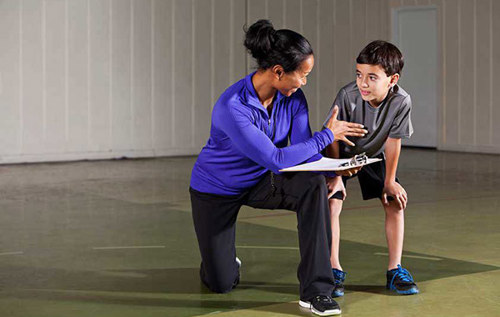
“I was given physiotherapy exercises from the hospital to help with hypermobility and JIA. My parents let the school know and my PE teacher worked my physio exercises into the warm up and warm down sessions. None of the other pupils knew so I didn’t feel singled out as it was something we could all do. It really helped me feel included and it meant I was getting the exercises done as well.”
Many young people with arthritis have told us about problems they’ve had with PE lessons. Sometimes they might not be able to do everything their classmates can. For example, physical contact sports and exercise in the wet or cold might not always be possible.
They might feel nervous and embarrassed at the prospect of doing physical activity in front of their classmates.
Young people with arthritis have told us they want to take part in PE whenever possible, at a level appropriate to them.
“PE was all or nothing. It was aimed at people with high level ability. I'm not going to be able to play rugby on a cold day. It could be lashing down with rain, and everyone had to go outside. If I tried to join in, I felt embarrassed if I couldn’t do it and I had to stop. I used to dread going to PE each week.”
Physical activity is a key aspect of managing arthritis well. For example, having strong muscles can take the strain off a joint affected by arthritis. The right type of exercise can help a young person stay flexible and have a good range of movement in their joints.
A young person’s arthritis can vary greatly from day to day. On days they can’t do PE, it would be kind to make sure they know they’ve not done anything wrong and not draw attention to them.
It would be good to make sports days accessible for all, and not put pressure on young people with arthritis to do more than they’re capable of.
"I remember having to choose five events I had to compete in at sports day – this wasn’t optional. Sometimes people with JIA can struggle with some sports. I performed really poorly which was embarrassing in front of so many people!”
An understanding PE department could be a huge help to a young person with arthritis. PE lessons can and should be positive experiences for a young person with arthritis and there are lots of ways that PE can be accessible to them. The best approach will involve talking to the young person to find out what is and isn’t possible.
Watch our short film on Physical Education:
Related information
-
Information for schools
Schools and teachers can do a lot to help young people with arthritis. Find out how to offer practical and emotional support for students with arthritis.
-
Statutory guidance for schools: supporting students with arthritis
Legal requirements for schools to support young people with arthritis so that their condition doesn’t put them at any disadvantage to their peers.
-
Individual Healthcare Plan (IHP)
Individual Healthcare Plan (IHP) England, Wales, Scotland / Individual Education Plan (IEP) template
-
Top tips for managing arthritis during exam and revision periods
Read Natasha's top tips on exam preparation and check out our advice for teachers.