
Ginny's story: Rheumatoid arthritis and fatigue
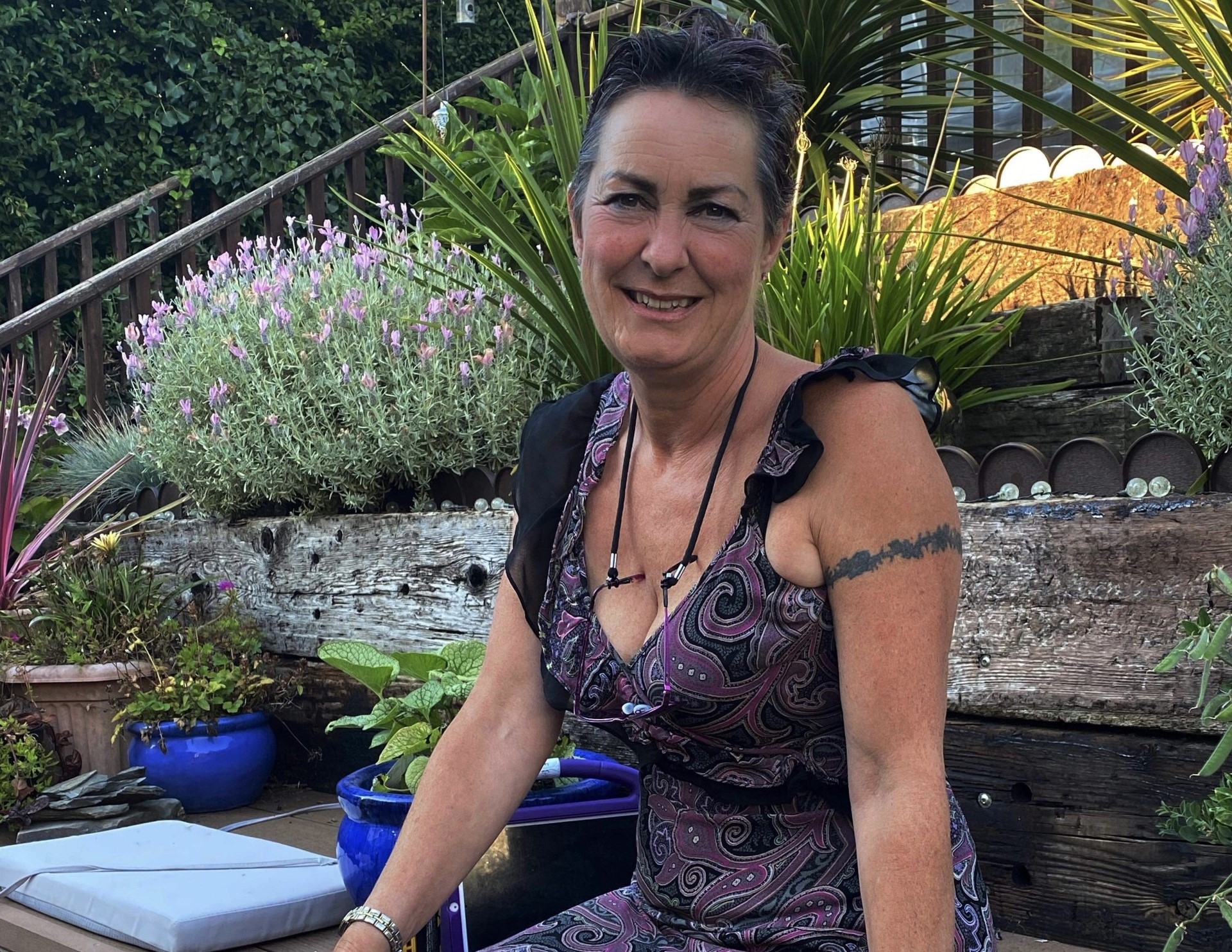
Ginny Helsen, 62, from Colwyn Bay started suffering shoulder pain and was quite quickly diagnosed with rheumatoid arthritis. Flares also affected her wrists, neck, back and feet and she says the pain and fatigue ‘floored’ her.
Diagnosed with rheumatoid arthritis
Towards the end of 2018 I started getting what felt like trapped nerves in my shoulders and it was very painful so I went to the chiropractor but that didn’t help me at all. Then I went to my GP who basically diagnosed rheumatoid arthritis straight away as soon as I described my symptoms. I’d had a really bad year in 2017 and was interested to read recently that inflammatory illnesses can be induced by trauma.
I got a referral and quite quickly saw a rheumatologist who started me on medication but they had to figure out the level and the medication that suited me which took a while. The next three months I went through hell, I couldn’t do anything that meant sticking my arms out because it was agony, so overpoweringly painful in my arms, wrists and fingers.
It really floored me, the pain and the sickness due to the medication
Arthritis pain impacted physical and mental health
At the worst point everything came to a stop, I could hardly dress myself, my husband and daughter had to bring trays of food up to my room for me, it was miserable and, at times, I really did think that if this was my life, I didn’t want to live. It affected my mental health, I lost my confidence, I’m just so glad I’ve managed to pull out of that place.
They finally prescribed methotrexate which was a game changer, they also gave me naproxen twice a day and omeprazole but they made me lose my appetite. Six months later they added a biologic and that got me to the point where I could do everything I was doing before as far as freedom of movement. I also wasn’t in so much pain as long as I didn’t do something like carry heavy shopping bags or drive long distances which would leave me back in terrible pain.
Lack of understanding about fatigue
The other thing is I feel really fatigued a lot which is really frustrating because people don’t really understand, I don’t sleep well at night then once I’ve been up for five hours I desperately need a nap or I won’t be okay later. Two months ago I was diagnosed with ductal carcinoma, breast cancer and I’m good now but did decide to stop taking HRT and I seem to be managing the fatigue much better.
I did get a condition called Baker’s Knee a couple of times, when the synovial fluid between the joints leaks and creates a bulge leaving you in absolute agony. They don’t know what caused it, they think it’s related to the arthritis, but the hospital syringed it out and gave me steroids which was such a relief.
I still get shoulder flare ups but nothing like it was, at worst it aches. We have talked about possible surgery because the joint has eroded but, as I’m in remission at the moment, I’ve told them to put someone ahead of me on the waiting list.
Importance of information and support
I’ve got no real complaints about my diagnosis and treatment, I’ve been very impressed with my rheumatoid team who have a dedicated helpline and give me checks every three months.
I’ve had a good experience, I know plenty of people that have not.
When I first started researching my condition, Arthritis UK came up so I got in touch with the Facebook Group when I was newly diagnosed. Some of those people are veterans and they’ve been so helpful, it’s a really supportive group for people as they are getting to grips with arthritis.
Find out about
-
Managing fatigue
Why am I so fatigued and tired? Learn the difference between chronic fatigue or fibromyalgia and how to manage rheumatoid arthritis fatigue.
-
Mental health and arthritis
Living with a long-term condition such as arthritis can affect your mental health in many ways but, with the right support, it's easier to cope.