
Ask the sleep expert: "How can I sleep better with arthritis?"
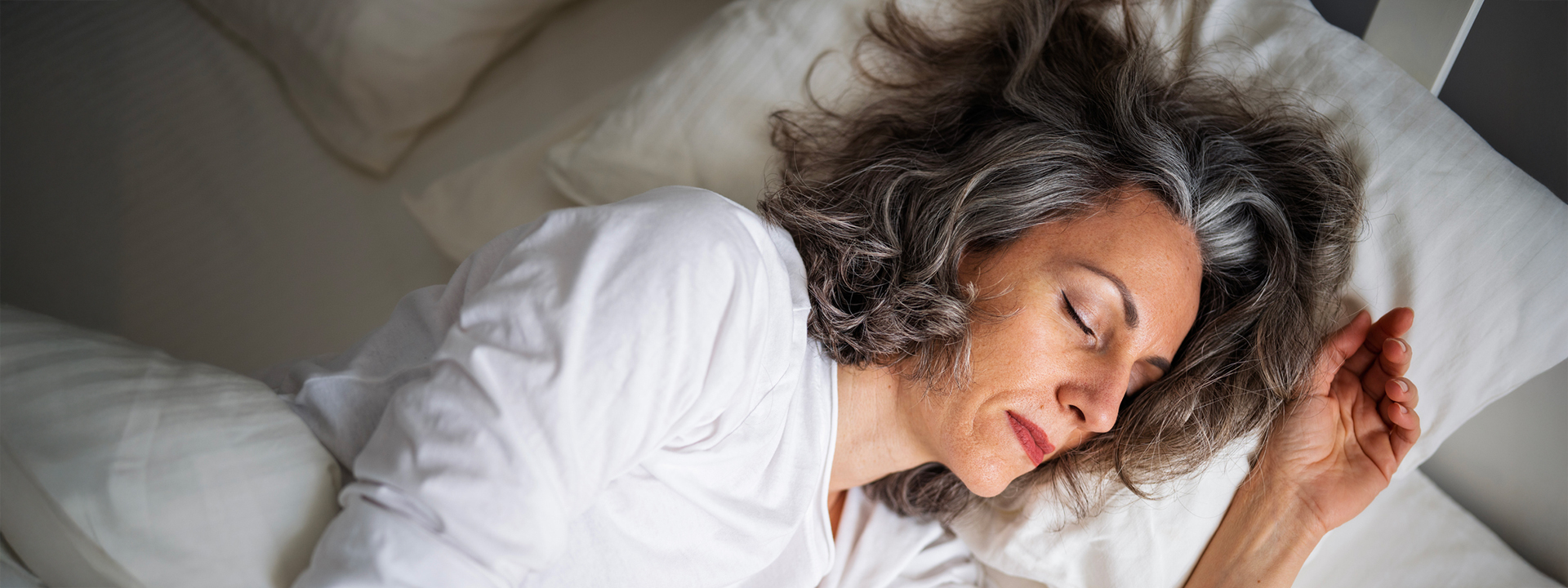
Most of us take a good night’s sleep for granted, but what if you have arthritis or a related condition and find it too painful to sleep? Here are some expert tips on how to get a peaceful sleep, so you wake up feeling more rested.
Sleeping with arthritis at night: Your questions answered
Sleep and pain are closely linked. Pain can make it harder to sleep, while poor sleep can make pain harder to manage.
Lisa Artis, Deputy CEO at The Sleep Charity, answers some common questions about getting a better night’s sleep with arthritis.
Remember to speak to your doctor if you need help managing your pain during the night, or if you are regularly suffering from disturbed sleep.
Q. What is deep sleep and why is it important for pain and inflammation?
A. Deep sleep is one of the most restorative stages of sleep. During this stage, the body carries out important repair and recovery processes, including supporting the immune system and restoring muscles and tissues.
Sleep and pain are closely linked. Poor or disrupted sleep can make us more sensitive to pain, while being in pain can also make it harder to sleep well. Ongoing poor sleep may also affect the way the body regulates inflammation.
Getting enough good-quality sleep, including deep sleep, supports the body’s natural recovery processes and may help us cope better with pain.
Q. How do I create a restful routine?
A. Take the time to wind down and do a relaxing activity you enjoy. For example, a soak in the bath, yoga stretches, crafting, meditation or breathing exercises.
Some people also find listening to sleep stories, using essential oils in a diffuser or pillow sprays helpful to help get to sleep.
The key to getting a good night’s sleep is routine,” says Artis. A routine will signal to the brain that it’s time for sleep. Having a warm bath and doing gentle stretches or yoga can help prepare your body for bed, while reading and playing calming music will help you to unwind.
Try to go to sleep and wake up at roughly the same time every day. Your body and mind will feel much better for it.
Find out how strengthing and stretching exercises can help your arthritis.
How can screens affect sleep?
A. Using phones, tablets, computers and TVs before bed can make it harder to wind down. It’s not just about the light from screens – what we are watching, playing or scrolling can keep our brains busy and alert when we need to be relaxing.
Try to create some screen-free time before bed and choose calming activities instead, such as reading, listening to music or an audiobook, or simply relaxing. Turning off notifications and keeping phones and other devices out of the bedroom can also help reduce distractions.
Q. Can light and noise affect my sleep?
A. Yes. A bedroom that is too bright or noisy can make it harder to fall or stay asleep. Blackout curtains, an eye mask, earplugs, or white noise may help reduce distractions and improve sleep quality.
Q. How do I get comfortable in bed?
A. There's a variety of ways to help make yourself more comfortable in bed.
For example:
- taking your pain medication about an hour before bed.
- having an electric blanket to warm the bed.
- using a hot water bottle
- closing the curtains or blinds to keep your bedroom dark
- trying a different type of mattress, mattress topper or memory foam pillows to give you better support where needed.
Q. How do I switch off before bed?
A. If you start thinking about your to-do list or worrying about something the moment your head hits the pillow, keep a notepad and pen in your bedside drawer and write down what is concerning you. This can help to clear your mind, making it easier to concentrate on getting a good night’s sleep.
Q. Does what I eat and drink before bed keep me awake?
A. You should avoid eating a heavy meal or drinking caffeine and alcohol in the evenings. If you want a hot drink at night, try a caffeine-free herbal tea.
Alcohol may help you fall asleep initially, but it can interrupt your sleep later in the night and affect some of the most satisfying stages of sleep, when dreams occur. You may also wake up dehydrated and needing the toilet in the night.
Q. Can exercise help me sleep?
A. Yes. Evidence suggests regular exercise during the day can help you sleep. You should try to do regular, moderate exercise during the day, but not too close to bedtime.
Exercise is also good for general wellbeing and for arthritis. You can learn more about exercising with arthritis on our website.
Q. Can my arthritis medicines or other medications affect my sleep?
A. Yes, some medicines can affect sleep. Depending on the medication, they may make you feel sleepy during the day or make it harder to fall asleep or stay asleep at night. The timing of when you take certain medicines can also make a difference.
Pain and other symptoms of arthritis can affect sleep too, so it may not always be easy to tell what is causing the problem.
If you think your medication is affecting your sleep, speak to your healthcare team. Don’t stop taking or change the timing or dose of prescribed medication without seeking professional advice first.
Further information
-
Sleep and arthritis
Learn more about the relationship between arthritis and sleep, and what you can do to manage it.
-
How to sleep better
Check out some top tips on how to get a restful, good night's sleep with arthritis.
-
Sleep and arthritis booklet
Read our online booklet on sleep and arthritis for a complete guide on sleep and arthritis.
Lisa Artis, Deputy CEO at the Sleep CharityWell known in the world of sleep, Lisa has over 10 years of experience helping families and children improve their sleeping habits. Before its merge with The Sleep Charity, Lisa previously headed up The Sleep Council, a not-for-profit advisory organisation dedicated to sharing sleep expertise with parents and young children. |
Last review date: September 2026
Next review date: September 2029