
Have you been diagnosed with JIA?
Here's what you need to know and what to do
So, you've just found out you have something called JIA which stands juvenile idiopathic arthritis. That's quite a mouthful. And right now, you might be feeling confused, worried, or just not sure what it all means.
That's completely fine. There's no right or wrong way to feel.
Here's the most important thing: JIA does not stop you from living a great life.
Loads of young people in the UK have it — about 1 in every 1,000 kids under 16. These young people are out there, going to school, seeing their friends and doing things they love. They are just living their lives alongside managing their arthritis. Many go into remission through medication and management which means their symptoms go away for a long time, sometimes for good.
This guide will help you understand what JIA is, what to expect, and how to look after yourself.
What is JIA?
JIA stands for Juvenile Idiopathic Arthritis. Here's what those words mean:
- Juvenile means it starts when you're young (under 16)
- Idiopathic means doctors don't know the exact cause
- Arthritis - a condition that causes inflammation and pain in your joints.
Your body has something called an immune system. It normally protects you from getting ill. With JIA, the immune system gets confused and starts attacking your own joints by mistake. This is what causes the pain and swelling.
It's not your fault. You didn't do anything to cause JIA. It wasn't from something you ate or a sport you played. And you can't pass it on to anyone else.
The different types of JIA
There are a few different types. Your doctors might tell you which one you have or it might take a little time to figure out:
- JIA in a few joints: This is known as oligoarthritis JIA and is the most common type. It affects four joints or fewer, often the knees or ankles.
- JIA that affects any joints: This is known as polyarthritis JIA. It affects five or more joints.
- Whole body JIA. This is known as systemic JIA. It affects joints and the rest of your body too. You might get fevers, swollen glands, or a rash.
- JIA in tendons and joints: This is known as enthesitis-related arthritis. It causes pain where your tendons (the stretchy bits that join muscle to bone) meet your bones, often around the heels, hips, or back.
- With a skin condition (psoriatic arthritis): JIA that is linked to a skin condition called psoriasis. This can affect fingers, toes, and nails. It is not contagious.
- Or a type that doesn't fit one type (undifferentiated).
Sometimes JIA doesn't neatly fit one group. And your type can change over time. Your doctors will keep an eye on things and adjust your care as needed.

First steps: Everything you need to know about JIA
JIA can cause pain or discomfort and make you feel drained but there treatments available and steps you can take to help you to stay well, to look after your health and control your arthritis symptoms.
What does JIA feel like?
JIA is different for everyone. You might have some of these, or all of them — and they can change from day to day.[ET4.1] It can also change from day to day. You might have some of these common symptoms:
- Joint pain aching or pain in your knees, ankles, wrists, or fingers.
- Swelling — your joints might look puffy or feel warm.
- Morning stiffness — feeling very stiff when you wake up. This usually gets better once you start moving around.
- Fatigue or extreme tiredness — this isn't just normal tiredness. It can feel like your whole body is drained, even after a good sleep. Some people call it "brain fog". It's very common with JIA.
- Restricted movement — some joints might be harder to bend or move than before.
JIA often has good days and bad days. When the arthritis is at its most active your symptoms might be worse. This would be called a flare, and you might need some help to manage the flare and to calm things down.
One important thing: JIA can sometimes affect your eyes, even with no symptoms. That's why you'll have regular eye tests. Please go to them, even if your eyes feel completely fine.
Will it get better?
This is probably what you most want to know. The honest answer is: it's different for everyone.
There's no cure yet, but JIA can be treated really well. The medicines and support available today are much better than they used to be. Research into arthritis in young people is an active field, and if you are interested in research, you could get involved with our young people’s research group, Your Rheum.
Treatments can help you achieve remission where the arthritis calms right down or stops completely. Sometimes this lasts for years. Sometimes it's permanent.
The aim of your treatment is to keep inflammation low, protect your joints, and help you feel as well as possible so you can get on with your life.
What treatment will I have?
Your doctors will work out the best treatment for you. You might be offered some of the following:
Medicines
The main way of managing JIA. There are a few different types:
- Pain and swelling medicines NSAIDs like ibuprofen — help you feel better in the short term
- Slower-acting medicines DMARDs like methotrexate — these calm down the part of your immune system that's attacking your joints
- Newer targeted medicines called biologics — used if other medicines aren't working well enough
- Steroids — used to bring down bad flares quickly, as tablets or injections.
Some of these sound scary. But think of them like a dimmer switch for your immune system — they just turn it down a little, so it stops attacking your joints. They don't stop your immune system working altogether. You can still fight off colds and bugs.
Physiotherapy
A physiotherapist, or physio for short, helps you keep your joints moving and your muscles strong. Staying active is actually really good for JIA, even when it's a bit uncomfortable. Your physio will show you the right exercises for you.
Occupational therapy
An occupational therapist, or OT for short, helps with everyday tasks like getting dressed, carrying your bag, or writing. They can suggest things that make your day easier.
At first, there might be a lot of appointments including check-ups, blood tests, physio. This is normal while your medical team find the right treatment for you and it does settle down over time.
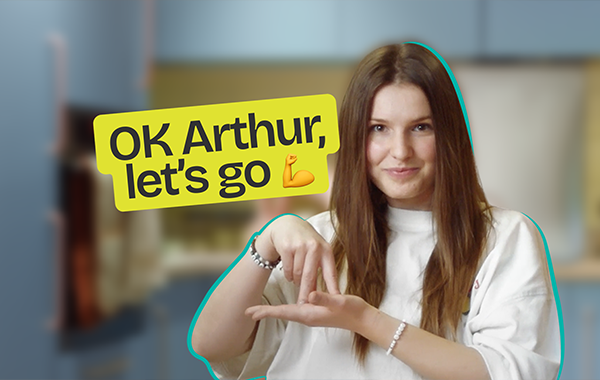
The Arthur Tut: A TikTok challenge created from arthritis physio moves
The Arthur Tut TikTok dance challenge features moves that help manage arthritis by encouraging a full range of motion and a healthy dose of attitude. Why not have a go?
What about school?
You can absolutely go to school with JIA. Your school should make changes to help you. These might include:
- Being able to move around or stretch during lessons
- Extra time in exams if pain or tiredness affects your concentration
- Not having to carry a heavy bag
- Having somewhere warm to be instead of standing outside
- A later start if your joints feel really stiff in the mornings and you struggle to get up and get dressed.
Your doctors can write a letter for your school to explain what you need. Talk to a teacher you trust, or your SENCO (the person at school who helps students with extra health needs). Most schools want to help — they just need to know what's going on. If your school would like more information on how they can help you, we have information for schools.
To help you, you can share this useful Supporting a young person with arthritis at school factsheet with your school.
Can I still do sport?
Yes and actually, keeping active is one of the best things you can do for JIA.
Exercise keeps your joints moving and your muscles strong. It also helps your mood. Your physio will help you work out what's right for your body.
There might be some days when it's too much. And some movements might not feel right at certain times. But the idea that you need to rest all the time is a myth. Moving around helps.
Swimming and cycling are gentle on joints and work well for lots of people with JIA. But many young people with JIA also play football, dance, do gymnastics, run and all kinds of sports. Talk to your physio about what you want to do.
Any type of movement will help, such as walking the dog, helping in the garden, going shopping with family or friends or dancing to your favourite music. Try to keep active as much as you can.
What do I tell my friends?
You might worry that your friends will treat you differently, or that they won't understand. These feelings are totally normal.
You don't have to tell everyone everything. That's up to you. But most close friends will want to support you if you let them in. Being honest often brings people closer.
If you're having a hard day, it's fine to say "I'm not feeling great today" without explaining everything. And if someone is unkind about your JIA, that's their problem, not yours.
It can also really help to talk to other young people who have JIA — people who actually get it. Getting involved in Arthritis UK’s Young People and Families activities are great for this.
Simple tips for every day
- Write things down
Keep a note of when symptoms are bad, what helped, and how tired you feel. This is really useful at appointments. The My Arthritis app makes this easy. - Keep moving
Gentle movement helps, even on harder days. Ask your physio what to do during a flare. - Use heat and cold
A warm bath or heat pack can help with morning stiffness. A cold pack can help when a joint is hot and swollen. Ask your team what's best for you. - Take your medicine
Injections and tablets aren't fun, but your medicines are protecting your joints even when you can't feel them working. If you hate taking them or you're getting side effects, tell your doctor or medical team. There are often other options. - Stick to trusted websites
There's a lot of confusing stuff online about arthritis. Use Arthritis UK’s information for Young People and Families which is written for people in the UK and is checked by medical experts. - Remember you can ask for help
At school (and later at work), you can ask to do things differently and school will make changes called 'adjustments' because you have a medical condition. Don't be afraid to ask your teachers or headteacher for what you need.
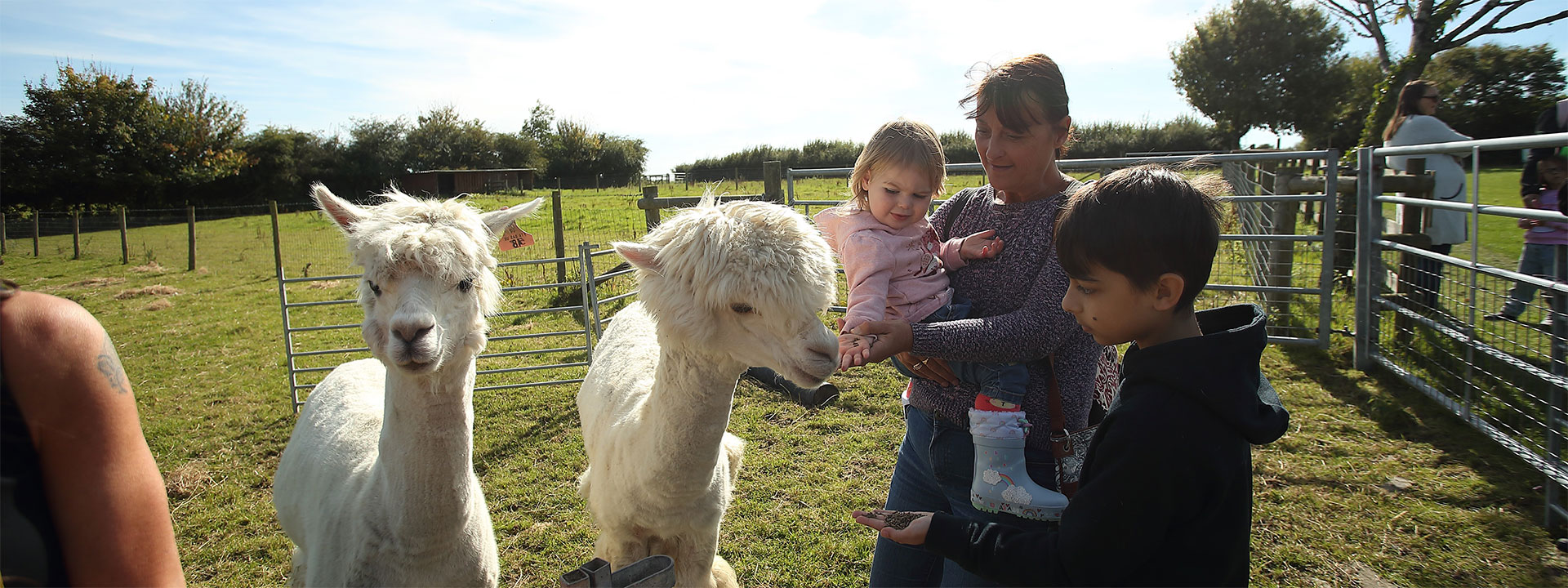
Living with JIA at home and at school
How to manage your condition at home and at school: keeping track of your symptoms and healthcare appointments, asking for changes or adjustments at school or college to help you thrive, dealing with exams and living your best life.
Looking ahead
Right now, JIA might feel like a huge deal. It's okay if it does. But as time goes on, most young people find JIA becomes just one part of their life, not the whole thing. You'll get to know your own body really well. You'll learn what helps, what to watch out for, and how to speak up for yourself.
When you're around 16–18, you'll move from the children's team to the adult team. Your doctors will help you get ready for that so it's not as scary as it sounds.
Lots of young people have been exactly where you are now and they've gone on to do the things they wanted to do. JIA is part of your story. It's not the whole story.
What if I'm finding this hard?
Finding out you have a long-term health condition is a big deal. You're allowed to feel upset, angry, or scared. But you’ll probably also have days when JIA barely crosses your mind.
Talking to someone outside your family like a counsellor can really help. Looking after your mental health matters just as much as looking after your joints.
If you're struggling with your diagnosis or living with your condition, tell someone you trust such as a parent, a teacher or your doctor. You can also reach out to our Young People and Families Service.
The Young People and Families Service at Arthritis UK is a friendly team of people who understand what you are going through and is ready to help and support you. We have lots of fun activities you can take part in and meet other young people with JIA.
Who can help
Arthritis UK's Young People and Families Service are here to help.
Connect with other young people living with JIA who are involved with Arthritis UK.
The Arthritis UK helpline. You call or message us for information and support. Ask our friendly helpline advisers your questions.
The CCAA (Children's Chronic Arthritis Association) support young people with JIA.
JIA at NRAS part of the National Rheumatoid Arthritis Society.
Young Minds for mental health support.
Childline — call 0800 1111 — you can call their helpline for free 24/7, any time any day of the week and your call is confidential.
If you like reading, here are some books that might help: Alex the Kid: Talks About Juvenile Arthritis by Alexander Draper; or Tosh's Island by Linda Sargent.

Connect with other people like you
So many people don’t understand what it’s like to live with a condition that can have such a huge but hidden impact on your life. But we do. One place you can always find a friendly ear or an answer to a question is our online community forum. Also available on an app for Apple and Android.
This article uses information from Arthritis UK's resources and the experiences of young people living with JIA. For advice about your own situation, always talk to your medical team.