
Do any foods make arthritis worse?

Foods that cause inflammation
There isn’t a specific list of foods to avoid if you have arthritis, but some foods are thought to increase inflammation in the body, so you might find your symptoms improve if you avoid or eat less of them.
These foods include:
- Sugar – can trigger the release of cytokines, which increase inflammation.
- Saturated fat – found in red or processed meat and dairy products. You don’t have to cut these items out of your diet completely, as they contain important nutrients that you need. But eating them less frequently or choosing low-fat options can help.
- Omega-6 fatty acids – found in vegetable oils, such as corn or sunflower oil. You need some omega-6 fatty acids in your diet, but too many can increase inflammation.
Are there foods to avoid with arthritis?
Some people feel that certain foods are bad for arthritis and that cutting them out helps with their symptoms. Some of the foods people worry about include:
- citrus fruits, such as oranges, lemons and grapefruit
- vegetables from the nightshade family including potatoes, tomatoes, peppers, chillies and aubergines
- gluten, a protein found in pasta, bread and cereals.
There’s no evidence that diets where certain foods are cut out, also known as exclusion or elimination diets, are helpful for people with osteoarthritis. They have been shown to sometimes help people with rheumatoid arthritis, though the food that may cause symptoms is likely to be different for each person.
This could be for a number of reasons, including the person being allergic or intolerant to the food they cut out, rather than being directly related to the arthritis. If healthy foods are not affecting your symptoms, you don’t need to cut them out of your diet.
If you want to try cutting certain foods out of your diet to see if it improves your symptoms, the important thing to remember is to speak to a doctor or dietitian first. They’ll be able to support you and make sure you’re trying out the change to your diet safely. Some foods are present in things we don’t realise, so they can also help make sure you really are cutting out everything you plan to.
Food allergies and arthritis
Some people believe that allergies or intolerances make the symptoms of conditions, such as rheumatoid arthritis, worse. However, there’s no research to support this.
It’s possible for people with a type of arthritis to have food allergies or intolerances as well, so if you think this could be a problem you have, it’s important you speak to a doctor or dietitian. They’ll be able to help you work out what foods are causing a problem for you, through tests and supervised exclusion diets.
Do citrus fruits make arthritis symptoms worse?
Some people have reported that citrus fruits worsen their symptoms, particularly inflammatory types of arthritis like rheumatoid arthritis. However, there’s no clear link between citrus fruits and inflammation, so it’s probably fine for you to eat them.
In fact, there is some evidence that they can reduce the risk of inflammatory arthritis and they’re now thought to offer some benefits to people with arthritis in reducing their symptoms. It’s possible to have an allergy to citrus fruits, so if you notice worsening symptoms when you eat them, it might be worth speaking to your doctor to get further advice.
Is there a link between nightshade vegetables and inflammation?
Some people feel that eating foods from the nightshade family, also known as solanaceous vegetables, may make their arthritis worse. But research has shown that there is no link between inflammation and solanaceous vegetables.
It’s possible to have food allergies that are linked to the nightshade family, so if you’re concerned about this, we recommend you speak to a healthcare professional.
Nightshade vegetables – including potatoes, tomatoes, peppers and aubergines – contain important vitamins and minerals that you need for a balanced diet, so we don’t recommend cutting them out of your diet without speaking to a healthcare professional first.
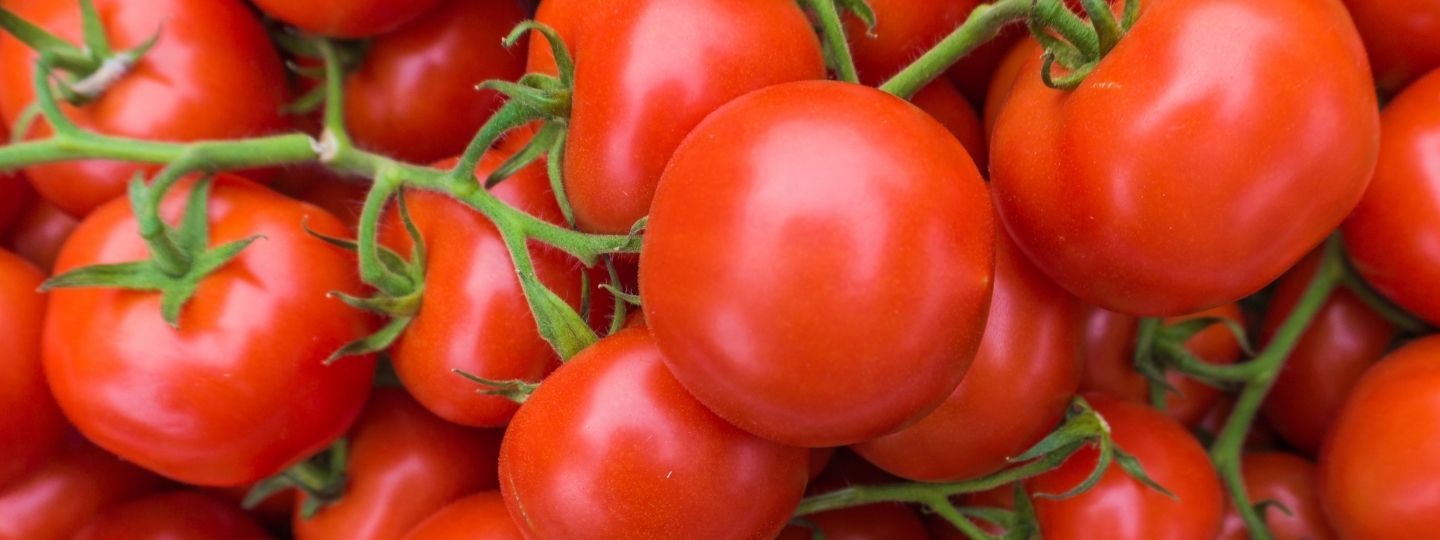
Fact or fiction: are tomatoes bad for arthritis?
Can eating too many tomatoes lead to inflammation and arthritis symptoms? There’s a persistent myth that tomatoes will make your arthritis symptoms worse. We examine the facts.
Should I cut out gluten, dairy or choose a plant-based diet?
Gluten is a protein found in foods such as pasta, bread and cereals. Many people with arthritis have concerns about a link between eating gluten and the symptoms of arthritis being made worse. But there is no research that directly links gluten to any type of arthritis.
Some people can experience problems with gluten including coeliac disease, allergy and intolerances, but these are very rare and you should speak with a doctor or dietitian if you are having problems.
Coeliac disease, which affects how the body absorbs nutrients from food, is an autoimmune condition. In this condition, the body’s immune system mistakes substances found in gluten as a threat to the body and attacks them. This can then cause damage to the intestines, which can make it harder to absorb nutrients from food.
There’s some evidence that if people have one autoimmune condition, they may be more likely to develop another. It’s also thought that people with Sjögren disease and other autoimmune types of arthritis may be at a slightly higher risk of developing coeliac disease.
If you have an autoimmune disease and are having problems such as tummy pain, diarrhoea or constipation, you may want to speak to your doctor or a dietitian to see if they can rule out coeliac disease or discuss other possible causes for your symptoms.
Some people say that a dairy-free diet helps their arthritis. However, research on this is mixed, so it’s worth seeing what works best for you.
If you feel unwell after eating dairy, you could be lactose intolerant. This means that you can't properly digest lactose, the sugar that's naturally found in milk products. If you're concerned about this, it’s worth speaking to your doctor.
Dairy products
Dairy products, such as milk and yoghurt, are packed with calcium. Calcium helps to maintain healthy bones, and if you don’t get enough calcium, it can increase your risk of developing osteoporosis. Many people with arthritis are at a greater risk of developing osteoporosis
If you decide to follow a vegan or plant-based diet, it can help you get more fruit and vegetables on to your plate It's important to make sure you get all the nutrients you need, particularly calcium, vitamin B12, vitamin D and selenium. Read our vegan diet tips.
Vegetarian and vegan diets
Many people choose to take up vegetarian or vegan diets for personal, religious, ethical, health or environmental reasons. Generally speaking, vegetarians don’t eat any meat or fish, and vegans don’t eat meat, fish, dairy, eggs, and other animal products.
There’s no evidence that avoiding foods such as red meat can help with rheumatoid arthritis.
Eating a plant-based diet has lots of health benefits, but it’s important to make sure you’re still getting enough nutrients and making sure that any substitutes for animal products are still healthy choices.
Some people find that a vegetarian diet does help with their symptoms but before you change your diet, you should speak to your doctor or a dietitian to make sure you’re still getting all the nutrients you need.
Healthy living
-
What is a balanced diet?
Important for your general health, a balanced diet involves eating a range of foods in the right amounts to stay healthy and maintain a good weight.
-
Managing your weight
Eating a balanced diet and being physically active can help you maintain a healthy weight and put less stress on your joints.
-
Diet and nutritional supplements
Diet changes and additional nutrients from food supplements can help people with inflammatory arthritis and osteoarthritis. Learn their uses and side-effects.
-
Dietitians and nutritionists
Dietitians and nutritionists provide personalised dietary advice around weight management and healthy eating habits but how do you choose who to see?