
Ask the doctor: Injury and osteoarthritis
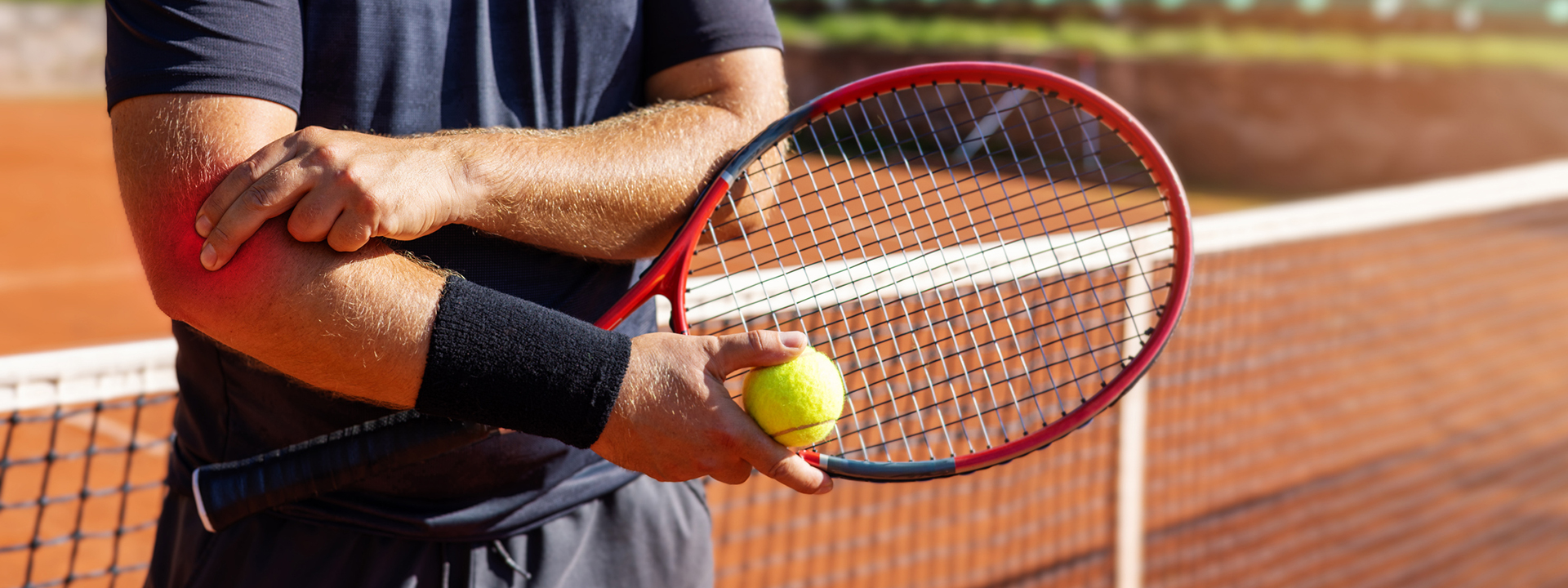
Sports injuries and osteoarthritis Q&As: your questions answered
If you've had a sports injury, you may be wondering what it could mean for your joint health in the years ahead. Dr Oliver O'Sullivan, an NIHR Academic Clinical Lecturer at the University of Nottingham and Specialist Registrar in Rheumatology and Rehabilitation Medicine, answers some common questions about sports injuries, osteoarthritis and long-term joint health.
Q. Can a sports injury increase the risk of developing osteoarthritis later in life?
A. Yes. Some sports injuries can increase your risk of osteoarthritis later in life, although not everyone who has a sports injury will develop it.
This has been seen in many sports, including football and other elite-level sports. People who have played sport at an elite level tend to have higher rates of osteoarthritis because of the demands of their sport and the injuries they experience.
The type and severity of your injury, as well as how well it heals, can all affect your future risk. Good rehabilitation and looking after your joints can help reduce that risk.
Find out more
Read our information about osteoarthritis, including its symptoms, diagnosis and treatment.
Q. Which sports injuries are most likely to lead to osteoarthritis?
A. Some injuries are more likely to lead to osteoarthritis than others. These include injuries to the anterior cruciate ligament (ACL), meniscus (cartilage) and fractures involving a joint.
A minor injury that heals within 6–8 weeks is unlikely to affect your long-term risk. More severe injuries, particularly those that need prolonged rehabilitation or surgery, are more likely to increase the chance of developing osteoarthritis later in life.
Different sports are associated with different injuries and different joints. For example, footballers are more likely to develop knee osteoarthritis, while basketball players are more likely to develop shoulder osteoarthritis.
Q. Why can osteoarthritis develop years after a sports injury?
A. A sports injury can lead to changes inside a joint that continue long after the injury has healed.
Some changes happen straight away. For example, a broken bone may heal in a slightly different position, or a damaged ligament may not regain its original strength. Other changes develop gradually, including ongoing low-level inflammation, changes in the way you move or walk, or reduced physical activity.
These changes can build up over time. For example, if pain makes you less active, you may lose muscle strength or gain weight. This can place extra strain on your joints and increase your risk of developing osteoarthritis.
Q. How can I tell whether my symptoms are due to osteoarthritis or an old sports injury?
A. It's not always easy to tell.
Osteoarthritis commonly causes joint pain, stiffness and difficulty using the affected joint. The pain usually develops gradually, lasts for more than three months and is often worse during or after activity. If these symptoms develop in a joint that you injured in the past, they could be a sign of post-traumatic osteoarthritis.
But joints can also remain painful after an injury without osteoarthritis being present. The self-management advice and exercises on the Arthritis UK website can still help in either situation.
If you're unsure what's causing your symptoms, speak to a healthcare professional. They can assess your joint and advise you on the most appropriate treatment.
Q. Will treatment and rehabilitation after a sports injury reduce the risk of osteoarthritis?
A. Yes. Good rehabilitation can reduce your risk of developing osteoarthritis after some sports injuries, although it cannot remove the risk completely.
The aim of rehabilitation is to restore the normal movement, strength and function of your joint as much as possible. This may involve physiotherapy, a structured exercise programme or, in some cases, surgery.
Rehabilitation often includes exercises to improve strength, flexibility, balance and muscle control, together with advice about pacing your activities, returning to sport safely and maintaining a healthy weight.
Following the advice of your healthcare professional and avoiding a return to sport too soon can also reduce the risk of further injury.
Find out more
Read our Keep moving and Looking after your joints guides for practical advice on staying active and caring for your joints.
Q. Should I stop running, playing sport or exercising if I'm worried about osteoarthritis?
A. Not usually.
Regular physical activity is one of the best things you can do for your joints and your overall health. It helps reduce your risk of conditions such as heart disease, stroke and type 2 diabetes, while also helping to keep your joints healthy.
Some sports, including football, rugby and skiing, are associated with a higher risk of osteoarthritis because they place greater demands on the joints and carry a higher risk of injury. This doesn't necessarily mean you need to stop taking part. You may want to think about ways to reduce your risk, such as improving your strength, using appropriate equipment or adjusting the intensity of your activity if needed.
Other activities, such as cycling and swimming, place less stress on your joints. Strength training, yoga and tai chi can also help improve joint strength, flexibility and balance.
Q. What can I do now to protect my joints after a sports injury?
A. Looking after your joints after a sports injury can help you stay active and may reduce your risk of developing osteoarthritis in the future.
Speak to your healthcare professional about your recovery, your goals and any concerns you have. They can help you decide what's right for you.
Most people will also benefit from:
- staying physically active with a mixture of strengthening, flexibility, aerobic and balance exercises. Aim for the UK Chief Medical Officers' recommendation of at least 150 minutes of moderate-intensity activity, or 75 minutes of vigorous-intensity activity, each week. Choose activities you enjoy
- getting enough good-quality sleep, as this supports your body's natural recovery processes
- eating a healthy, balanced diet
- stopping smoking, if you smoke, as smoking may affect joint health and healing
- maintaining a healthy weight, which reduces the load on your joints and supports your overall health.
Remember, a sports injury doesn't mean you'll definitely develop osteoarthritis. Looking after your joints, staying active and getting the right support can all help you maintain your joint health in the years ahead.
About Dr Oliver O'SullivanDr Oliver O’Sullivan is a NIHR Academic Clinical Lecturer and Specialist Registrar Rheumatology and Rehabilitation Medicine. He holds a Clinical Assistant Professor post at the University of Nottingham and works clinically within the NHS and Armed Forces. His research focusses on identifying and treating osteoarthritis in young, active adults, especially following injury, to improve their joint health now and in the future. |
Ready to move more?
-
Online physical activity session: Introduction to Physical Activity
Online physical activity session: Introduction to Physical Activity
-
Getting started with exercise
Top tips for getting started with exercise that doesn't always need special equipment and that you can do at home.
-
Let's Move with Leon
Let’s Move with Leon is a 12-week exercise programme of 30-minute movement sessions, presented by fitness expert Leon Wormley.