
Yvonne's story: "I learnt about aids, pacing and adapting and accepting help from people"
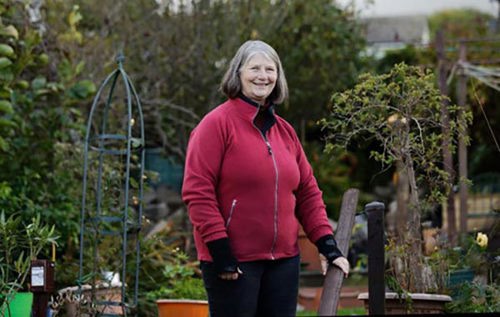
Diagnosed with arthritis at the age of 45, Yvonne retired from teaching because her pain levels soared. Referred to a joint protection course by her GP, Yvonne learned how to protect her joints and reduce her pain and found a new lease of life.
"With hindsight, I am sure my symptoms began in my early 20s. I was working as a teacher, but my symptoms kept gradually getting worse over the years. I had pain everywhere, I was stiff, I was aching, and I was muddled. By 45, I was finding teaching difficult, so I went to the GP for help. Sadly, I never went back into the classroom again.
It turned out that I had osteoarthritis in most of my joints, Raynaud’s phenomenon and fibromyalgia. Later, I also developed Sjogren disease.
When I took time out of the classroom, my pain levels soared.
"I kept a pain diary. It hurt to get out of bed, it hurt to stay in bed. It was just an awful time for me. Then my GP signed me onto a course, and it was my turning point."
The turning point
I realised I wasn’t alone. Lots of people in all age groups were just like me. It was like magic. This was where I learnt about aids, pacing and adapting and accepting help from people. Now, using joint protection, I could keep my joints as healthy as possible.
For me, joint protection is about making sure you use your body properly, so posture is important. It’s about lifting things safely. For instance, I often ‘cuddle’ things to get them from one place to another, like my milk container.
I don’t buy a 6-pint of milk because that’s too heavy and I also use a kettle tipper. The kettle is secured in a ‘cradle’ that can tip without me having to carry it.
I love gardening too. To make sure I pace myself, I listen to a podcast and only work for the length of the podcast. Then I stop or change to a task that uses my body differently. I also use splints to help my wrists stay safe and I have a box on wheels, which I can sit on while I work.
I’ve also adapted how I garden. Over time, we have built some raised beds. They are up to my knee height so I can sit on them.
Physical activity is so important too. I stay active by being in the garden, going out, tackling housework and being with my grandchildren. But I also do exercises that strengthen my knees, hips and shoulders.
I have a routine that I follow closely. After doing these exercises for two weeks, I started to feel the difference and I notice it when I skip them. Twenty years on from that desperate time, I feel great. I only have one joint replacement, I’m sure that the exercise has kept the joints going longer.
Yvonne's tips for changing your routine
I’d say that if you are new to joint protection, don’t try to do a million things at once. Just choose one thing you want to be able to do. Then, remember there are lots of people who have already tackled this problem – you don’t have to do it all yourself.
Ask around for ideas, use the internet, use health professionals and people like your occupational therapist. Take your time and then go for it."
Find out about
-
Joint care
Arthritis can damage joints and cause them to change shape. Find out about joint protection and how you can reduce the strain on your joints.
-
Aids and adaptations
Useful gadgets and home adaptations can help you to manage your arthritis. Find out how they can assist your everyday life.
-
Gardening
Some aspects of gardening can be tricky if you have arthritis. But there are steps you can take to continue to enjoy the benefits.