
Maisie's story: "Arthritis UK has created a real community for people who need support and may have felt isolated."
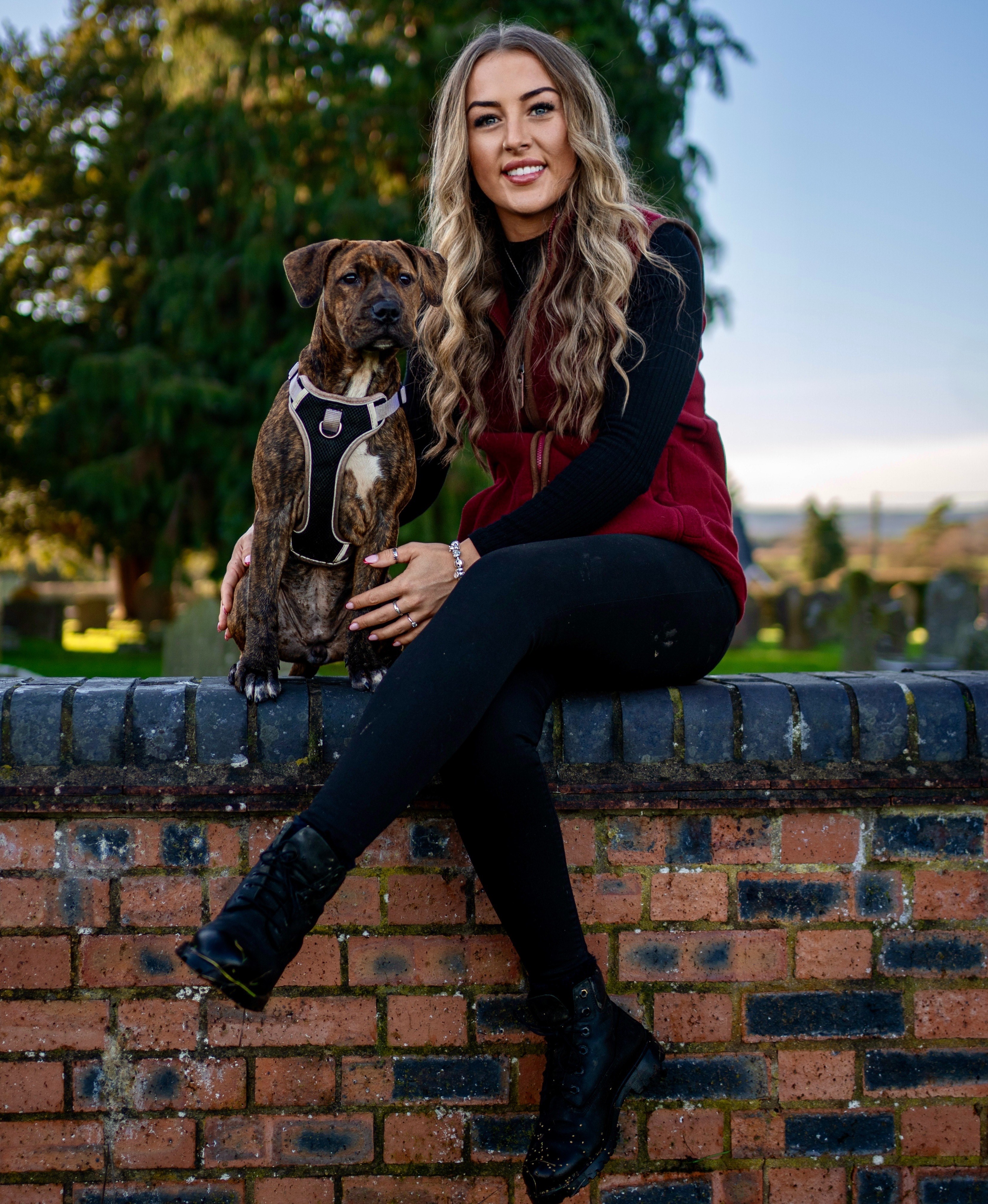
Maisie Cooke, 23, from Gloucester, was diagnosed with Juvenile Idiopathic Arthritis (JIA) when she was just two years old. After numerous medications, monthly infusions for the last seven years have been ‘life-changing’. She’s also had multiple surgeries and, last month, had her biggest operation yet after receiving a donor knee from the United States. She hopes her story will help others find positivity as they face the challenge of arthritis.
Growing up with JIA
"My parents recognised something wasn’t right when I was little because my joints were very stiff. They took me to the doctor many times and were told it was growing pains but they kept pushing and, eventually, I had further tests which led to a diagnosis of Juvenile Idiopathic Arthritis (JIA) when I was just two.
I’m told it was pretty bad, delayed my walking and there was lots of crying and struggling to settle. I also had splints for around a year when I was three or four to stop me ‘tip toe’ walking and stop me bending my legs at night so they didn’t seize up.
JIA affected my fingers, wrists, elbows, knees, ankles and toes and meant I had a lot of time off primary school. I’ve always been determined not to let arthritis stop me but it did get to the point where I would miss PE, which I loved, however, my teachers were really supportive.
School, treatment and learning to adapt
Secondary school was harder as hormonal changes caused flares. I did get badly bullied, I remember coming in on crutches and a group of girls tripping me up. It got to the point Mum had to go into school and drill into the teachers what arthritis meant because I’d even get detentions for wearing trainers, they just didn’t understand.
I missed the whole of year eight which was difficult and had to drop some GCSEs because I’d missed so many lessons I couldn’t catch up. I failed maths initially but retook it, got it and I’m now enjoying a career in health and social care as I’ve always enjoyed looking after other people.
I was given methotrexate from the age of seven but it was so disgusting, it got to the point I couldn’t take it so they started injections which were painful. I then moved onto sulfasalazine for a few years, tablets then an EPI pen but it wasn’t working so they put me on tocilizumab which helped but the EpiPen was so painful I was missing doses so I’ve been having infusions every four weeks through IV cannulation for the last few years which has been life-changing.
At school, I needed a scribe because I couldn’t write for my exams and had to drop GCSE PE because I couldn’t do it, but now I can write, I can go to the gym which has been great for arthritis and become a big part of my life, massively helping with my overall wellbeing.
Surgery, recovery and holding onto hope
The real problem now is that the damage to the cartilage in my knees is significant. I had a first operation in my early teens and, since then, think I must have seen every surgeon in the UK, some who have told me there’s nothing to be done which was difficult to hear.
I’ve had cartilage removal and micro fracturing, where they make the bone bleed to try and recover cartilage. It’s been painful and meant lots of A&E trips, crutches, braces and so many steroid injections. I was eventually referred to an exceptional surgeon at the Royal Orthopaedic Hospital in Birmingham who I’ve been seeing for three years and performed some surgeries.
In December, I had my biggest op yet, a knee graft from a donor in America which is very rare, especially for someone my age. It’s left me with 30% of my own left knee and, currently laid up recovering. We don’t know what the outcome will be because of the arthritis damage but the hope is it will give me some stability and take the pressure off my right knee which is so damaged a donor knee isn’t even possible. But, my surgeon wanted to try everything possible before we look at knee replacement because, even though mobility would improve, it would not be what it is now on my best days.
"In December I had my biggest op yet, a knee graft from a donor in America which is very rare, especially for someone my age."
We’ve talked about cartilage grown in a lab to implant in my own knee but it’s like a flower bed, the cartilage is the plant but the arthritis is damaging the roots. Still, he keeps trying which is amazing and I can’t thank him enough.
Hope makes such a difference so I’m staying as positive as I can. I do have my moments and, recently, found myself asking ‘Why me?’ because the recovery process is pretty tough but I’m determined to rebuild myself and know that, with work, I will get stronger.
I do feel lucky that I have been able to have infusions which, I think, financially are probably a last resort. I’m also lucky I have such an excellent surgeon and the rheumatology advice line to hand because, for those who don’t have support, it’s difficult to get the right help and you often have to keep pushing.
Arthritis UK has created a real community for people who need support and may have felt very isolated. People sometimes struggle to understand arthritis, it can be an invisible condition, especially if you are young and that’s why Arthritis UK, the support, the information, the research and their campaigning, are so important.
I shared my story with them before and, having gained so much more knowledge and experience, I wanted to speak out again because I’d like to help make arthritis more visible. If speaking out can help change things for one person, I’ll feel I’ve accomplished something."
Find out about
-
Juvenile idiopathic arthritis (JIA)
Getting a diagnosis of juvenile idiopathic arthritis (JIA) can feel confusing, emotional, and even a bit scary. But you're not alone. We're here to help you lead the life you want, your way.
-
Young people and families
Advice and information for young people with arthritis, including how to ease your symptoms and tell friends about your condition.
-
Surgery
Learn more about the surgery options for people with arthritis, how it can help and what the recovery process involves.