
Mairi's story: "Arthritis shouldn't depend on where you live"
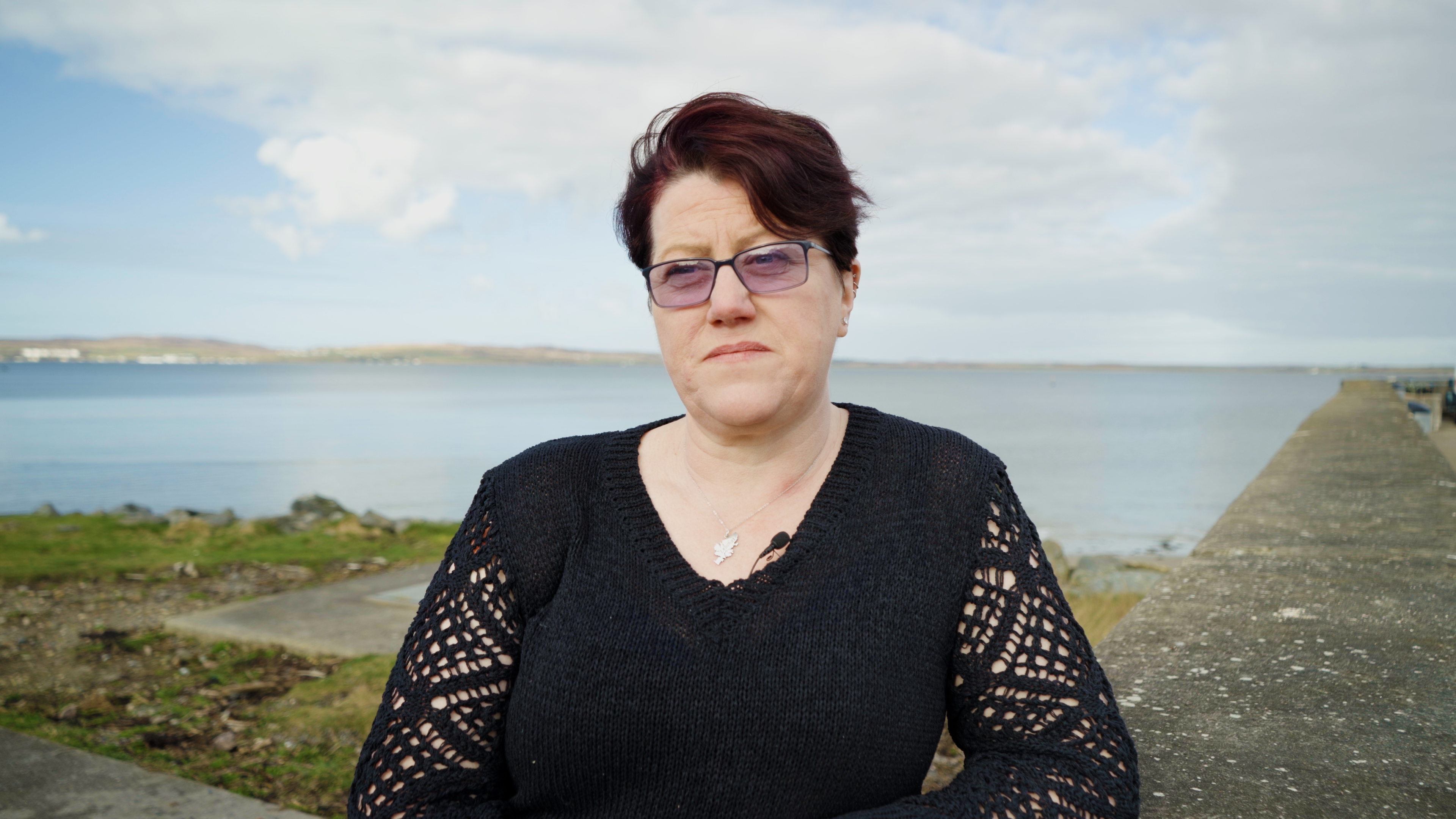
Mairi McKay, 51, from Islay off Scotland, was diagnosed with osteoarthritis in her early 30s. She says living on an island made it challenging to access the support she needed and, until recently, every consultant’s appointment or x-ray involved travelling for 10 hours and an overnight stay.
Age as a barrier to a timely arthritis diagnosis
I think my age had a lot to do with how long it took me to get diagnosed because I was in my early 30s when I began going back and forth to the doctors. The pain in my right hip and hand was especially bad and it made caring for four young children, all under eight at the time, incredibly difficult but, despite my insistence, I wasn’t taken seriously because of my age.
After a couple of years, I managed to see the doctor at my clinic who knew me best and they sent me for x-rays. As soon as they got the results they called to tell me they’d referred me to a consultant, saying, ‘No wonder you’re in so much pain, you’ve got arthritis.’
Arthritis as an invisible condition
Over time, my condition got worse and painkillers offered little relief. I also struggled as those around me didn’t realise how much arthritis, the pain and fatigue, was impacting my life because they only saw me on good days.
At one point I did think about getting a blue badge but while I struggle to walk some days, I could climb a mountain on others. The condition fluctuates so when they ask on the application if you can walk 100 yards I’d struggle to know how to answer. The benefits system really does need a better understanding of the changing nature of arthritis.
Although arthritis didn’t prevent me from my work as a teacher, I still faced challenges. I often don’t sleep properly because of the pain which impacts the next day. Arthritis has also impacted my crafting business as I have to take regular breaks and sometimes just don’t have the dexterity I need in my hands.
An 18 year wait for physiotherapy
Throughout it all, the one thing really lacking was information, I was never even given a leaflet so all I know about arthritis I’ve taught myself but I soon realised there is no ‘one size fits all’ solution. For example, I’d heard about the benefits of losing weight so lost three stone but got worse not better.
My only real information came from Arthritis UK. I went to their website when I was diagnosed and found it answered all the questions doctors didn’t: What is arthritis? Why have I got it?
But there’s only so much you can do alone and, three years ago, I was referred to another consultant because it was getting so bad. I’m on naproxen, which has helped hugely, but the biggest help has been physiotherapy to strengthen the muscles around my hips. It took almost 18 years for my healthcare team to offer it which is frustrating because starting sooner would have made a huge difference.
I’ve missed out on a lot, activities on holiday with my own kids, things I can’t do now with my grandchildren, just lifting the babies is painful. One of the biggest things for me was not being able to walk sometimes because I’ve always been a walker. Missing out did get me down sometimes.
Travelling for hours for consultant appointments
Living with arthritis is a challenge, but living with arthritis on an island with limited connections to the mainland adds an extra layer of difficulty. Until very recently my health appointments were on the mainland so every time I needed to see a consultant or have an x-ray it would be a two-hour ferry ride followed by a three-hour car journey. I’d have to stay overnight because I couldn’t do the round trip in one day.
Some expenses were reimbursed but not all and if the ferry was delayed I’d have to pay for another night in a hotel. The trips also cost in other ways, time away from my family, the mental burden of organising travel and accommodation and the physical aftereffects of travelling. Hubs at hospitals for people living on the islands would be transformative, a place to stay overnight for free with travel and accommodation arranged by the clinic.
They moved me to a Glasgow consultant two months ago which is so much easier, a flight there and back in the day which is fantastic.
Knowledge empowers, but support sustains
Looking towards the future with arthritis can feel challenging and when your team can’t agree on a best course of action it adds uncertainty. I was told I needed a hip replacement but recently they’ve said I’m too young so it’s frustrating.
I think that really illustrates how powerful knowledge can be. Advice suggested oat milk so I lived on the stuff but I’m dairy intolerant and didn’t know that it can cause inflammation. Nobody talks about how important food is. My biggest advice for anyone newly diagnosed is get information and help straight away, find a support group, talk to people on forums because they’ve been where you are now and have a wealth of knowledge that could change everything for you.
Find out about
-
Arthritis UK welcomes Timms Review recognition that PIP Is "not fit for purpose"
Arthritis UK applauds the Timms Review for acknowledging that PIP is inadequate. Discover how this recognition could lead to vital reforms for those with arthritis.
-
Financial support for people with arthritis
Find out what financial support is available to you if you have arthritis, including the mobility scheme, benefits, loans and credits.