
The Silent Treatment: Why an Arthritis Diagnosis Matters
The importance of an accurate, timely diagnosis
For many people living with arthritis, barriers to care are present right from the start, with many experiencing delays to a diagnosis. Without a diagnosis, people are without vital treatment and support that can have a long-term impact on their condition. Crucially, for people with arthritis, a diagnosis provides validation and the relief of finally being seen.
‘The Silent Treatment: Why an Arthritis Diagnosis Matters’ report brings together insights from people with arthritis and health professionals to highlight the barriers faced in achieving a timely and personalised diagnosis for arthritis conditions. The report examines the importance of a timely diagnosis, the damage caused by delays to diagnosis, and why personalised, holistic care is essential to enable people with these conditions to live well.

The Silent Treatment: Why an Arthritis Diagnosis Matters
This report brings together insights from people with arthritis and health professionals to highlight the barriers faced in achieving a timely and personalised diagnosis for arthritis conditions. It also identifies what matters to people with arthritis and what a ‘good’ diagnosis experience and conversation should look like.
"Urgent action is needed now to improve the rate and experience of diagnosis for people with arthritis."
Also available in Welsh
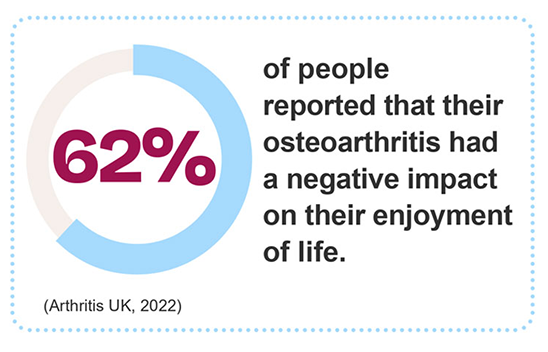
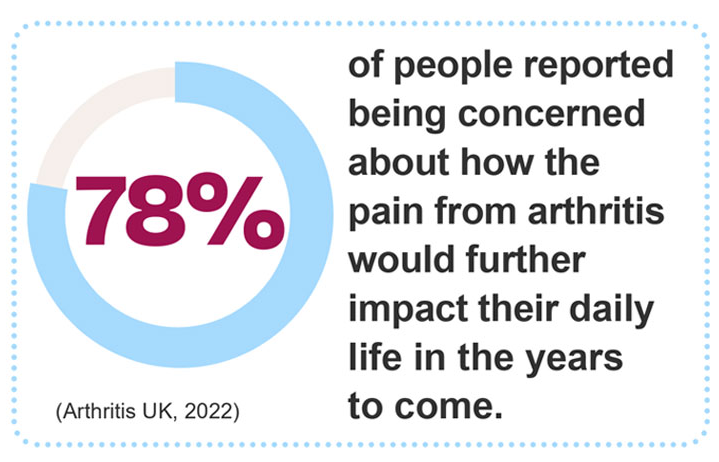
Key facts
|
The cost of a delayed diagnosis
A delayed diagnosis can have an impact on the individual, the health system and the economy. Delays mean that people are left without treatment and support, which can impact long-term outcomes for their condition and their reliance on the health system. Long delays can also result in deteriorating mental and physical health, which can also affect people’s ability to work.
Delays throughout the pathway
Despite the importance of a diagnosis, there are delays throughout the diagnosis pathway, beginning when people first experience symptoms. The limited societal understanding of arthritis and its symptoms means that people may downplay symptoms and delay seeking medical advice.
Once people do enter the health system, they may face additional delays. Despite the best efforts and dedication of health professionals, they are working in a stretched system that has not historically prioritised musculoskeletal (MSK) health. It means people’s symptoms may be missed, there are delays to diagnostic tests, referrals and appointments, and limited availability of health professionals and services to deliver the multidisciplinary support people need.

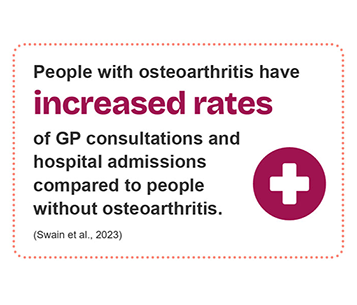
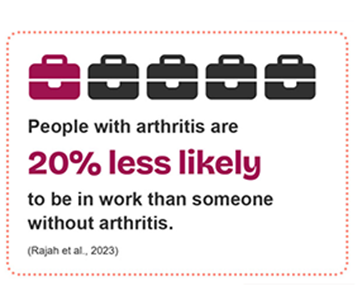
Key facts
|
A personalised diagnosis
Importantly, diagnosis is not just a medical process or conversation - it's also an opportuning to provide the reassurance, communication and personalised support to set people up for the road ahead.
The importance of a timely and personalised arthritis diagnosis is clear as it can make all the difference. We urge UK governments and national health bodies to take action in the following areas to make this a reality:
- Improve public awareness of arthritis symptoms to help reduce delays in people seeking medical advice.
- Strengthen musculoskeletal content as part of the medical curriculum and encourage training that improves health professionals’ ability to diagnose and care for people with arthritis.
- Improve collection and quality of data on musculoskeletal conditions in primary and community care.
- Prioritise the timely diagnosis of early inflammatory arthritis so everyone can access treatment and slow the progression of the condition.
- Ensure that NICE guidance for osteoarthritis is being implemented and equivalent guidance is developed in Scotland.
- Ensure people with arthritis are receiving personalised information, signposting and support to manage their condition as part of the diagnosis pathway.
- Embed third sector support into diagnosis pathways to help people live well.
- UK governments should consider conducting in-depth economic analysis on the total cost of delayed diagnosis for both osteoarthritis and inflammatory arthritis.