
Research Highlight of the Year 5: Sex differences in the immune system
Investigating how sex differences play a role in the immune system
Researchers uncover how oestrogen and sex chromosomes shape immune responses in arthritis.
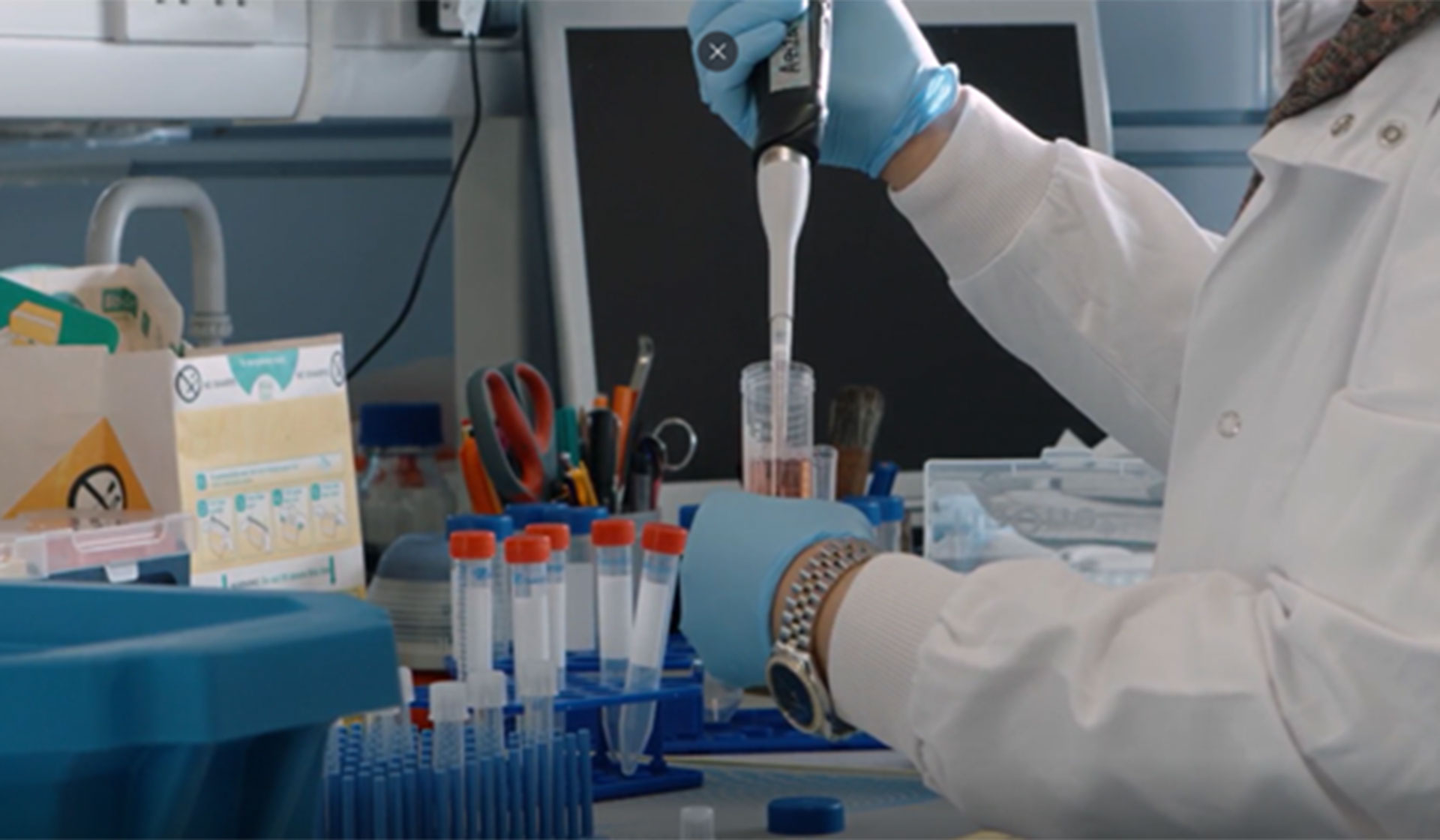
In a study led by University College London, researchers have investigated how sex hormones and chromosomes influence the immune system. They focused on a type of B cell that helps maintain long-term immune responses and may also cause inflammation.
They found that teenage and adult women (before menopause) have more of these B cells than men of the same age. The increase in these cells is only seen after puberty and before menopause, showing a link to the sex hormone oestrogen.
“By understanding these interactions, clinicians may one day be able to tailor treatments, such as immune-targeted therapies or hormonal modulation, for people with autoimmune diseases, according to the sex and gender of the individual, as well as their stage in life. This could help address health inequalities and improve outcomes.”
In menopausal women taking oestrogen-based hormone replacement therapies (HRT), levels of this cell were increased to levels seen in younger women. However, this increase with oestrogen treatment was not seen in transgender women, who have different sex chromosomes.
This indicates that both sex hormones and sex chromosomes work together to affect how the immune system behaves, which could influence why women are more likely to develop most types of arthritis than men.
“Our study lays the groundwork for inclusive research and hopefully more equitable and effective care."
This research was led by Professor Coziana Ciurtin and co-senior author Dr Lizzy Rosser, and carried out by first author Dr Hannah Peckham and collaborators. It was funded by Arthritis UK.
The other five research projects on our shortlist
Researching how socioeconomic inequalities can impact musculoskeletal pain and primary care.
Find out moreUsing immune cell health to track disease activity in juvenile idiopathic arthritis.
Find out moreUsing genes from nearly 2 million people to better understand the biology of osteoarthritis.
Find out moreDeveloping an osteoarthritis peer support intervention to help people facing socioeconomic disadvantage.
Find out moreInvestigating how changes in immune cells can help us understand what remission in rheumatoid arthritis really looks like.
Find out moreChoose your favourite research highlight
Vote now for your favourite research highlight sponsored by Circle Health Group!
Vote now