
Axial spondyloarthritis - Using zebrafish to understand how and why osteoarthritis develops
 |
How zebrafish are helping scientists understand the causes of osteoarthritis |
Related conditions: osteoarthritis, osteoporosis, axial spondyloarthritis
Project overview
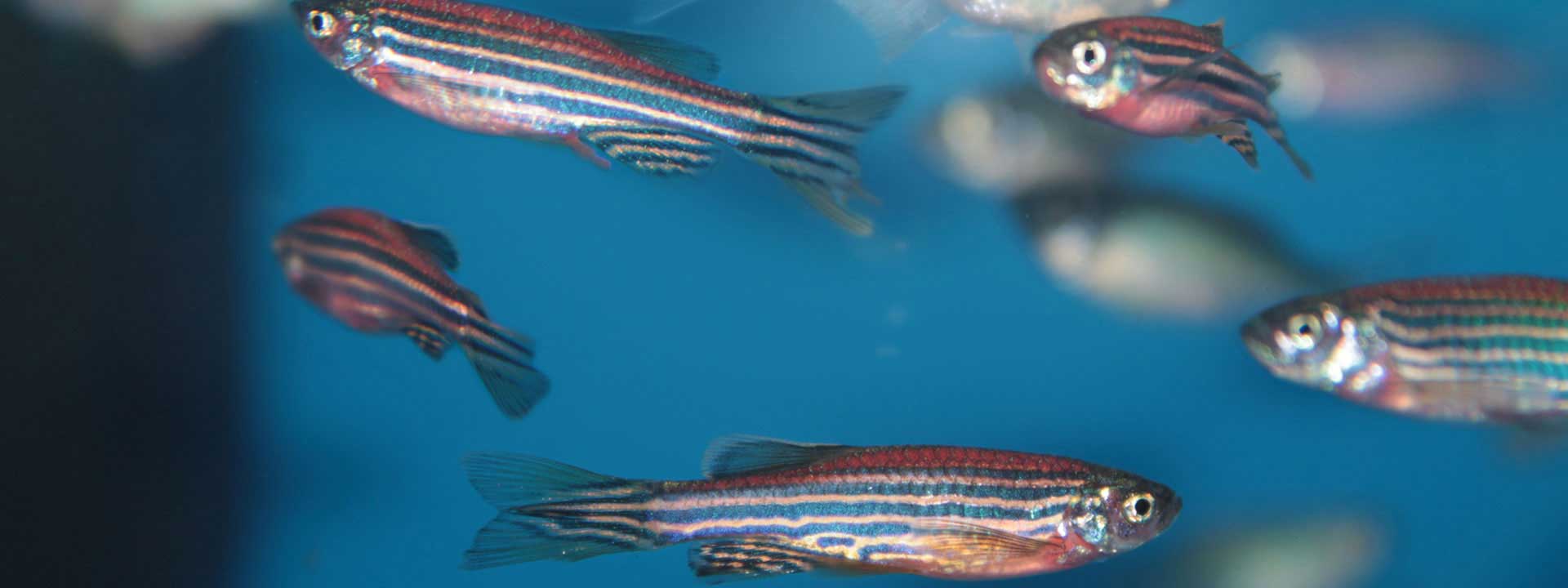
Researchers led by Professor Chrissy Hammond, Professor of Musculoskeletal Biology at the University of Bristol have pioneered the use of zebrafish for research into osteoarthritis and related conditions.
What are the aims of this research?
The aims of this research are to use zebrafish to understand how the changes in genes seen in people with osteoarthritis leads to development of the condition.
Why are we using zebrafish in arthritis research?
Zebrafish have surprisingly similar genes to humans. Using zebrafish allows researchers to test the effect of many different genes rapidly, which will help understand the effects of the genes on the skeleton, the immune system and the loading (force on weight-bearing joints) that comes from moving your joints.
These questions will be answered by changing genes in zebrafish, to the risk genes seen in people with osteoarthritis, then following the cell behaviour in the joints of living fish over time. This will allow a greater understanding of why these genes cause osteoarthritis and how they can be stopped or reversed.
"We use the zebrafish as a model because it combines excellent genetics with beautiful imaging possibilities, which allow us to study the development and repair of the skeletal system dynamically in vivo."
The research team will also work closely with pharmaceutical companies to work out how best to use zebrafish to test new treatments, and whether a more personalised approach can be used depending on which risk genes a person carries.
Why is this research important?
Human genetic studies have revealed many genes that increase the risk of developing osteoarthritis, but so far, this knowledge hasn’t led to any major advances in treatments. This is because there is still limited knowledge of what role each gene plays.
How will this research benefit people with arthritis?
The findings of this project have the potential to uncover new treatments for osteoarthritis and in the long-term, bring huge benefits for people living with the condition. Working alongside the pharmaceutical industry will help find and progress new treatments, in potentially a personalised way, by looking into treatment options that could benefit the individual patient depending on their genes.
What do we know so far?
You can read more about the zebrafish project and the work Professor Hammond is doing at the University of Bristol as well as their publications and project output to date.
About the research team
Professor Chrissy Hammond describes her research group's focus:
"Our group's research focuses on the regulation of cartilage and bone homeostasis in development and in disease states such as osteoarthritis, osteoporosis and Stickler syndrome as well as during repair and regeneration. We are particularly interested in the interplay between genes and environmental cues such as mechanical loading, diet, and metabolism."

Profile: About Professor Chrissy Hammond
Professor Chrissy Hammond, MBiochem(Oxon.), PhD(Lond.), is Professor of Musculoskeletal Biology at the University of Bristol. She graduated from the University of Oxford in 2002 with a degree in Biochemistry and moved to King's College London to study for a PhD. Find out more about Professor Hammond and her work.
ORCiD 0000-0002-4935-6724

Key research information
- Lead applicant: Professor Chrissy Hammond
- Organisation: University of Bristol
- Type of grant: Senior Research Fellowship
- Status of grant: Active
- Amount of the original award: £937,090
- Start date: 2 July 2018
- Reference: 21937

Osteoarthritis research: Hope for millions afflicted by osteoarthritis pain
A discovery led by researchers from the University of Leeds and Leeds Teaching Hospitals NHS Trust (LTHT), and funded by Arthritis UK, could offer hope for millions of people across the UK suffering with chronic pain and stiffness caused by osteoarthritis of the knee.
Axial spondyloarthritis: Your questions answered
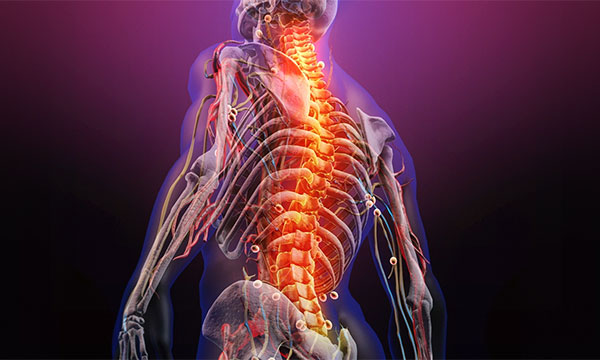
Axial spondyloarthritis (axSpA), previously known as ankylosing spondylitis, is a type of arthritis that mainly affects the back, by causing inflammation in the spine. In response, the body produces extra calcium around the bones of the spine which can make extra bits of bone grow causing stiffness in your back and neck.