
What is a balanced diet?
What is a balanced diet?
A balanced diet involves eating a range of foods in the right amounts, to stay healthy and maintain a good weight. Eating a balanced diet is important for your general health.
If you have a condition like arthritis, you might need to speak to your doctor or another healthcare professional for specific diet advice. The advice in the following section applies to everyone, regardless of their general health.
The food groups
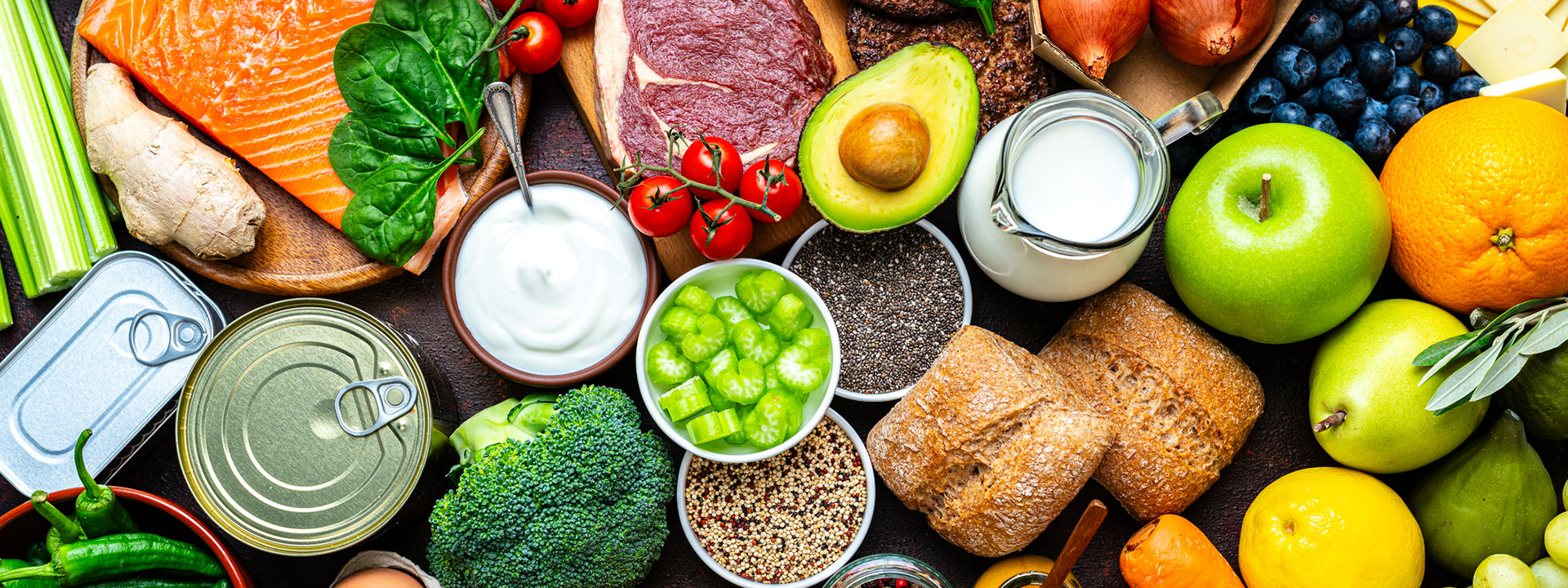
For a balanced diet, you should try to eat a range of food from the following groups:
- fruit and vegetables
- starchy foods, such as potatoes and wholegrains; bread, rice, or pasta
- foods containing protein, such as beans, pulses, meat, fish, or eggs
- dairy or dairy alternatives
- healthy fats, such as unsaturated oils and spreads.
Fruit and vegetables
Fruit and vegetables should make up just over one-third of the food you eat each day. They’re a good source of vitamins and some minerals that your body needs, as well as providing you with fibre which can help keep your digestive system healthy.
It’s recommended that everyone eats at least five portions of fruit and vegetables every day. It’s best to eat a variety of different types and to make sure that vegetables included in our diet, and not only fruit.
The fruit and vegetables you eat don’t need to be fresh – frozen, canned or dried fruits and vegetables also count, as well as juices. However it’s important to be aware that fruit juices contain large amounts of sugars and hidden calories, even those with no added sugar.
People who eat five portions a day are at lower risk of cardiovascular disease and some types of cancer.
The following all count as a portion:
- 80g of fresh, canned or frozen fruit or vegetables
- 30g of dried fruit
- 150ml glass of juice or a smoothie.
The NHS website has further information on what counts towards your 5-a-day.
Starchy foods
Starchy foods should make up just over one-third of the food you eat each day. Try to base your meals around these foods. These foods are our main source of carbohydrates, which are important for giving us energy.
Starchy foods include:
- potatoes
- bread
- cereals
- rice
- pasta.
Starchy foods can also be a good source of fibre – particularly wholegrain bread and cereals, whole wheat pasta, brown rice and quinoa. Take care when choosing cereals as they may have added sugar or salt. Eating the skin on potatoes will also provide plenty of fibre.
Fibre can improve the way our bodies digest food and help us to feel full, so these foods can be a good option if you’re trying to lose weight. Fibre is also useful at lowering cholesterol in your blood, which can reduce the risks of cardiovascular disease.
Foods containing protein
The body needs protein to grow, repair and function. Good sources of protein include:
- beans
- pulses
- eggs
- fish
- meat.
Eggs, fish and meat are all high in protein. Try to choose lean cuts of meat and poultry with the skin removed to cut down on saturated fat, and avoid processed meats such as bacon, ham and sausages.
Pulses, including beans, peas and lentils, are high in protein, fibre, vitamins and minerals and are also low in fat.
Dairy and dairy alternatives
Dairy products are good sources of protein and calcium, which can help keep your bones strong and healthy. Dairy products include cows’ milk, yogurt, cheese and kefir. Dairy alternatives, such as soya, coconut, nut, oat and pea milks are also good sources of protein, but always check the label to see if they are fortified with calcium and iodine.
Try to pick lower fat and lower sugar options where possible, for example semi-skimmed milk, lower fat hard cheeses or yogurts that are low in sugar.
Some dairy products can be high in saturated fat. The NHS website has a guide to choosing healthier dairy options.
Healthy fats – unsaturated oils and spreads
Not all fats are bad, and we need some in our diet to stay healthy. Most of the fat in our diets should be from unsaturated fats, such as olive oil and spread, and rapeseed oil. Foods containing high amounts of saturated fats, such as animal fats in butter, ghee, fatty meat, and cheese, should be avoided or reduced if possible.
Are there any foods I should cut down on?
Food and drinks high in sugar, such as fizzy drinks, cakes, biscuits, and some breakfast cereals, are linked to weight gain and tooth decay.
Eating too much salt can increase your blood pressure, which is linked to cardiovascular disease. An adult should only eat 6g of salt a day – but around three-quarters of this is already in food such as bread, soups and sauces, when we buy it.
Drinking enough fluids
You should try to drink enough water and other liquids as part of our diet – aim for at least 6 to 8 glasses a day. Water, lower fat milk, lower sugar drinks, tea and coffee all count towards this.
Keeping cholesterol low
Cholesterol is a fatty substance that can build up in the blood. High cholesterol can be caused by:
- eating fatty foods, especially saturated fats
- not exercising enough
- smoking
- drinking too much alcohol
- being overweight
- genetics – high cholesterol can run in families.
Cholesterol can block blood vessels, increasing the risk of problems with your heart. Foods such as fatty cuts of meat, sausages, cream, biscuits, and cakes can all cause high cholesterol. Some foods can lower cholesterol, and these include porridge, nuts, soy, such as tofu, soy milk and edamame beans.
You can also lower the cholesterol in your blood by eating healthily, losing weight if you’re overweight and exercising more.
Eating well with arthritis
-
Diet and nutritional supplements
Diet changes and additional nutrients from food supplements can help people with inflammatory arthritis and osteoarthritis. Learn their uses and side-effects.
-
How research is helping us understand how diet influences inflammatory arthritis
Discover how our researchers are using the Norfolk Arthritis Register (NOAR) to study how diet may influence inflammatory arthritis.
-
The positive impact of a healthy diet on your arthritis – What our research tells us
Research shows that small changes to our diet can lead to huge benefits for our health and wellbeing. These changes can help us live well with arthritis, and even reduce our risk of arthritis and other diseases.