
Ask the dietitian: "Does turmeric help with aches and pains?"
Is turmeric good for arthritis?
Angie Jefferson BSc Hons, Registered Dietitian and Registered Nutritionist, explains what turmeric is, what it contains, what it is used for and whether it is effective in managing arthritis pain.
Q. I've heard that turmeric helps aches and pains. Is this true? I don't want to add lots into food, so what does of supplement should I be taking?
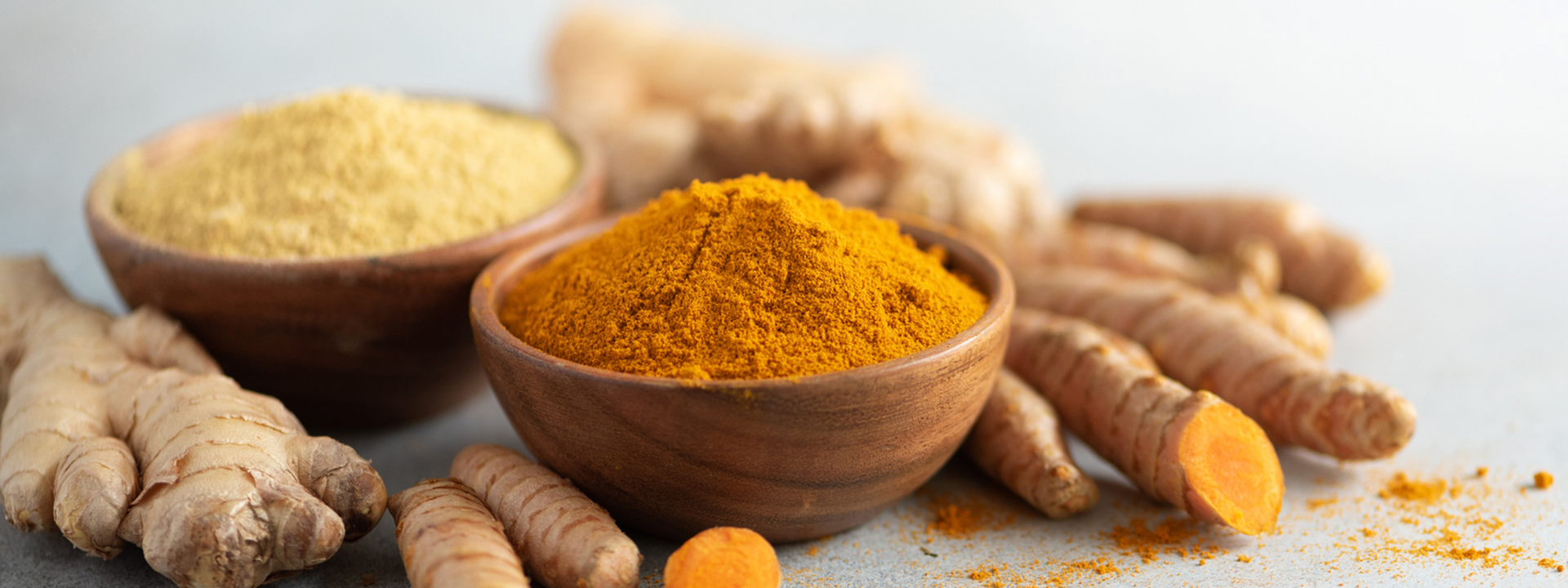
A. Turmeric, a spice, is used in traditional Indian (Ayurveda) and Chinese medicine for the relief of pain and inflammation.
Its active component is curcumin (sometimes called curcuminoids). Clinical trials have been too few and too small in size to tell us if it actually works.
We don't know how much you need to take or how often to see an effect. Curcumin is not easily absorbed, so supplements often contain high doses that you may or may not be able to make use of. Although, few side effects are associated with curcumin, it can react with other medications, so speak to a pharmacist or your GP before starting any supplement.
About Angie JeffersonRegistered Dietitian and Registered Nutritionist, Angie Jefferson BSc Hons is a member of The Association of UK Dietitians. She offers on-demand workshops on a wide range of diet and lifestyle issues such as the menopause, eating well and employee health. |

Are there any foods that help with arthritis?
Many anti-inflammatory foods have been said to help with arthritis or have anti-inflammatory effects. Research has shown that following a Mediterranean-style diet is helpful for people with some types of arthritis.
More on turmeric
-
Turmeric
Turmeric is believed to have anti-inflammatory properties. Learn its uses and side-effects when treating osteoarthritis.
-
All about turmeric
Discover the health benefits of turmeric and it's potential for relieving pain, with an in-depth look into the research and how it's absorbed into the body.
-
Diet and nutritional supplements
Diet changes and additional nutrients from food supplements can help people with inflammatory arthritis and osteoarthritis. Learn their uses and side-effects.