
Andy's story: Chronic pain, delayed care, and a system that falls short
Navigating challenges of the support system
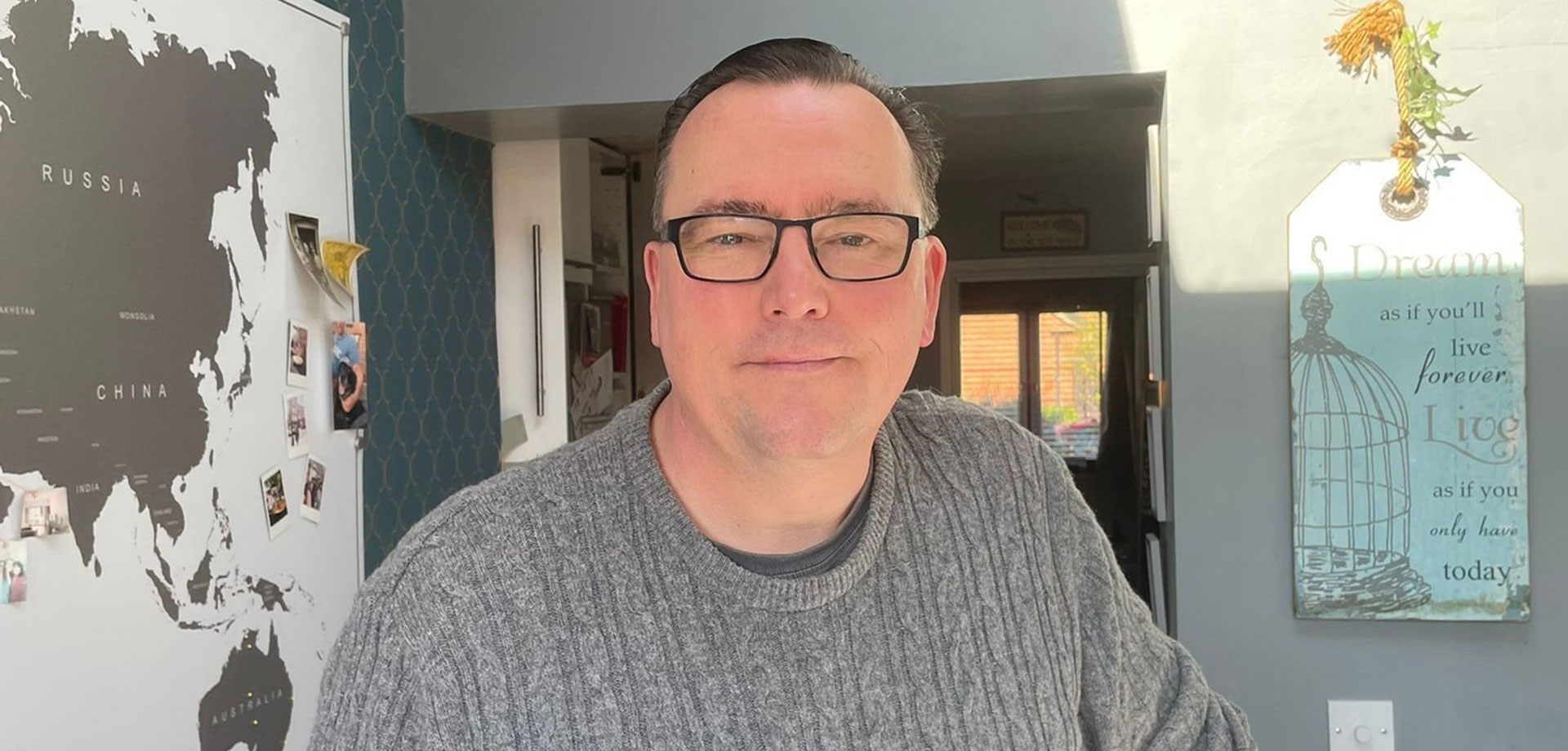
Andy Dyble, 56, from Norfolk, has suffered with widespread osteoarthritis, and other conditions, for over 40 years. He says that living with a long-term, degenerative condition has given him a clear understanding of the physical and mental challenges patients face and the shortcomings of the system designed to support them.
Early signs and a lifetime of being “too young”
When I was 12 or 13 years old, I first noticed that my knees didn’t feel right. By the time I was 18/19 years old, I had bilateral arthroscopies on them as both kneecaps looked like the part of a grater that you use to take the rind off of a lemon.
By the time I was 27, I was being told that I had knees of a 60-year-old but there was nothing that could be done as I was “too young” other than to keep taking anti-inflammatory drugs. This was “okay” for a few years and I guess I just went along with it because you tend to believe and are led by the medical professionals.
A few years later, when I turned 40, things started to go downhill rapidly but was still told that I was too young and it was only through constant “pushing” and the fact that I could barely walk that at 48 I had my first knee replacement (which has been brilliant).
Since then, I have had the other knee replaced and both my hips and am currently listed for spinal fusion (more of that later on) and am discussing my shoulders with a view to them being replaced. I also have cervical spondylosis and problems in my wrists, hand, elbows, feet and ankles but who's counting! These replacements don’t last forever so a pathway/treatment plan is needed. I’m sure not just for myself as there must be others in a similar position but all I constantly hear is “which bit hurts the most”.
Healthcare delays and their real-life consequences
I’ve experienced first-hand how delays in the healthcare system directly affect a person’s ability to work and, consequently, their reliance on benefits. In December 2023, I paid for a private consultation for back pain and told spinal fusion was likely. A year later, I had a follow up appointment on the NHS and an MRI but the appointment to discuss results wasn’t until April.
I had to push for a SPEC-CT scan which I didn’t get until August and was finally seen and put on the list for spinal fusion last October. Even though the average wait time is 23 weeks at my local hospital, I have recently been told my surgery won’t happen before July. I understand the NHS is under immense pressure but these delays have a real impact on people’s lives.
Many people like me are caught in the middle of this disconnect between healthcare delays and the benefits process, unable to work due to untreated medical issues but penalised by a benefits system that doesn’t take those delays into account.
I can’t work now, I can’t sit or stand for very long, I want to contribute to society but the system doesn’t allow it.
The benefits system: dehumanising and disconnected
I applied for PIP a few years ago, filled in a form and waited weeks before getting a call from someone, who I believe isn’t trained in my condition or has lived experience and has no idea what arthritis is like for people on a daily basis.
The questions asked are, in my opinion, misleading and in part not relevant to my condition. Yes, I can prepare a meal but tend not to (my wife does the vast majority of the meal prep) as it causes enormous pain, but like many other people, I try and get on with it.
The questions are also demeaning. Why on earth would I want to talk to a complete stranger about my washing and toileting problems when this information could be gleaned from medical notes? What other choice do we have but when we do and are honest the system downgrades you.
I was declined at first then appealed and now get the lower daily allowance part. I have subsequently been signed off work with Limited capability and claim ESA but because I do, we can’t get Mortgage Interest relief even though it is a loan that would be repaid if we ever sold our house. Please don’t get me started on Universal Credit!
I am an individual who should be treated as an individual and my wife is too busy earning the relatively small amount that she does to have to take time out of her day/week to jump through the hoops that are asked.
The UK’s Social Contract is an “implicit, post-war agreement where citizens pay taxes and follow rules in exchange for security, a strong welfare state and rising living standards” but I think 95% of people would say that is not the case and it impacts outlook, views and mental health.
I’m definitely not as happy-go-lucky as I used to be and that’s down to my physical condition impacting my mental health and my financial situation.
We are lucky that we actually own our home with some equity but I shouldn’t have to sell my house because successive governments haven’t got the system right.
When you apply for PIP and other benefits, there are so many questions and they don’t take individual circumstances into account, why can’t DWP staff be located in hospitals so they have access to consultants, occupational therapists, nurses, x-rays and reports etc. and can see people face to face.
"You have to completely lay yourself bare and then they dismiss you. I can understand why some people don’t appeal, why they give up."
You shouldn’t have to put your private business out there to get help, nobody should have to answer questions about toileting. I’m robust but there will be people out there too embarrassed to tell the truth and will therefore be penalised for it.
I do welcome the Timms review but it needs to be a comprehensive review of the entire system looking at fairness, accessibility and the wider pathway of care and treatment because, as it stands, those needing support are placed, in my view unfairly, under excessive scrutiny.
Find out about
-
While waiting for treatment
If you're waiting for appointments, surgery and treatments, we have the resources, information and support you need.
-
Lower NHS waiting lists welcome but long road ahead, warns Arthritis UK
NHS England reports a slight dip in Trauma and Orthopaedic waiting lists, but Arthritis UK warns of ongoing challenges as thousands remain in pain.
-
Our 5 Priorities for the Government
Be part of the change you want to see! Help us to ensure that arthritis is a priority for the UK Government.
-
Financial support for people with arthritis
Find out what financial support is available to you if you have arthritis, including the mobility scheme, benefits, loans and credits.