
Arthritis UK Cymru Senedd election manifesto
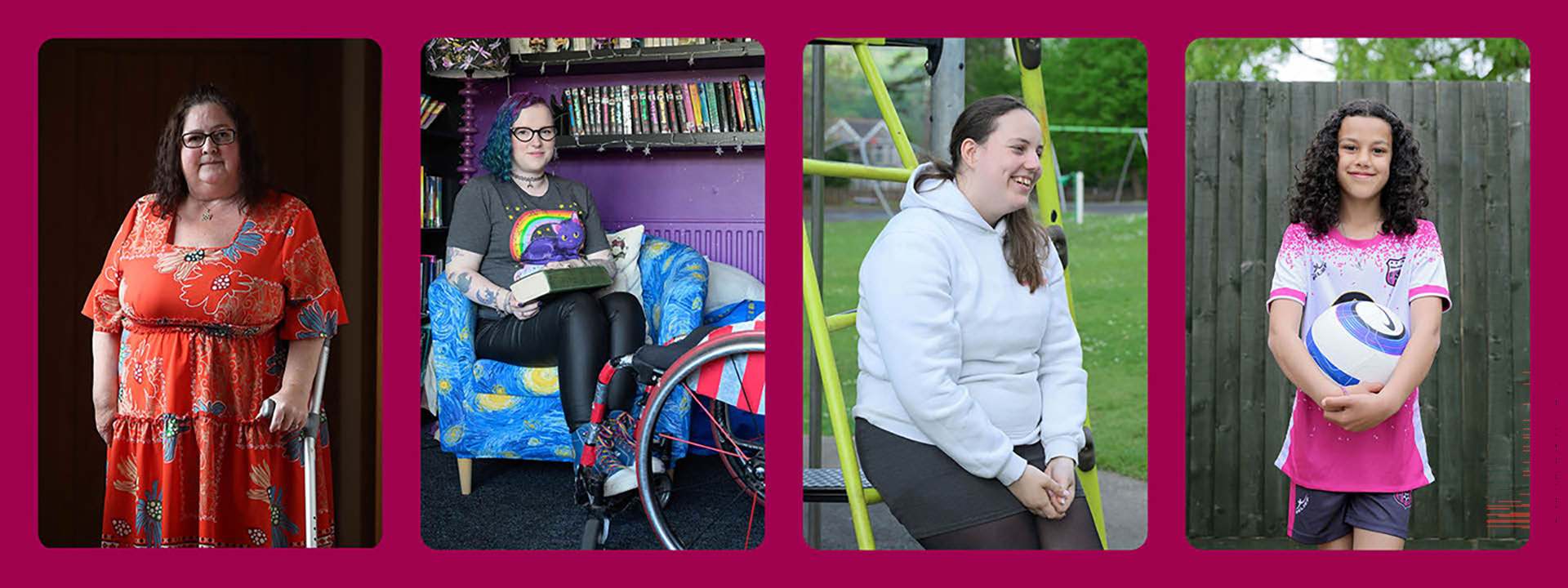
No Life Left On Hold: A call for action in the next Senedd
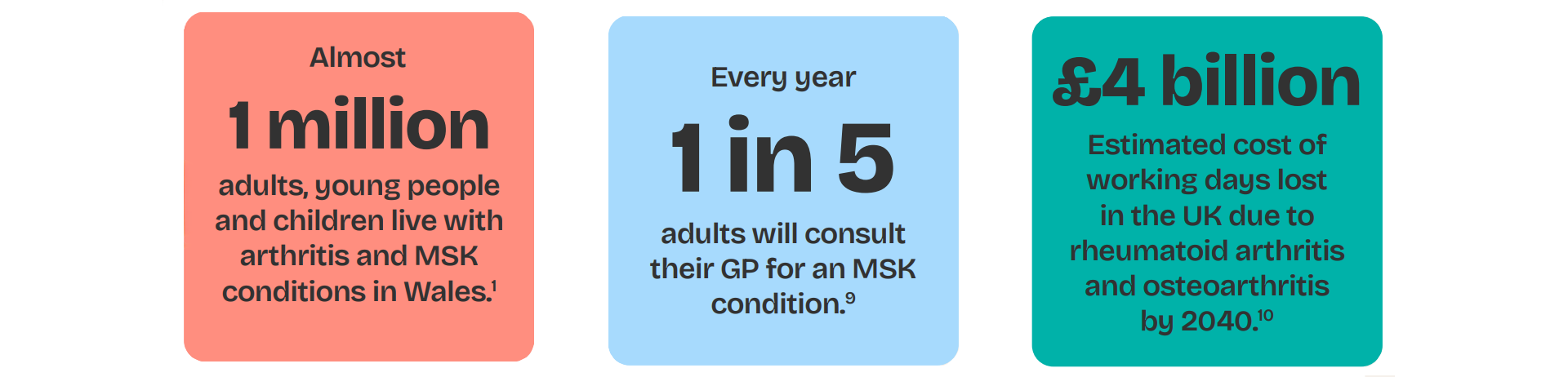
991,000 reasons to make arthritis and musculoskeletal (MSK) conditions a national priority.
Hundreds of thousands of people across Wales wake up to the pain of arthritis every day. So many tell us that they feel their life is on hold as they manage their way through the challenges of living with arthritis.
Conditions like osteoarthritis and rheumatoid arthritis can affect every aspect of life, limiting a person’s ability to work, learn, socialise, and live life to the full. That impact ripples outwards, affecting families, straining our NHS, and hindering our economy.
With 991,000 people living with musculoskeletal conditions such as arthritis in Wales, it’s not surprising they are among the biggest causes of long-term pain, disability and working days lost.
The good news is that the impact of arthritis can be reduced. Prevention, early diagnosis, proactive early interventions, supported self management, and timely access to support, information and treatment can transform quality of life.
This manifesto is a call to action to make arthritis the national public health priority its impact demands – to transform the management of arthritis in Wales, improve the MSK health of the nation and reduce the strain of arthritis on the NHS and our economy.
Our 2021 Manifesto calls helped create positive change. In Wales, a National MSK Clinical Lead role was established for the first time, which led to the development of a National Strategic Clinical MSK Network and a Wales-wide strategy for MSK conditions. These important building blocks for change need to be maintained and developed in the Seventh Senedd to transform our approach to arthritis moving forward.
Arthritis affects too many lives, too profoundly in Wales for it not to be a national public health priority. By working together, we can reduce the impact of arthritis and ensure that no life is left on hold due to arthritis in the future.

‘‘We need more opportunities to bring young people with arthritis together.’’
I once had a teacher say: “You don’t have arthritis, that’s something old people get – if you’re going to fake something, at least make it realistic”. I just went to the corner and sobbed. We need better education for teachers, so other people don’t have to go through that.
Holly, 16, Aberdare
Our calls
Our manifesto sets out actions for the next Welsh Government.
By implementing these calls, we can reduce the impact of arthritis and MSK conditions on individuals, health and care systems, and the wider economy, supporting people to manage their symptoms, maintain independence and improve quality of life now and for future generations.
Call 1: Take decisive action to reduce orthopaedic waiting times and clear the backlog
Waiting times for orthopaedic services remain far too long across Wales. So many lives have been put on hold as thousands of people wait over 18 months in severe, worsening pain for treatment.
Many people are losing their mobility, independence and ability to work as they wait for surgery. Physical and mental health is often significantly affected as people wait. We are calling for the Welsh Government in the Seventh Senedd to seize the opportunities of an expanded cabinet to create a new Minister for Healthcare Access role to put cutting NHS waits at the heart of the government’s agenda.
The role would champion our calls to:
- Develop regional and national capacity action plans to ensure provision meets demand through surgical hubs.
- Action ambitious new waiting times targets.
- Build on the work of the National Clinical Strategy for Orthopaedic Surgery (NCSOS) and the work of the Wales Orthopaedic and Clinical Implementation Networks to develop resilient, consistent, high-quality elective orthopaedic services across Wales.
Call 1 policy actions
Take decisive action to reduce orthopaedic waiting times and clear the backlog.
With thousands of people losing their mobility, independence and ability to work as they wait for orthopaedic surgery, clearing the backlog needs to be a national priority.
- Appoint a Minister for Healthcare Access.
Seize the opportunity of an expanded cabinet (17 members from May 2026) to establish a dedicated ministerial role with a clear mandate and responsibility to drive down waiting times to pre-pandemic levels within a Senedd term (by 2030). Alongside transforming arthritis and MSK care, this would improve access and outcomes for people with other long-term conditions. - Transform orthopaedic provision through surgical hubs.
Develop regional and national capacity action plans to identify workforce and facilities requirements to meet current and projected demand through an expanded network of local and regional surgical hubs. - Develop ambitious new waiting times targets and improve waiting times data.
- Commit to clear one-year waits within 18 months of the election and to return to pre-pandemic levels by 2030. Explore all avenues to clear the backlog and reduce waits as soon as possible, including cross-border working and greater regional working.
- Start the waiting times ‘Referral to Treatment’ (RTT) clock from GP referral rather than the current start point at referral from triage (Clinical Musculoskeletal Assessment and Treatment Service (CMATS)) and provide more detailed waiting times information to patients, including sub-speciality data. - Develop national guidance for access to surgery.
To ensure early perioperative/prehabilitation health optimisation and ‘waiting well’ support, and to avoid inconsistent and unevidenced barriers to surgery such as Body Mass Index (BMI) threshold policies.
"Patients waiting for orthopaedic surgery are often in severe pain, have reduced or lost their mobility and independence, and are often unable to care for others. The backlog and waiting times for orthopaedic treatment must be reduced.’’
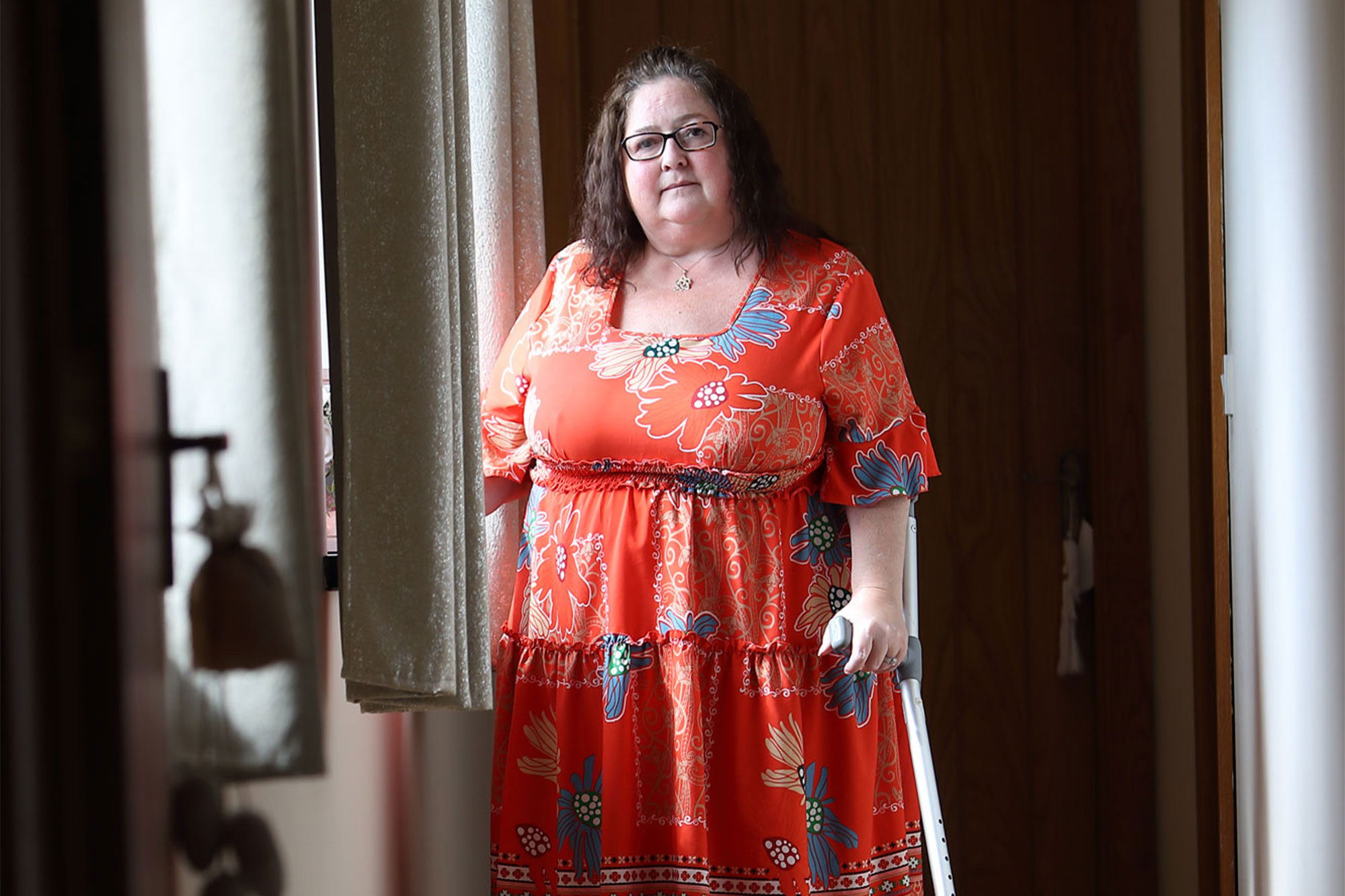
‘It takes such a long time to get anywhere. Meanwhile, things get worse and worse.’’
I was put on a waiting list in 2022, but didn’t get my first shoulder replacement until October 2024 and my second until August 2025. I’m still waiting for surgery on my right wrist. My other wrist is starting to change, so I’m waiting for an appointment to look at it, and I’m also waiting to be referred to an ankle specialist.
Tina, 54, Ferryside
Call 2: Make musculoskeletal (MSK) conditions a national public health priority to improve MSK health in Wales
MSK conditions affect 991,000 people in Wales and are among the biggest cause of persistent pain, disability and working days lost. With an ageing society, this impact is set to increase.
As a nation, we cannot afford to delay tackling arthritis. We need a renewed focus on prevention to reduce the burden of arthritis on future generations. We also need to ensure that the way arthritis is managed is optimised to provide efficient, holistic health services that work in partnership with individuals living with arthritis.
Early diagnoses, proactive early interventions, information and support to self-manage and timely access to treatment can reduce the impact of arthritis and make a huge difference to quality of life, maximising people’s independence, ability to work and to live life to the full.
New MSK-focussed roles and policy bodies within NHS Wales, such as the new National MSK Clinical Lead role and National MSK Network, could provide an unprecedented opportunity to transform arthritis and MSK health and care in Wales. The Seventh Senedd needs to ensure these opportunities are maintained and supported to ensure real change in service delivery and in people’s lives.
People with arthritis are 20% less likely to be in work than someone without arthritis.
Call 2 policy actions
Make arthritis and MSK conditions a national public health priority to improve MSK health in Wales. MSK conditions are among the biggest causes of persistent pain and disability, and this is likely to get worse with an ageing population. It’s time MSK health becomes the national policy priority its impact demands.
- Protect and support the National MSK Strategic Clinical Network to implement the National MSK Framework/Strategy:
- Ensure that appropriate national MSK clinical leadership remains in place.
- Develop Wales-wide pathways of care and service specifications as well as a prevention strategy to improve:
- Early diagnosis and early proactive intervention to aid self-management and keep people active.
- Holistic long-term management, supported self-management and patient education, including innovative digital solutions.
- Timely access to specialist treatment, including speeding up access to specialist care for suspected inflammatory arthritis to meet NICE guidance and improve access to support during a flare-up.
- Wider participation in research trials. - Assess MSK services workforce and capacity needs to meet current and projected demand across the whole system, including primary care, rheumatology, pain services and bone health services.
- Implement the National Multiprofessional MSK Capability Framework.
Deliver an implementation plan to ensure Healthcare Professionals who support people with arthritis and MSK conditions have the skills and knowledge to provide high-quality, joined-up care.
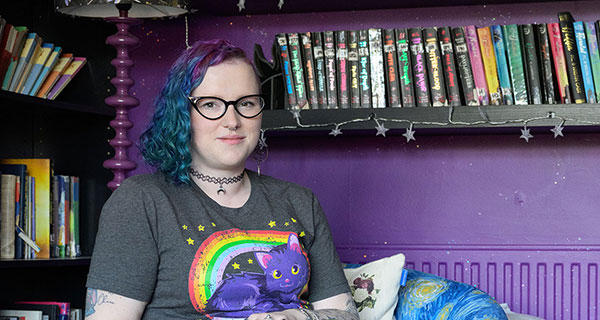
‘‘I have been in pain every day of my life since I was 2.’’
I have felt my bones grinding on each other, feeling like there are stones in my joints. It’s like I’m drowning in treacle... In Wales, it feels like it’s either one extreme or the other: sometimes support and information is very good, but a lot of the time it’s not there at all.
Heather, 28, Welshpool
Call 3: Develop better support for children and young people living with arthritis and MSK conditions
MSK conditions can strike at any age, with 588,000 children and young people (under 19 years) living with an MSK condition in the UK, including 31,000 in Wales. At least 10,000 children (under 16 years) live with juvenile idiopathic arthritis (JIA) across the UK.
MSK conditions like arthritis can be devastating at any age, but it can present a unique set of challenges for children and young people.
A group of young people (12 to 18 years old) with MSK conditions recently told us about their priorities for the next Senedd.
Key themes emerged:
- The need to raise awareness and understanding.
- The importance of early diagnosis.
- Holistic care and mental health support.
- More support with education.
- Equity of access to specialist health and care.
According to a survey conducted in the UK in 2022, 59% of children and young people with JIA had received, were currently receiving or were waiting for mental health support.
Call 3 policy actions
Develop better support for children and young people living with arthritis and MSK conditions.
To live and learn well, young people with MSK conditions need timely access to specialist healthcare and tailored support with education no matter where in Wales they live.
- Ensure equitable access to high-quality paediatric rheumatology and MSK services provision across Wales.
- Review current provision of paediatric rheumatology and MSK services in North and Mid Wales to ensure equity of access to high-quality services across the nation (South Wales has a full paediatric rheumatology service).
- Each Health Board should have a lead clinician within its paediatric services to link with a specialist paediatric rheumatology and MSK service.
- Each Health Board should have a lead clinician for younger adults and transition within its adult rheumatology services, to ensure their unique needs are met. - Improve support in education for children and young people with arthritis and MSK conditions.
Ensure the planned review of existing guidance to support learners with healthcare needs (published 2017) is actioned, informed by the views of young people, and facilitates improved support and wider access to Individual Healthcare Plans (IHPs). - Raise awareness and understanding of the impact of arthritis on young lives.
Members of the Senedd should meet with a young person with arthritis or MSK condition to better understand their experience of living with a long-term condition at a young age. Arthritis UK Cymru will hold events at the Senedd to support this aim.

"It’s hard being a kid. But it’s harder being a kid with arthritis"
It’s really tough sometimes trying to fit in with friends and other children when you’re not feeling well or in regular pain. I’m not always able to play games because I sometimes feel tired and have pain in my legs... And sometimes I have to remind teachers of my condition.
Imaani, 11, Cefn Hengoed
Our ask of you
If elected, be a champion in the Senedd for people with arthritis
As a future Member of the Senedd (MS), we ask you to be a voice for people with arthritis and MSK conditions, and to help make Wales a country where we can all thrive.
Arthritis is often called a ‘hidden’ condition because its affects aren’t always visible. Your constituents need their MSs to champion high-quality MSK healthcare in your region so they can easily access the services they need. By working together, we can make a difference
to the lives of thousands of your constituents living with arthritis.
Support our calls and raise awareness
Drive service improvement and make arthritis more visible by championing our calls. Engage with your constituents with arthritis to understand the challenges they face, and work with Arthritis UK Cymru to push for better MSK services and awareness of the impact of arthritis, ensuring arthritis becomes the national public priority its impact demands.
Work with us
We are an experienced public policy team supported by our research community and can help you with policy development and scrutiny.
Our campaigning ethos is not just to highlight issues, but to help develop and deliver solutions. We’re committed to working constructively with the next Welsh Government, MSs, NHS Wales and other stakeholders, to improve prevention, diagnosis, treatment and support for everyone affected by arthritis.
Signpost to us
Our services include self-management resources, local support groups, an online community and free Helpline: 0800 5200 520. Please signpost constituents to us at arthritis-uk.org
Let’s work together to ensure people with arthritis in Wales can live more active, and less painful lives.
Sign our pledge
If elected, work with us to bring about change for people with arthritis and champion our calls in the Senedd.
Sign our pledge before the election to show your support on
Facebook: /ArthritisUKCymru
X: @CymruArthritis
Reach out to us
Together, we can make sure that no life is left on hold in Wales. Email Hywel Evans, Policy and Engagement Manager, Arthritis UK Cymru: cymru@arthritis-uk.org
About arthritis and MSK conditions
Arthritis refers to painful, stiff, or restricted joints.
These symptoms are common in conditions that cause joint damage or inflammation, including osteoarthritis, autoimmune inflammatory forms of arthritis (such as axial spondyloarthritis, psoriatic arthritis and rheumatoid arthritis), crystal arthritis (such as gout), or as a symptom of inflammatory connective tissue diseases (such as lupus).
Arthritis is also used as an umbrella term for a range of conditions where arthritis is their main symptom. Although there’s no cure for arthritis, treatments have improved greatly in recent years and, for many types of arthritis (particularly inflammatory arthritis), there’s a clear benefit in starting treatment at an early stage.
Musculoskeletal (MSK) conditions are problems with the muscles, bones, joints and adjacent connective tissues.
Arthritis and MSK conditions can impact every aspect of life and are among the biggest causes of persistent pain, disability and working days lost.
They can reduce mobility (ability to move around) and dexterity (ability to use your hands). They can reduce your independence and affect your ability to work, socialise and travel. They can also affect your emotional and mental health. Arthritis is often regarded as a ‘hidden’ condition due to the nature of its symptoms. Arthritis and MSK conditions can strike at any age. There are currently around 31,000 children in Wales with an MSK condition and 600,000 across the UK.
References
10. York Health Economics. The Cost of Arthritis: Calculation conducted on behalf of Arthritis Research UK. Unpublished. 2017.
Download 'No Life Left On Hold' in English as a PDF
Download 'No Life Left On Hold' the Arthritis UK Cymru manifesto in English as a PDF.
Arthritis UK Cymru manifesto in EnglishDownload 'No Life Left On Hold' in Welsh as a PDF
Download 'No Life Left On Hold' the Arthritis UK Cymru manifesto in Welsh as a PDF.
Arthritis UK manifesto in WelshMore on the impact of arthritis and MSK conditions
-
The State of Musculoskeletal Health
The State of Musculoskeletal Health is a collection of the most up-to-date, UK-wide statistics on arthritis and other MSK conditions.
-
Left Waiting, Left Behind: The Reality of Living with Arthritis report
Based on a survey of almost 8,000 people's lived experience, this report presents in-depth insights into the personal and financial cost of living with arthritis and policy recommendations.