
Arthritis UK Scottish Parliament Election manifesto
Act Now for Arthritis: Building a Healthier Scotland
Arthritis and other MSK conditions affect 1.7 million people in Scotland, including 48,000 children and young people – yet they remain invisible in national health planning.
Despite being one of the top five Burdens of Disease, arthritis and other MSK conditions have no strategy, no coordinating leadership, and insufficient investment. That must change.
This manifesto sets out a clear and achievable approach to turning awareness into action. It calls for a national MSK Action Plan, clinical
leadership within the NHS, and a relentless focus on orthopaedic waiting times. These are not abstract policy asks – they are urgent priorities for the next Parliament.
People living with arthritis are being let down. They can wait years for diagnosis, struggle to access treatment, and face barriers to independence. They are also 20% less likely to be in work than someone without arthritis.
In Scotland’s poorest communities, the impact is even greater, with people twice as likely to report an MSK condition as those in the most
affluent – the highest disparity anywhere in the UK. Arthritis is a public health issue, an equality issue, and a workforce issue.
Future Members of the Scottish Parliament have the opportunity, and duty, to change this. By committing to the actions in this manifesto, you can help build a healthier Scotland where no one is held back because of arthritis. We must act now to create a future Scotland free from arthritis, where everyone can live the life they choose.
The picture in Scotland today
One in three. That’s an important figure when it comes to talking about MSK conditions in Scotland.
One in three people live with an MSK condition such as arthritis.
One in three report that their condition severely or very severely impacts their life.
One in three people diagnosed with rheumatoid arthritis on day one of the new Scottish Parliament will have been forced out of work by the end of that same parliament due to their condition.
A recent survey commissioned by Arthritis UK and carried out by YouGov surveyed 7,928 people living with arthritis in the UK, of which 1,021 were from Scotland. The results revealed a deeply shocking reality demanding urgent action.
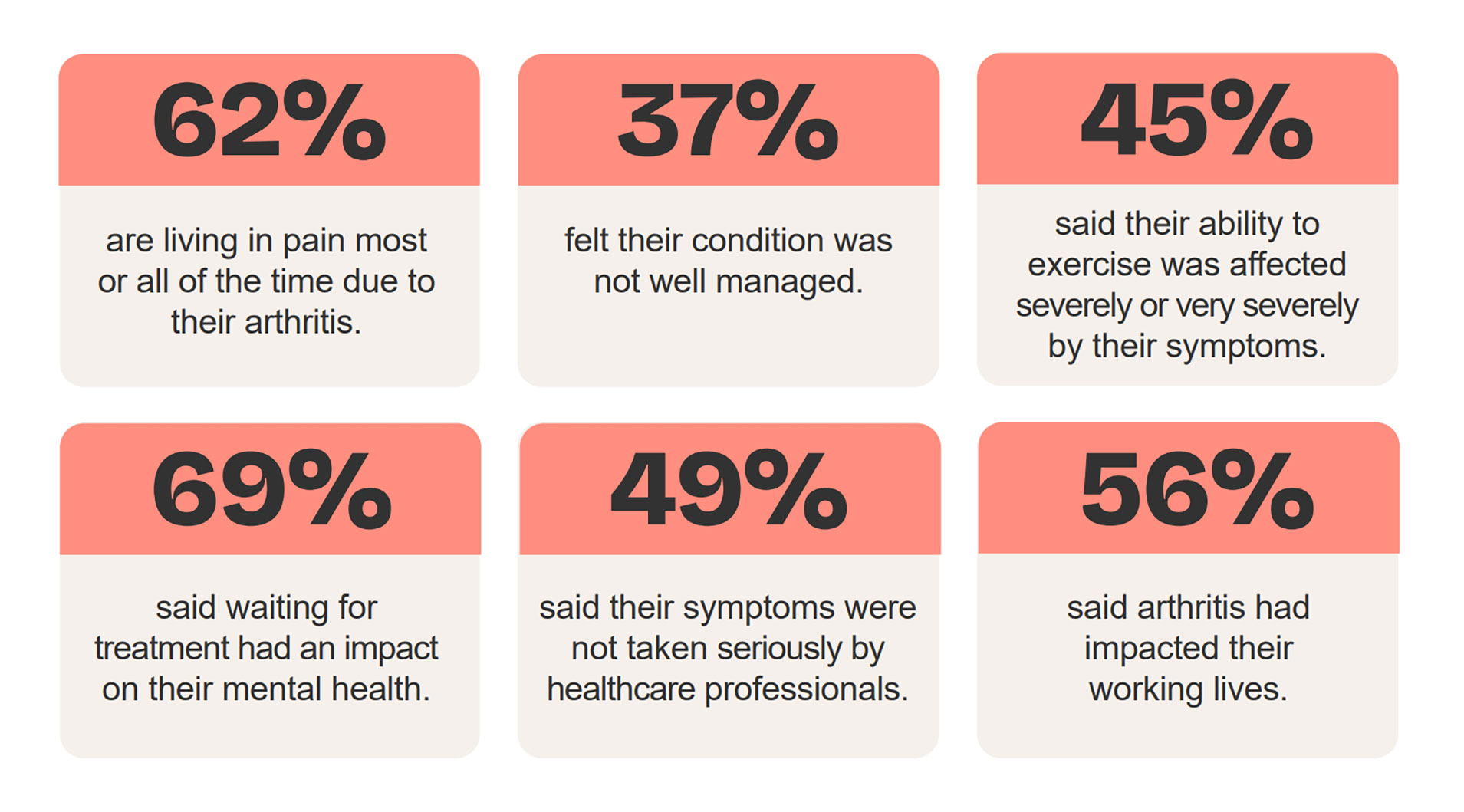
Behind every data point is a person
These numbers represent real Scots with real hopes and dreams. So, as you reflect on these findings and Arthritis UK Scotland’s calls to action, keep in mind those affected. Because by working together, we have a chance not just to change
policy, but to transform lives

‘‘There is no escaping the reality of arthritis.’’
It feels like rheumatology departments are overwhelmed by the number of patients they have, with most of my appointments
being a rushed phone call. To me, making arthritis a priority would mean the ability to properly build a working relationship with my healthcare professionals.
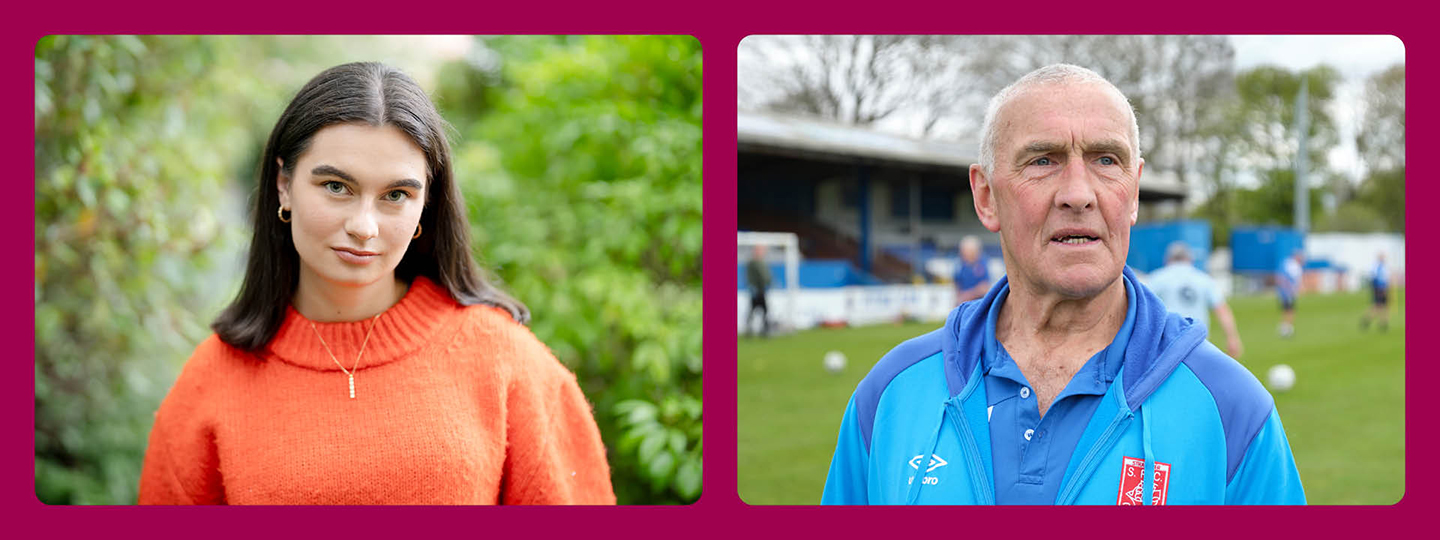
Amy, 22, Dundee
Our calls
Despite their scale and impact, MSK conditions like arthritis are not a priority in Scotland, and people living with these conditions are being badly let down. We are calling on all political parties to support action to make arthritis a priority.
Call 1
Make arthritis and musculoskeletal (MSK) conditions a public health and policy priority in Scotland.
Improve MSK services and MSK health in Scotland by developing and implementing a national MSK Action Plan and strengthening MSK clinical leadership, nationally and locally.
Call 1 policy actions
1.7 million people in Scotland – that’s one in three Scots – live with arthritis and other MSK conditions, but there is no plan to tackle this. In fact, there’s never been a plan. This needs to change.
- Prioritise arthritis and MSK health in the Scottish Government’s approach to long-term conditions.
This must be led by a new partnership of government, clinicians, researchers and the third sector alongside people living with arthritis and other MSK conditions. And it should lead to sustainable, community-driven improvement in health outcomes and a fairer distribution of resources. - Establish new national MSK leadership.
The Scottish Government must build on existing formal and informal MSK networks to create a new national MSK clinical group. NHS Scotland must develop a programme to promote leadership in NHS boards, ensuring MSK representation and driving NHS reform. - Embed the MSK workforce in long-term service renewal.
The MSK workforce must be embedded in collaborative, multi-year service change plans, as set out in the Service Renewal Framework. This must include a sustained focus on developing community rehabilitation services, tackling waiting times for services like physiotherapy, and maximising opportunities for secondary prevention. It must also ensure a coordinated approach across NHS services, local authorities and the third sector, so people are better supported to wait well while awaiting treatment.
“Conditions that are major contributors to the burden of disease, but which happen not to have a strategy, receive less resource than conditions which have a framework or action plan”
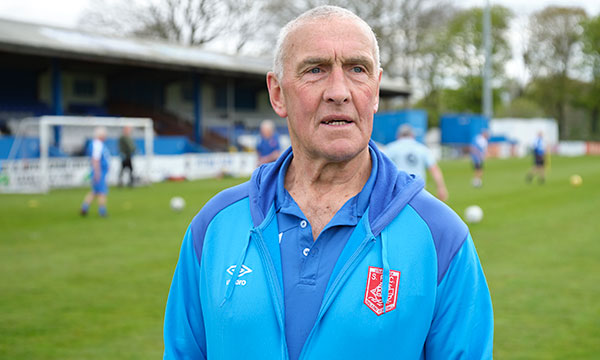
‘‘The wait was hellish."
I was diagnosed in 2020, then waited two and a half years for an appointment, and then was finally put on the waiting list for knee replacement surgery. My first was done in November 2023, and my second in August 2024. The wait was hellish at times. It was like someone was hitting my knees with a mash hammer.
Bobby, 75, Stranraer
Call 2
Commit to a relentless focus on tackling orthopaedic waiting times.
Clear the backlog and end the wait for thousands of people in the lifetime of the next parliament by committing to a five-year plan and multi-year funding to build on progress made in recent years.
Call 2 policy actions
Commit to a relentless focus on tackling orthopaedic waiting times.
Delays in orthopaedic surgery have a significant impact on people’s quality of life. People living in the least affluent areas of Scotland are impacted most. Recent investment has brought about real improvements, particularly in relation to long waits, but this needs to be sustained with a renewed commitment in the new parliament.
- The 2026 Programme for Government must commit to sustained investment to tackle the orthopaedic backlog.
Over £130 million has been invested in tackling waiting times over the past year, which has helped make a difference, particularly in relation to longer waits. But parts of Scotland continue to lose out and demand continues to grow. Capacity must be maintained, expanded and evenly distributed over the next five years to ensure lasting improvement. - The Scottish Government must commit to a clinician-led Orthopaedic Recovery Plan which optimises NHS Board capacity alongside National Treatment Centres.
It’s time for a national delivery plan to tackle the orthopaedic waiting list. Arthritis UK Scotland has been calling for this since the NHS Recovery Plan in 2021. A public-facing plan creates a clear mechanism for holding the government to account by setting out how its targets will be met. - The Scottish Government and NHS Scotland must ensure that access to surgery is based on clinical need. And to adhere to national guidance, Health Boards should review policies that unilaterally apply body mass index as eligibility criteria.
This action must include growing and monitoring local and national infrastructure to support patients to ‘wait well’.
Our ask of you
If elected, be a strong voice for people with arthritis in the Scottish Parliament
As a future member of the Scottish Parliament (MSP), you can be a voice for people with arthritis and MSK conditions. Be aware of the
impact of these conditions on your constituents. Recognise the need for a new approach to ensure that Scotland is a country where people
with arthritis can live the life they choose.
Arthritis is often called a ‘hidden’ condition because you can’t always see how it affects someone. Your constituents need their MSPs to champion high-quality MSK healthcare in your region so they can easily access the services they need. By working with Arthritis UK Scotland, you can make a difference to thousands of your constituents living with arthritis.
Support our calls and raise awareness
Drive service improvement and make arthritis more visible by championing our calls. Engage your constituents with arthritis to understand the challenges they face, and work with Arthritis UK Scotland to advocate for better MSK services in your constituency. A greater awareness of the impact of arthritis will ensure arthritis becomes the national public priority.
Work with us
We are an experienced public policy team supported by our research community and can help you with policy development and scrutiny.
Our campaigning ethos is not just to highlight issues, but to help develop and deliver solutions. We’re committed to working constructively with the next Scottish Government, MSPs, NHS Scotland and other stakeholders, to improve prevention, diagnosis, treatment and support for everyone affected by arthritis.
Signpost to us
Our services include self-management resources, local support groups, an online community and free Helpline: 0800 5200 520. Please signpost constituents to us at arthritis-uk.org
Let’s work together to ensure people with arthritis in Scotland can live more active, and less painful lives.
Arthritis UK Scotland can help you with your work in Parliament.
Email Scotland’s Policy and Influencing Team to start your conversation: publicaffairs@arthritis-uk.org
You can also connect with us on social media:
Facebook: /ArthritisUK
X: @ArthritisUKorg
About arthritis and MSK conditions
Arthritis refers to painful, stiff, or restricted joints.
These symptoms are common in conditions that cause joint damage or inflammation, including osteoarthritis, autoimmune inflammatory forms of arthritis (such as axial spondyloarthritis, psoriatic arthritis and rheumatoid arthritis), crystal arthritis (such as gout), or as a symptom of inflammatory connective tissue diseases (such as lupus).
Arthritis is also used as an umbrella term for a range of conditions where arthritis is their main symptom. Although there’s no cure for arthritis, treatments have improved greatly in recent years and, for many types of arthritis (particularly inflammatory arthritis), there’s a clear benefit in starting treatment at an early stage.
Musculoskeletal (MSK) conditions are problems with the muscles, bones, joints and adjacent connective tissues.
Arthritis and MSK conditions can impact every aspect of life and are among the biggest causes of persistent pain, disability and working days lost.
They can reduce mobility (ability to move around) and dexterity (ability to use your hands). They can reduce your independence and affect your ability to work, socialise and travel. They can also affect your emotional and mental health. Arthritis is often regarded as a ‘hidden’ condition due to the nature of its symptoms. Arthritis and MSK conditions can strike at any age. There are currently around 48,000 children and young people in Scotland with an MSK condition and 600,000 across the UK.
Download 'Act Now for Arthritis' as a PDF
Download 'Act Now for Arthritis' the Arthritis UK manifesto as a PDF.
Arthritis UK manifestoMore on the impact of arthritis and MSK conditions
-
The State of Musculoskeletal Health
The State of Musculoskeletal Health is a collection of the most up-to-date, UK-wide statistics on arthritis and other MSK conditions.
-
Left Waiting, Left Behind: The Reality of Living with Arthritis report
Based on a survey of almost 8,000 people's lived experience, this report presents in-depth insights into the personal and financial cost of living with arthritis and policy recommendations.